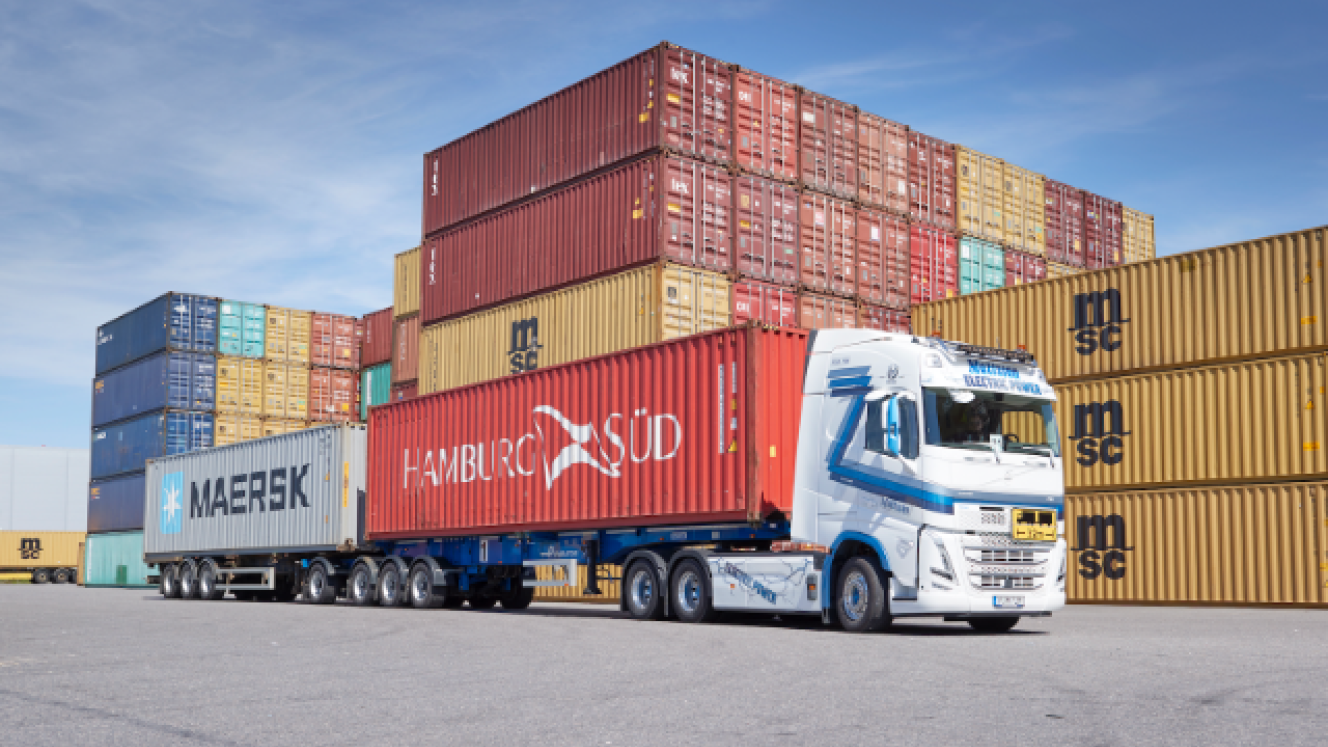
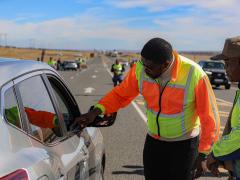
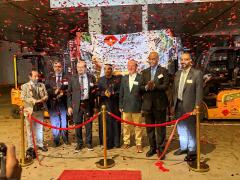
The SA Revenue Service (Sars) pilot scheme based at SACD Freight in Durban – aimed at a return to the old-style on-premises container inspections – has worked very smoothly in its first few weeks of operation, according to Lee Narsey, IT specialist at SACD. “The new procedure, with an on-site customs team, has greatly increased the number of inspections that customs have been able to attend to each day, compared to the couple of hours each morning they used to spend at the depot,” Narsey told FTW. “Also, they have direct wireless contact with the Sars service manager inspection system through their I-pads when based at SACD. “In terms of numbers, we’re certainly getting a faster turnaround.” Narsey said that the new initiative was also making SACD’s internal preparations for container inspections much easier. “Sars has been alerting us in advance so we’re able to make the appropriate arrangements – allowing us to place the containers in the appropriate parts of the warehouse, and to allocate in advance the necessary work teams for either an unpack/repack or a tailboard inspection,” he added. And that’s a rather crucial difference. The full unpack is a time-consuming, labourintensive operation, and has to be done in a secured facility. For these reasons a first level search is done only on high-risk or suspicious consignments. However Sars feels it is the most effective means of detection of contraband. The so-called tailboard inspection is when the container doors are opened for an examination of only the first one or two rows of goods. The contents of the rest of the container are not unloaded. It is estimated that only 3% of goods are physically inspected after being screened by tailboard inspections or random spot checks. The next step in the scheme is the roll-out to the plethora of other depots around the country. But this is not going to be an easy exercise – and there’s some debate about when this will actually take place. The major problem at depot level is the vastly varying sizes of each of them. There are the big depots that would make an in-house customs team a viable proposition – and all within spitting distance of each other. But, more widespread, are all the much smaller operations, and these hardly have the numbers to justify a customs team, nor the spare cash to finance premises and their services for the inspectors. That throws a problem at Sars. And along with that, according to members of the freight industry, is the relatively low skills-level of customs inspectors – which makes skills training in the wireless connectivity and equipment of the new initiative a vital concern for Sars. All of this makes planning for the roll-out a slow and necessarily complex issue, with all the problems having to be carefully worked out before a date for roll-out can de decided. This was revealed at last week’s Sars forum in Durban – a regular get-together with the freight industry, which is designed to sound out the various activities and problems at customs, and between them and sectors of the industry. INSERT The major problem at depot level is the vastly varying sizes of each of them.
Sars/SACD pilot scheme speeds up turnaround
Comments | 0
© Now Media. This content is protected by copyright and may not be adapted or republished. If you would like to discuss cooperation opportunities, please contact: editor@freightnews.co.za.