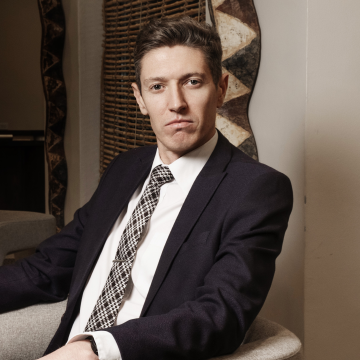
Ivan Heesom-Green speaks out THE ACQUISITION of P&O Nedlloyd by the AP Møller Maersk Group has raised questions about the future of Safmarine in the new operation. In this exclusive interview with FTW's Joy Orlek Safmarine CEO Ivan Heesom-Green speaks out about the line’s future. FTW: Where does Safmarine see itself in the new merged outfit? Will it survive as Safmarine and retain the name? SAF: For sure. Safmarine will complement other group activities as a separately managed shipowner, strengthening its name by achieving the growth objectives set out and fully endorsed by our shareholder. Safmarine has doubled in size since becoming a member of the AP Moller Maersk Group and will continue to invest in new tonnage and grow with our customer base into the future. Five new vessels have been delivered in the last 18 months and more than that number are currently on order for Safmarine. FTW: What is likely to happen with regard to the overlap in landside operations? SAF: For Safmarine it will be business as usual. Pending approval from the regulatory authorities in South Africa, the integration that will take place will involve Maersk Sealand and P&O Nedlloyd organisations together with Maersk Logistics and P&O Logistics. FTW: What about the overlap in inland haulage operations? SAF: The AP Moller Maersk Group currently owns two inland haulage companies – Roadwing and the recently acquired IDC. Should the merger be approved by the SA competition authorities, the Group will then look into the other SA inland subsidiaries owned by P&O Nedlloyd. As far as Safmarine is concerned we will continue offering our customers inland haulage solutions as normal. FTW: Do you see any significant cost savings from economies of scale and are these likely to be passed on to the customers? SAF: Yes, the main economies of scale will come through the more efficient use of the two lines’ vessel networks and fleet capacity as well as combining container pools, IT systems and procurement. Safmarine owns and operates vessels in the current group network and will continue to do so once the two shipping lines are integrated. The overall market conditions, supply and demand, continue to determine the level of market prices and then it is a matter of service and quality. FTW: Your response to the negative perceptions of shippers who see the merger creating a monopoly which benefits the line rather than its customers. SAF: Naturally we are listening to any concerns our customers might have. It also explains the actions undertaken with regard to the divestment of P&ONL’s Europe – SA trade. It is however disappointing as the combined lines would have had the ability to offer SA customers a second-to-none service on the Europe - SA trade. FTW: What percentage of the newly constituted SAECS (with the withdrawal of the PONL share) do you expect to hold? SAF: It will be the same as today i.e. where Safmarine and DAL (SAFDAL) have around half of SAECS, Maersk Sealand about a fifth, PONL just under a third. Safmarine will continue to honour the agreements signed and that includes SAECS. Safmarine looks forward to celebrating its sixtieth anniversary with customers and staff in 2006.
'Safmarine is here to stay'
Comments | 0
© Now Media. This content is protected by copyright and may not be adapted or republished. If you would like to discuss cooperation opportunities, please contact: editor@freightnews.co.za.