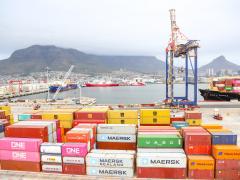
The growing West African oil, gas and mining industry presents major opportunity for South African companies. With an increased need for the supply of equipment and services from commencing exploration till the finished product hits the shelf, there are also still niche products moving into West Africa, according to Mark Day, MPV manager for Safmarine in South Africa. “However, the strong rand has affected the quantity of these shipments and other various commodities being exported, and until we see this trend change, exports will remain well below par,” he told FTW. Safmarine, he said, continues to serve shippers for cargo between South and West Africa with its monthly scheduled MPV services, deploying the 12000 DWT vessels Safmarine Onne and Safmarine Linyati. “On the southern Africa-West Africa route, base load cargoes such as bagged salt, cement, fertiliser, grit, soda ash and chemicals are supplemented by increasing demand from the oil and gas industry and suppliers of rolling stock machinery for the mining industry,” said Day. “In containers for the retail sector the picture is mixed, with shipments of anything from cars to printing material to canned and electrical goods. There is still also a steady flow of Aid cargo.” The normally buoyant northbound steel trade has however been flat for a number of reasons. Said one Safmarine customer who preferred to remain anonymous: “Over the past three years five mills in the Congo have shut down, which has seen a significant decrease in demand, compounded with the opening of several “minimills” in West Africa which have been using their own scrap steel supplies to produce rebars – a commodity which South Africa was exporting.” According to the customer, China, India and Brazil are now being seen as favourable suppliers to West Africa due to their competitive pricing, which has put South African producers under pressure. “In the past South Africa has grown when China has implemented its steel export tax. However the local demand in China is currently relatively low and the tax has been lowered. At some stage this will change with a corresponding impact on South African exports.”
SA steel producers under pressure from China, India and Brazil
Comments | 0
© Now Media. This content is protected by copyright and may not be adapted or republished. If you would like to discuss cooperation opportunities, please contact: editor@freightnews.co.za.