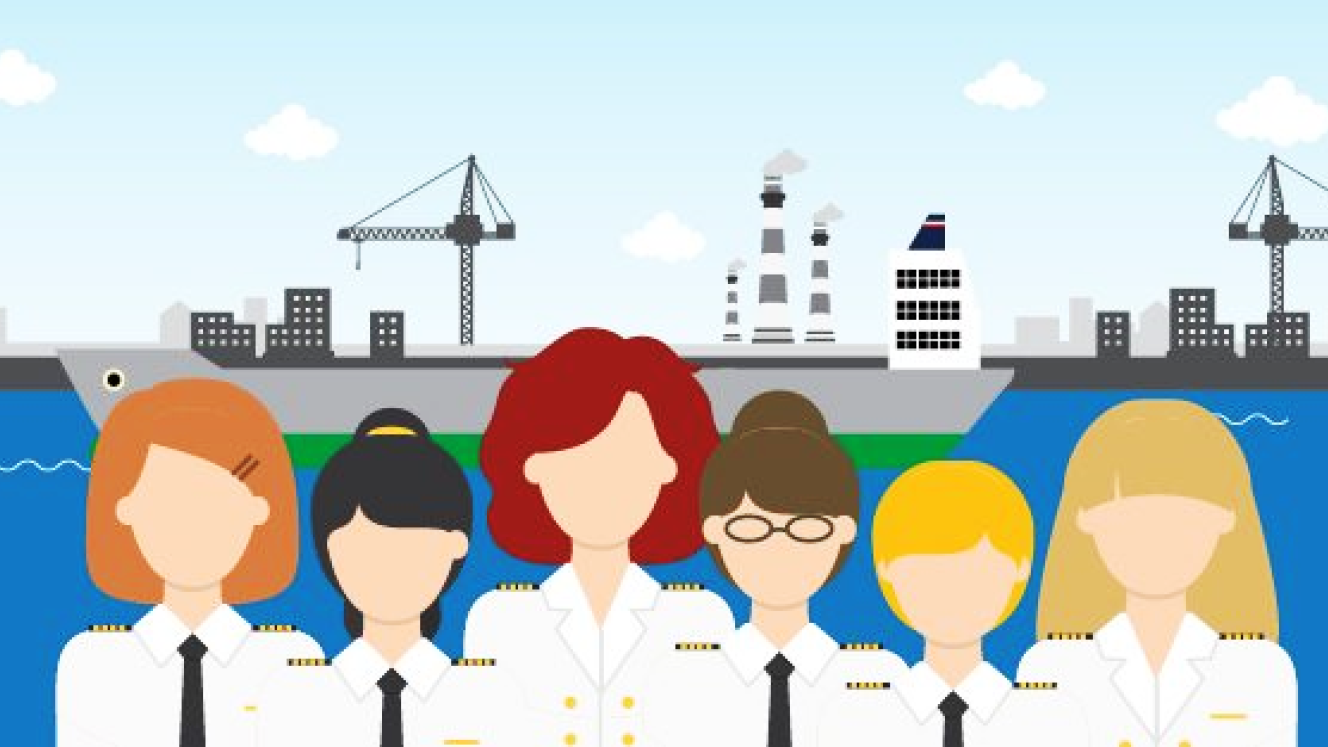
South Africa has produced a disproportionately low number of female Master Mariners according to the South African Maritime Safety Authority (Samsa).
The first three black female Master Mariners with unlimited licences graduated in the last three years.
Samsa Master Mariner, Thembela Taboshe, told FTW Online that one of the challenges was a shortage of berths for officers to obtain the seagoing experience needed to qualify.
As a result candidates are forced to opt for shore-based as opposed to sea-going work.
This challenge is exacerbated by the fact that South Africa does not have enough training vessels to accommodate the number of aspirant seafarers graduating from university.
“In order to sit in for a Master Mariner’s Class One certificate of competency (CoC), one must have served on vessels of a certain trade and size,” she said.
She noted that the international shipping industry was currently also suffering a deficit because vessel operators had cut back on crew costs as a savings measure in the wake of the ongoing pressure on rates.
“There’s also the reality that quite a majority of women that go out to sea are Transnet bursars and as a result follow the training prescribed by their employers, which would reduce the number of women who get to Master’s level qualification,” said Taboshe.
“To go from cadetship to possibly qualifying for a Master’s CoC, we’re looking at roughly 10 years and unfortunately not a lot make it past the five-year mark.”
She says one of the challenges for women looking to become Master Mariners in the country is the way maritime studies are designed.
They work on the ‘Technikon’ model where students attend classes for a year, go out to sea for a minimum of 12 months to gain work experience and then return to complete the advanced part of their diploma.
“Unfortunately, not everyone returns to class within the prescribed time, and when they do there’s a possibility that the sea time they have is no longer recognised, based on terms stated in the Merchant Shipping Regulations,” added Taboshe.
While most training programmes available concentrat on the entry point qualification – going from cadetship to qualifying as an officer – she said that agreements had been made with some shipping companies to take trainee officers on board their vessels.
However, Taboshe noted that shipping lines’ preferences seemed to lie in grooming students from cadetship and working with them through the ranks.
“On the production side, I do know that the academic programmes have now reverted to offering the diploma as a three-year in-class programme before going out to sea for work experience,” she added.
“This could buy us time before we’re met with the urgency of finding the next group of students’ berths to serve in.”