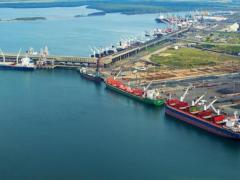
THE INTERNATIONAL Maritime Organisation has approved an Automatic Identification System (AIS) for all ships between 300 and not more than 50 000 gross tonnage built after January 1 2003. While this radio transceiver is aimed mainly at enhancing safety of navigation it is also focused on protecting each country’s waters. Benefits of AIS include more effective and efficient planning and use of port resources, and exchange of security and dangerous cargo information. Another security feature to counter terrorism lies in developing performance standards of seals required for all containers destined for the US. One option is expensive, higher technology, e-seals with the ability to track by satellite and protect containers thus further enhancing security. Recent threats of terrorist attacks imposed on the US have permanently changed the nature of global shipping business. “The imposed legal and more specifically programme initiatives to protect their ports creates a collection of implications on the functioning of the supply chain worldwide,” said P&O Nedlloyd’s Barry New. While the US is unlikely to conduct South African port assessments at this stage due to their lower volume status, New feels it is in the country’s interest to comply with the new measures speedily. (Durban ranks 63rd in world volumes to the US, Cape Town 79th and Port Elizabeth 101st). “If South African ports are perceived to be ‘safe’ the burden of inspection will be reduced on our transhipment ports preventing costly delays.”
‘SA ports must get their security acts into gear now’
Comments | 0
© Now Media. This content is protected by copyright and may not be adapted or republished. If you would like to discuss cooperation opportunities, please contact: editor@freightnews.co.za.