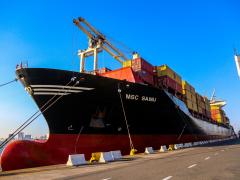
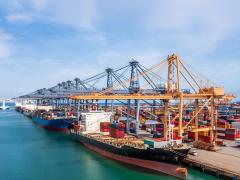
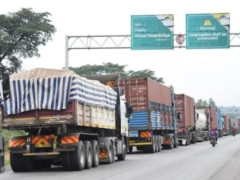
While new export markets are being developed for South African agriculture in Asia, the Middle East and Africa, Europe remains one of the most valuable export markets. According to Agricultural Business Chamber (Agbiz) chief economist Wandile Sihlobo, in the first quarter of 2026, the European Union (EU) was SA’s second-largest agricultural market after the African continent, accounting for 26% of exports. Grapes, apricots, cherries, peaches, plums, wine, apples, pears, dates, figs, pineapples, guavas, mangos, fruit juices, sugar, nuts and citrus juices were the main products exported to the EU. South African producers benefit from opposite growing seasons. Overall, SA agricultural exports increased by 11% in the first quarter of 2026 compared to the same period in 2025. Improved logistics is one of the main factors influencing the continuation of this growth and retention of the European market. Fresh produce relies on efficient cold chains from farms to ports and on to European distribution centres. Port delays or disrupted shipping schedules can quickly reduce product quality and commercial returns. Inefficiencies in the port of Cape Town – the preferred gateway for exports of table grapes, stone and pome fruit – had a major impact on exports in 2025. Europe and the United Kingdom accounted for 86% of South Africa’s total table grape exports in the 2025/2026 season. “What started as one of the best years in the table grape industry ended up as one of the most logistically and cost- intensive seasons. “Such inefficiencies provide a lesson that the South African agricultural sector needs to focus not only on widening export markets, but also on consistently working with Transnet to improve port efficiency,” comments Sihlobo in a blog. In its comment on the World Bank and S&P Global ranking of Cape Town at the bottom of the global list, Hortgro said: “For the fresh fruit export industry, Cape Town’s performance remains a strategic concern and continues to pose a significant risk to the fruit sector’s future viability and growth. “The port serves as South Africa’s primary export gateway for deciduous fruit, citrus and other agricultural products destined for international markets. Roughly 80% of deciduous fruit exports from South Africa are shipped from the Port of Cape Town. On the positive side, the organisation notes there has been improvement. “While the ranking is disappointing, with all South African ports among the worst performers globally, it is important to recognise that several ports recorded significant improvements during the reporting period. This demonstrates that progress is possible and that focused interventions can deliver meaningful results.” There is also a growing list of non-tariff barriers to the European market. South African citrus exporters have repeatedly faced EU compliance and pest-control requirements, including measures to manage false codling moth risks. ER
SA agriculture exports remain rooted in EU
Comments | 0
© Now Media. This content is protected by copyright and may not be adapted or republished. If you would like to discuss cooperation opportunities, please contact: editor@freightnews.co.za.