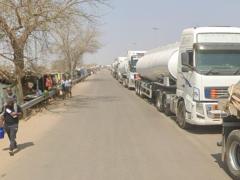
“It’s been a bumpy ride with plenty of highs and lows, but we like a good challenge and that is why Angola is our key focus,” says Hannes Rust of Namgola Logistics. Rust says road freight volumes into Angola fell drastically last year but are definitely on the rise again. It is however not an easy ride. “Some of the major challenges we face include delays at border posts, intricate documentary requirements, dreadful road conditions as well as cargo safety and security,” he says. Skilled personnel at all relevant border posts and other major points along the route help to overcome these challenges, says Rust. “Vehicles will stop at certain points so that cargo and documents can be checked before moving on to the next border post or checkpoint. Our vehicles are fitted with satellite tracking and we’re in constant contact with our drivers so we know their whereabouts throughout the journey. “We are experts when it comes to the documentation and can also assist with clearance at Santa Clara (Angolan side of the Angola/ Namibia border). This is where the major bottleneck lies and we’ve mastered this part of the route, reducing clearing delays drastically.” He adds that the deteriorating infrastructure is one of the biggest factors holding Angola back from achieving its full growth potential. “Angola is one of the countries with the worst infrastructure on the continent according to a recent report by the African Development Bank.” Most of Angola’s infrastructure has been destroyed due to the extensive warfare. Roads, railways, and bridges have been severely damaged and transportation is a huge problem in Angola. Also, millions of landmines were laid during the war and these are hampering the development of new infrastructure. “We’re currently in the process of sending up a shipment to Angola consisting entirely of demining equipment.” Rust says the lack of infrastructure provides great business opportunities. “Most of the goods that we export to Angola consist of building material, steel and construction equipment for repairing and upgrading infrastructure.” Improved road networks, less red tape at borders, as well as more dynamic trade agreements that promote trade and streamline exports to Angola would make life a lot easier, he said. But he’s not expecting it anytime soon.
Roadfreight volumes on the rise
Comments | 0
© Now Media. This content is protected by copyright and may not be adapted or republished. If you would like to discuss cooperation opportunities, please contact: editor@freightnews.co.za.