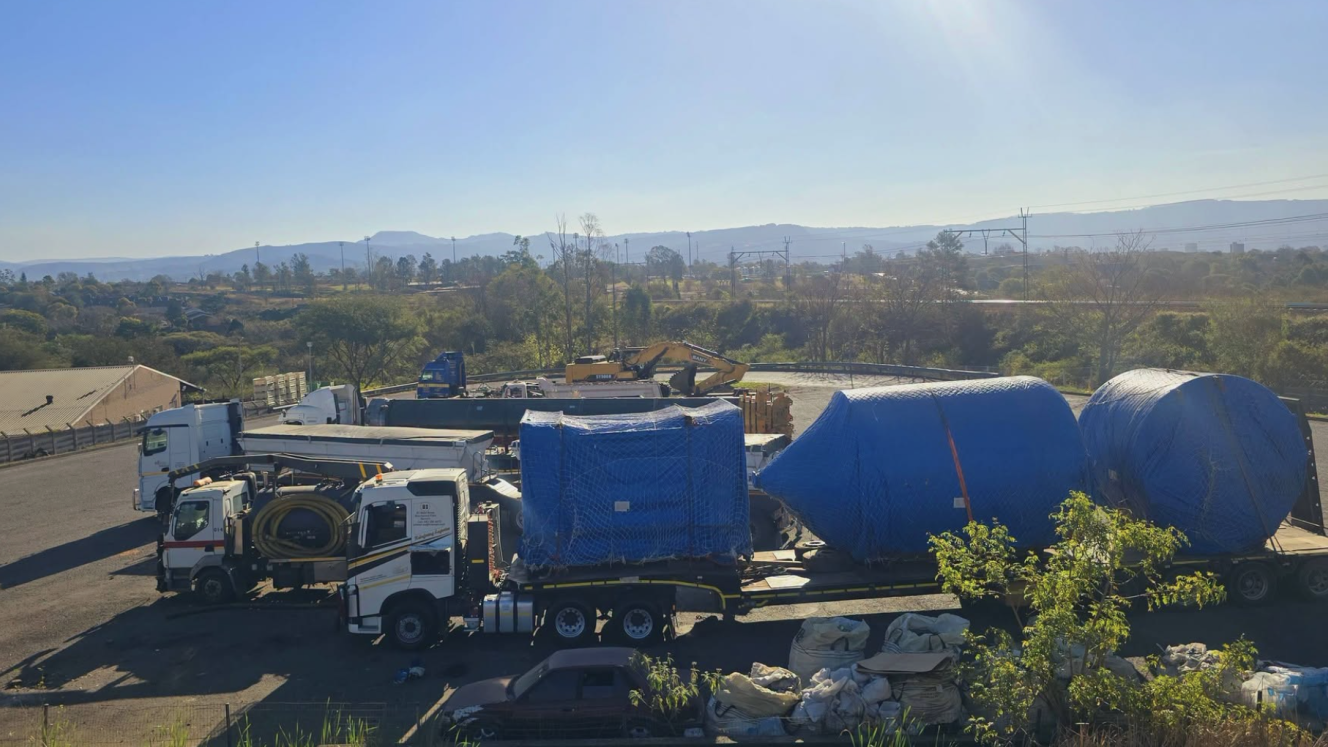
Roadfreight rates will have to come under scrutiny in light of rising costs – particularly the recent fuel increases. According to Kerwin Naidoo, managing director of Transgroup Logistics, with ever-increasing levies and taxes companies will have no choice but to re-evaluate their logistics costs. “The increasing fuel price in particular is impacting the road freight industry which remains one of the highest-taxed industries in South Africa,” he told FTW. “Given the continued increases in cross-border taxes, toll fees, vehicle licence and inspection fees, and rising fuel prices there is a heavy burden placed on road freight operators to keep rates down. The increase in the diesel price and the additional increases are adding to that burden.” While organisations such as the Road Freight Association continue to lobby against the increasing taxes, road freight operators have little choice but to continue to pay the price. “Costs for operators are constantly increasing,” said Naidoo. “Operators have very little control over this, with few other options available to reduce costs. In terms of fuel for instance there is no choice but to pay the increased price for diesel as biofuels or clean fuels are not available to the industry at present.” Naidoo said aspects such as port congestion and national strikes further influenced costs. “All of this results in very high logistics costs for the country, and as an industry we are going to have to find solutions for the long-term,” he said. Transgroup Logistics, he added, placed heavy emphasis on partnerships in this regard. “We believe that through partnering you can improve the flow of the logistical movements of cargo and influence cost as far as possible,” he said. Asked about rail, Naidoo said while Transnet Freight Rail was determined to win back market share and was putting a lot of effort and resources into achieving this, road would always have a place in the South African transport environment. “Road and rail will have to work together in light of the considerable growth in transportable general cargo that is being forecast for South Africa.” He said the company was at present investing heavily in its IT infrastructure to upgrade its service offering to customers. “Through this we will be able to accommodate live feed tracking updates via email and SMS. We are also looking at increasing capacity on certain routes. On the rail movements, the company is constantly discussing ideas and implementing diverse procedures to facilitate movement on rail to final delivery by road to receiver,” he said. Naidoo said another important element introduced recently was a donation programme to benefit various organisations supporting the underprivileged. “We have earmarked several organisations that we will support through this programme which will see us donating a certain percentage for every container we move either by road or by rail.”
‘Roadfreight rates must rise’
Comments | 0
© Now Media. This content is protected by copyright and may not be adapted or republished. If you would like to discuss cooperation opportunities, please contact: editor@freightnews.co.za.