For the first time in five consecutive years, South Africa has reduced its road fatality rate, with 700 fewer people killed on the roads in 2025 compared to the same period last year.
However, despite the decline, the year-to-date death toll stands at more than 9 400 – a figure Transport Minister Barbara Creecy yesterday described as “still much too high”.
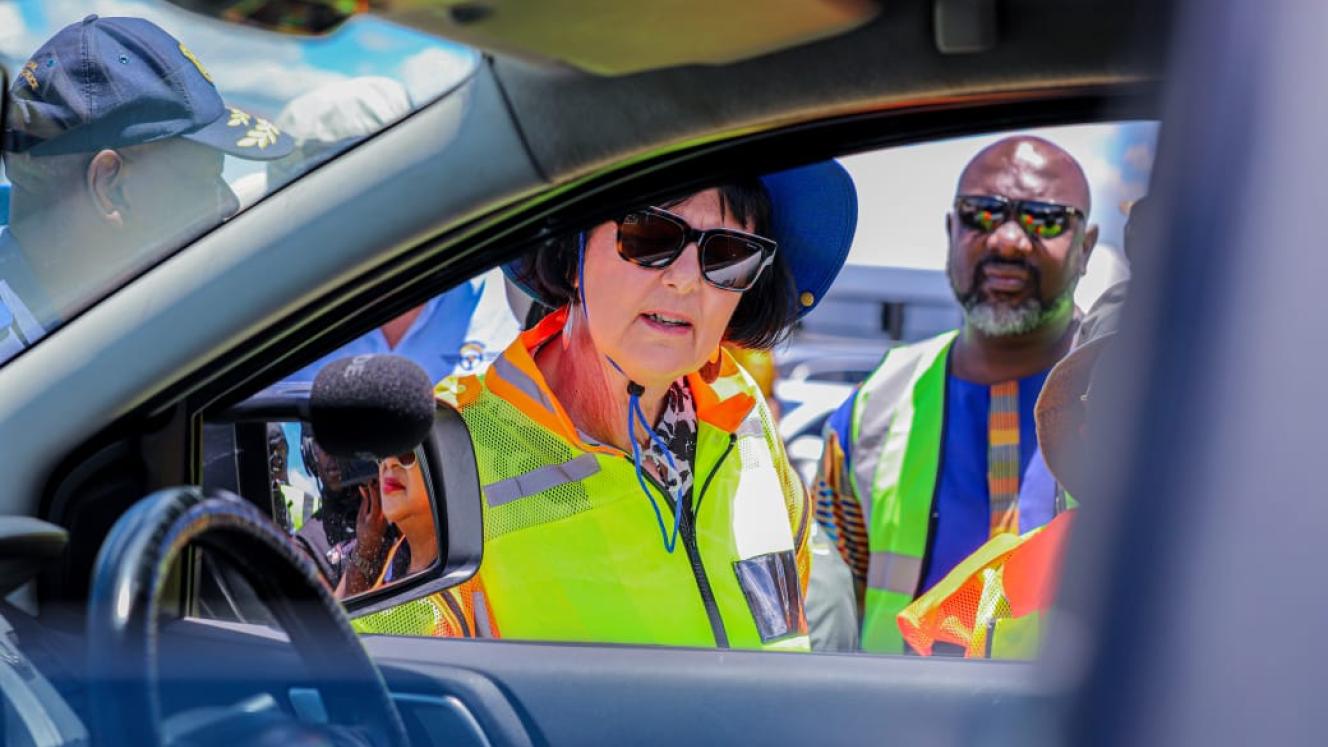
Launching the 2025/26 Arrive Alive festive season campaign in Kroonstad under the theme “It Starts with Me”, Creecy said the reduction represented “consistent progress” towards the United Nations target of halving road deaths by 2030.
She said the Easter 2025 period, which had recorded the lowest number of crashes and fatalities in three years, had shown that coordinated action worked.
Human error by drivers or pedestrians remains the cause of almost 90% of crashes, while pedestrians account for over half of all fatalities. Five provinces – Gauteng, KwaZulu-Natal, Western Cape, Eastern Cape and Limpopo – continue to record 70% of incidents.
With freight and long-distance passenger transport historically linked to major crashes, the festive campaign will prioritise vehicle roadworthiness, driver fatigue and overloading.
Inspections will intensify at depots and major weighbridges, including N3 Heidelberg, N4 Donkerhoek, N1 Mantsole, N12 Potchefstroom and N14 Pine Haven. An additional 800 National Traffic Police officers will reinforce provincial forces in the four highest-risk provinces.
High-volume freight corridors such as the N1 (Naboomspruit to Laingsburg), N2 (Pongola to Eastern Cape), N3 (Gauteng to KwaZulu-Natal), N4 (Tshwane to Komatipoort), and N12 (Gauteng to North West) will receive focused 24-hour patrols and roving alcohol testing.
Cross-border operators will face stricter checks at terminals, including Newtown Zimbabwe Bus Terminal in Johannesburg, Vereeniging Cross-Border Rank and Cape Town Station, targeting illegal operations, unroadworthy vehicles and driver fitness.
Creecy urged the freight sector and all road users to obey basic rules, including no speeding, no risky overtaking, mandatory two-hour rest stops on long hauls, zero alcohol tolerance when driving and compulsory seatbelt and child-restraint use.