An inflation rate of 3.5%, consecutive lower fuel prices bringing relief to the transport sector and consumers, and stable food inflation at 4.4% have created some economic gains for South Africa.
But the war in the Middle East, reverberations across the energy sector causing a rise in oil prices, and resulting price shocks could put pressure on the Reserve Bank's ambitions to keep inflation below 3.6%.
Speaking to Freight News this week after the price of diesel rose between 60c and 65c per litre, Efficient Group chief economist Dawie Roodt said South Africans should prepare themselves for fall-out from market reaction.
He said the dollar gaining against the rand since Saturday, after the US and Israel started firing missiles into Iran, was because of international investors retreating into stronger currency markets.
He remarked, though, that the rand was buffered by a strong gold price, and its appeal for investors as a safe haven commodity.
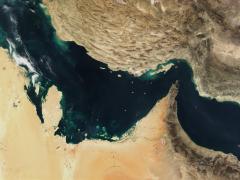
What was concerning though, said Roodt, was the impact on the oil price, which earlier this week rose 5-6% after Iran threatened to attack tankers in the Strait of Hormuz, an oil supply choke point responsible for at least 20% of global demand for crude.
Although the oil price fell back to US$79 per barrel on Tuesday morning, after briefly breaking through the $80 mark, Trading Economics reported by 1:30pm (CAT) on March 4, that Brent crude was trading at $83.29 per barrel.
“This marks a 2.32% daily increase from the previous close of $81.40, with the day's range between $81.25 and $84.45 amid ongoing Middle East tensions," the site says.
If the oil price continued to rise, it was very unlikely that the Reserve Bank would factor in another consecutive interest rate cut to stimulate South Africa’s sluggish economy, Roodt said.
If warfare in the Middle East continued to escalate, it was possible that the oil price could spike to $120 a barrel, Roodt warned.
“If that happens, we can expect the impact on the local economy from a potential increase in interest rates resulting in retraction to below one percent growth,” he said.
Francois Fouche, research fellow at the Gordon Institute of Business Science, shares Roodt’s concerns.
Stepping out of a discussion about the Middle East situation, he said “an oil price blowout” could ultimately result in higher interest rates for longer.
Internationally, all eyes are on President Donald Trump’s threat that he will use the US Navy against Iran to keep oil supply flowing through Hormuz.
According to Roodt, it’s likely that hostilities between the three primary warfaring countries are resolved soon.
“Make no mistake, what’s happening at the moment is very bad for the global economy and I don’t think anyone is interested in a protracted war.”
He said it was interesting to notice that countries along the Persian Gulf and Gulf of Oman were threatening to strike back after Iran attacked US allies with weaponised drones and missiles.
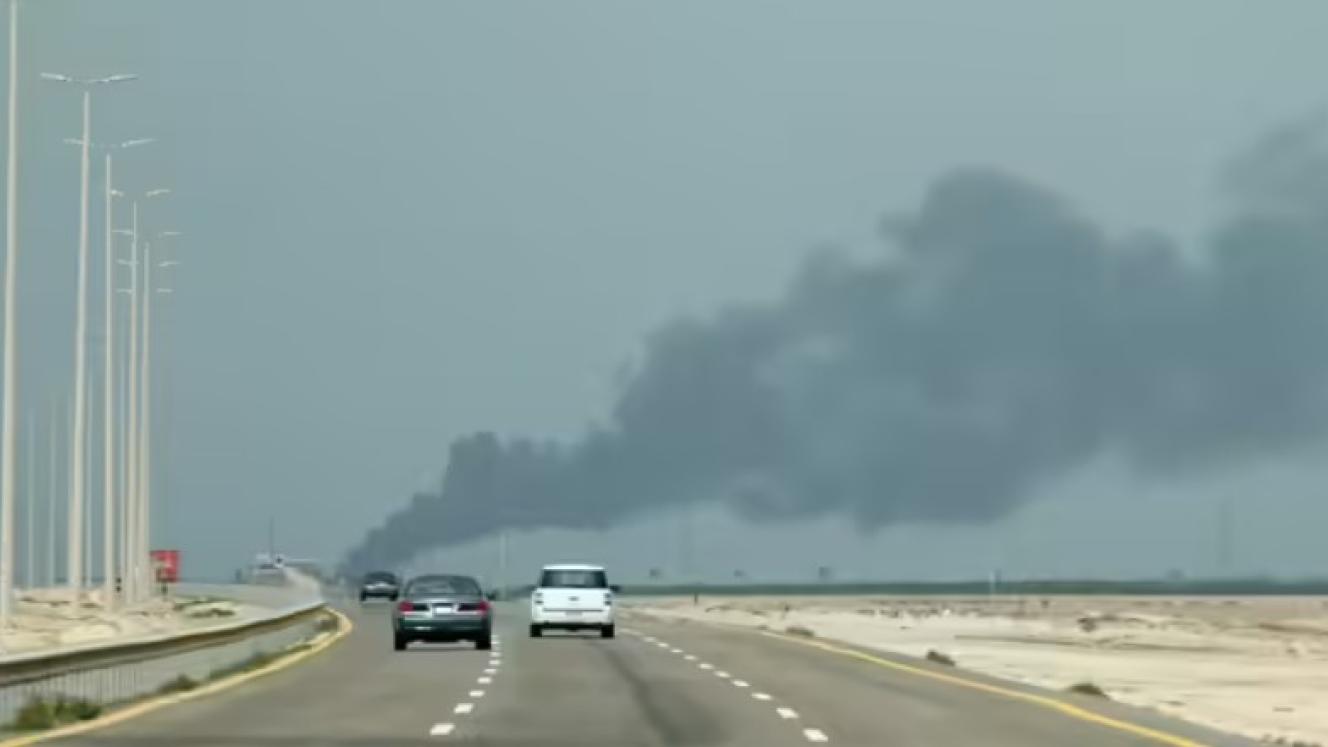
This includes Saudi Arabia where an important oil field in Ras Tunura was struck by debris from intercepted Iranian ordnance.
“Whether you like him or not, Trump is changing the Middle East. By the looks of it we could soon sit with Middle Eastern countries siding with Israel in its fight with the US against Iran. That will substantially change geopolitics.
“What worries me more”, Roodt said, “is South Africa’s foreign relationship with Iran. We’re caught on the wrong side of the ideological fence, with the side that’s losing.”
He said it included South Africa’s trade position as a member of Brics, principally made up by Brazil, Russia, India and China.
“Let’s face it, the pressure from this economic block about what’s happening at the moment is nowhere to be seen. Brics is showing itself to be entirely toothless.”