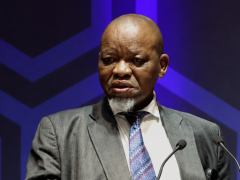
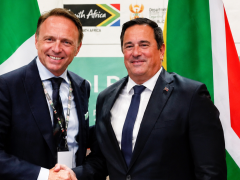
The Road Freight Association (RFA) has given its support to e-tolling on the Gauteng Freeway Improvement Project (GFIP). This follows months of opposition to the planned e-tolling of the province’s freeways, with the organisation even applying to join a Constitutional Court case in an attempt to stop the lifting of an interdict against its implementation. Whilst this application was denied and the interdict lifted, the RFA remained vocal in its opposition to the fees and the collection method chosen for the GFIP e-tolling. But, the organisation’s spokesman Gavin Kelly told FTW last week, the decision to now support e-tolling was not an aboutturn, but rather based purely on the current cost and the introduction of an independent regulator. “We still maintain that the administration cost in respect of collection and our internal administration could have been avoided if fuel levies were utilised and earmarked to fund the upgrades of freeways. However with escalating fuel prices, the current discounted e-toll tariff structure will have a lesser cost impact on operators and ultimately the least cost impact on CPI and the man in the street.” He said the decision to now support the GFIP did not equate to a blanket approval of any other toll projects. “Any new project would require open and honest access to any other proposed toll project so that the impact on operators and the economy alike can be fully ascertained well in advance.” The RFA has always maintained it is not opposed to paying for new road infrastructure, but was rather questioning the transparency of the GFIP and the methods introduced for toll collection. Following the first publication of the proposed tariffs and operational details in November 2010, the RFA began to voice strong opposition to the proposed tariffs of the GFIP, as these were seen to be exorbitantly high when compared to other toll routes in the country. The Association’s opposition took the form of a public media campaign and government lobbying programme – supported by an economic impact assessment study on the then proposed tariffs. The association has also been highly involved in an inter-ministerial task team under leadership of Deputy President Kgalema Motlanthe, appointed to investigate the GFIP. Kelly said they believed that sufficient inroads had been made and the fees that had now been introduced were much more acceptable. “The e-tolls are still a significant cost to operators who will have no other option but to use the toll network as there are no alternate routes available,” he said. INSERT 'The decision to now support the GFIP does not equate to a blanket approval of any other toll projects.’ CAPTION Gavin Kelly ... not an about-turn.
RFA now adds its support to e-tolling
Comments | 0
© Now Media. This content is protected by copyright and may not be adapted or republished. If you would like to discuss cooperation opportunities, please contact: editor@freightnews.co.za.