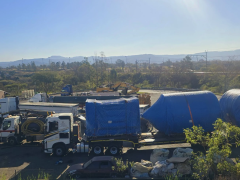
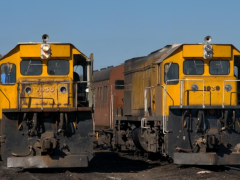
Lack of adequate infrastructure, poor transport networks and political instability present huge challenges for humanitarian relief organisations and their logistics partners in Africa – the continent with the greatest need. Says Leighla Bowers, communications for logistics at the World Food Programme: “We rely on the expertise and local knowledge of more than 2 500 logisticians who are managing the transport and delivery of our cargo in 80 countries. To do this, our staff are operating 30 ships, 50 aircraft and 5 000 trucks on any given day.” While staff expertise and operating assets are essential elements in humanitarian logistics, getting the food to its final destination isn’t always that straightforward. “The main obstacles are poor infrastructure, insecurity, and challenging regulatory frameworks such as customs procedures, necessary permits, importation requirements and more.” Heinz Lange, operations manager for air charter company Chapman Freeborn, told FTW that the geographical focus and volume of relief operations varied hugely from year to year as major humanitarian airlifts were often driven by unpredictable events. “We often find that for sudden aid airlift operations bottlenecks can occur at key hubs, with airport infrastructure unable to handle the sudden surge in cargo arriving for onward distribution. The Haiti earthquake in 2010 was a case in point. Port au Prince Airport was quickly overwhelmed and there was limited ramp space and capabilities to turn around larger aircraft such as the B747 freighters. In situations like this it's sometimes the case that smaller and more versatile aircraft can be utilised to good effect,” he said. CAPTION A WFP-chartered Illyushin 76 airlift approaches the drop zone and prepares to unload its cargo of lifesaving food assistance over Yida refugee settlement in South Sudan. Photo: WFP/Geoffrey Pinnock
Regulatory frameworks hamper
Comments | 0
© Now Media. This content is protected by copyright and may not be adapted or republished. If you would like to discuss cooperation opportunities, please contact: editor@freightnews.co.za.