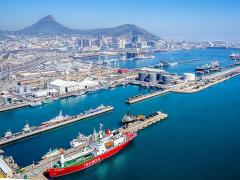
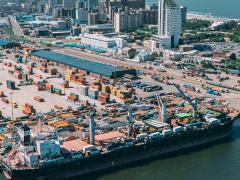
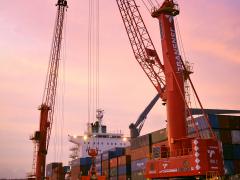
Malcolm Hartwell, director of Deneys Reitz, and one of the legal drafting team that assembled the directives for the port regulator, points out that the directives are effectively the operating programme for the regulator – “the rules by which it will operate.” The main function, he added, is to monitor the Transnet National Ports Authority (TNPA) and attempt to manage what is effectively a sole port controller. “The regulator is mainly there to curb TNPA’s monopolistic system,” Hartwell told FTW, “and also to deal with its tariffs and complaints against the authority.” The regulator, therefore, is empowered to approve tariffs, hear complaints against TNPA and hear appeals. “They have broad discretionary powers,” said Hartwell, “and for the lines and other port users which operate in this country, it is a significant step.” Hartwell reflected market thinking, suggesting that there were lots of complaints about some of the tariffs. Indeed, according to bodies like the SA Shippers’ Council (SASC), the basic concept of tariffs being paid to the TNPA is questionable. And it’s no new complaint, but one that has been on the SASC records from before 2003, when the current ‘cargo dues’ being paid replaced the original contentious ‘ad valorem’ wharfage charges. But bodies like SASC and the then Container Liner Operators’ Forum (Clof) – representing the shipping lines – were adamant that neither the old nor the new fee was being committed to its originally intended purpose, the repair, maintenance and development of the ports. Similarly, the port users had the basic complaints that they objected each year to paying more for no greater service at the ports – and that the TNPA was making massive profits each year, and the tariffs were not reduced as the authority promised at the initiation of port tariff reform in 2002. But, with the port regulator now an established and working entity, the port users will have an official channel of complaint, according to Hartwell. “The lines, for example, will be able to use the regulator to help them in their relationships with the port,” he said, “and will be able to register complaints they have about the working of some of the terminals as well as the new tariffs the TNPA levies each year.”
‘Regulator’s job is to curb TNPA’s monopolistic system’
Comments | 0
© Now Media. This content is protected by copyright and may not be adapted or republished. If you would like to discuss cooperation opportunities, please contact: editor@freightnews.co.za.