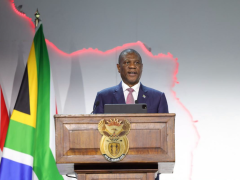
The lack of competition on the country’s railroads is one of the biggest challenges facing its operators as they try to convince cargo owners to move their goods to this mode of transport. For economist Mike Schüssler, rail’s lack of choice is probably its biggest drawback. “It is not about whether road is the best transport mode or that it must carry every commodity in the country. But road offers choice. It offers competition and that does not exist on rail,” he said. Claims by government and researchers that our high logistics costs are the result of too much cargo moving by road and increasing the cost of logistics in the country are therefore in question, he says. “It is essentially asking that we move cargo from a free trade environment to a state-run monopoly. It does question the role of free enterprise,” he said. Mike Walwyn, chairman of the Cape Port Liaison Forum (PLF) and vice chairman of the South African Association of Freight Forwarders (Saaff), said the issue of privatisation of rail was one that often came up. “In asking businesses to move their cargo to rail one has to take all the issues into consideration. If it was a benevolent monopoly – a good service at a competitive price – then it would be acceptable, but that is not necessarily the case with rail in the country.” He said more often than not the rail service was more expensive than road and often not as reliable or dependable as it needed to be. Using the Port of Cape Town as an example, he said while there had been upgrades and improvements in terms of equipment – and it was far better run by its local management than ever before – it was still managed subject to overall national port policy. “The same goes for rail – it is run according to national rail policy and that is questionable.” Schüssler maintains that with the host of costs businesses have to contend with in the market – from increased electricity costs to fuel levies, permits and other fees – the role of the state has to be considered at all times and moving cargo to a state-controlled monopoly would not necessarily save costs. Simply put, said Schüssler, road is often cheaper than rail because of the competition between operators. “Rail can charge what it wants. Not only is it the only player, it is also the referee.” INSERT & CAPTION Road offers choice. It offers competition and that does not exist on rail. – Mike Schüssler
'Rail often more expensive than road'
Comments | 0
© Now Media. This content is protected by copyright and may not be adapted or republished. If you would like to discuss cooperation opportunities, please contact: editor@freightnews.co.za.