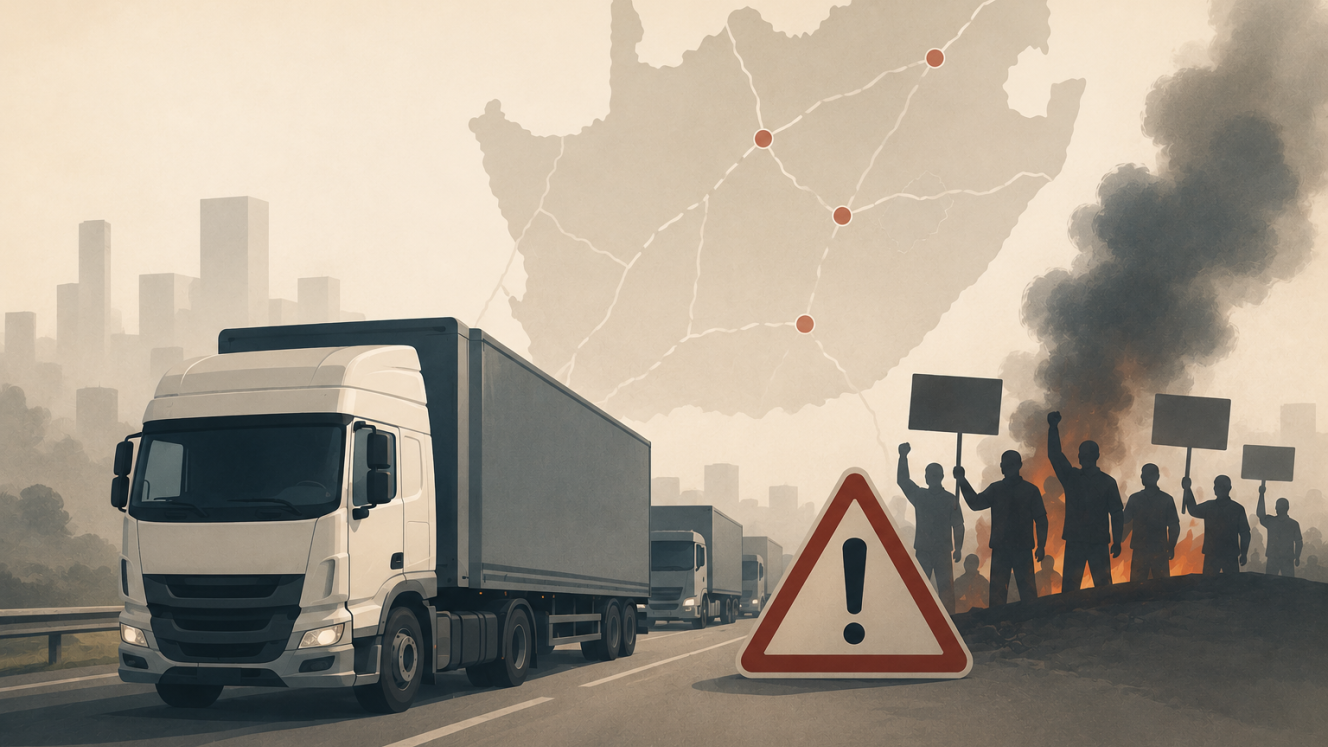
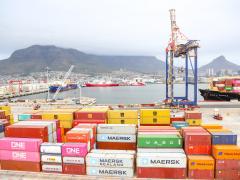
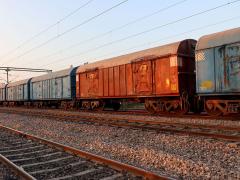
Road transport remains one of the largest consumers of energy and creators of pollution and while energy efficiency in the transport sector has improved dramatically, it remains a concern. Allen Jorgensen, media research officer for the Railroad Association of South Africa, says rail offers a much-needed alternative. “The cost, supply and consumption of energy has become a major environmental concern in recent times. From 1978 to 1988 the energy needed to move one passenger one kilometre was reduced by 3% but the number of passengers increased by 31%. In the freight sector the increase was even greater,” says Jorgensen. “It is clear that a careful examination of the overland transport modal mix is urgently required and that no doubt, rail has an important role to play.” According to Jorgensen, electric haulage by rail reduces the carbon footprint quite substantially. “A road vehicle on the N3 uses 280-300 litres of diesel for a single run from Durban to Gauteng. At 30 million tons of through road traffic per annum, or one million trips, 280 million litres of fuel is consumed. Such traffic on rail would rely almost entirely on electricity generated from coal – a much more abundant resource.” Jorgensen says rail also uses less space as a singletrack railway line can handle four to eight times the volume of a two lane bi-directional road. “Yes, road transport is fast and flexible, but the impact on the environment is greater. Nearly all road transport operations rely on diesel or petrol usage while rail in comparison relies largely on electricity generated in thermal power stations.” Jorgensen believes that to make any informed infrastructure investment, total transport costs must be factored in which include energy use and externalities including environmental degradation, accidents, congestion and related costs. “Only once all these costs are factored into the total cost of transportation can we make an informed decision on what infrastructure to invest in.”
Rail champion spells out carbon ‘cost’ of road usage
Comments | 0
© Now Media. This content is protected by copyright and may not be adapted or republished. If you would like to discuss cooperation opportunities, please contact: editor@freightnews.co.za.