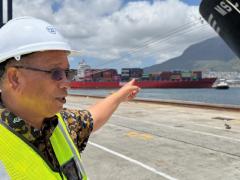
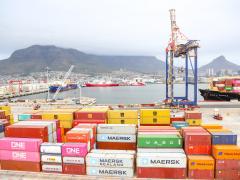
Africa must find ways of creating sustainable Public Private Partnerships (PPPs) and also making them work – especially when it comes to transport infrastructure projects, says Peter Copley, transport specialist for the Development Bank of Southern Africa. “Africa’s infrastructure need is accelerating due to economic growth and historic and current underinvestment. The current need is estimated at some US$93 billion per annum – twice the figure determined only nine years ago.” Copley said energy made up some 50% of the requirement, with transport second at 25% followed by water and sanitation. “The importance of PPPs is growing all the time as the governments of the world can no longer afford to provide the necessary infrastructure unaided. We do, however, need committed champions from both the private and the public sector who are willing to become involved in projects long term.” Copley said especially in the transport sector it was important for role-players to start working harder at making themselves look attractive and finding ways of justifying investment in transport programmes and projects. “The private sector is renowned for putting its money into the power and telecoms sectors. A variety of reasons exist for this including the fact that these sectors have effective billing systems in place so the revenue streams come straight away. It is not easy to develop PPPs in road and rail – and that is not just an African issue, but also an international phenomenon.” But, said Copley, it was imperative for Africa to lobby for private partnerships to ensure that transport infrastructure gets its fair share of the pie. “If we want to see PPPs really work it is important to make sure the projects and programmes will have a rate of return – that is what investors want to see.”
Public Private Partnerships the key to better infrastructure in Africa
Comments | 0
© Now Media. This content is protected by copyright and may not be adapted or republished. If you would like to discuss cooperation opportunities, please contact: editor@freightnews.co.za.