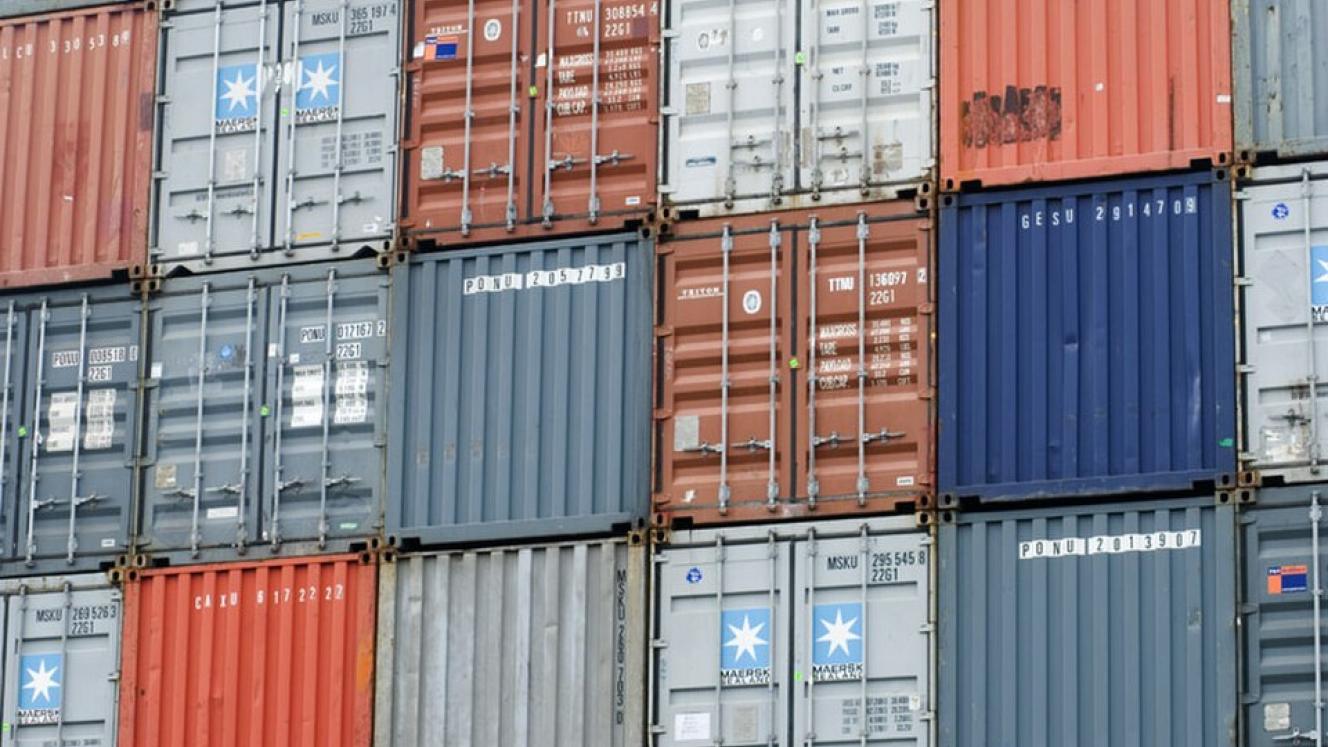
The prohibitive costs of shipping in West Africa were brought home loud and clear last week when FTW received a list of freight rates from Chinese company Sinotrans Shipping. This displayed the comparative box rates from China to SE Asia, Middle East and Gulf, West Africa, and South America – and West African rates were 160% higher than the worst of the others. A basic truth for shipowners, Andrew Thomas, CEO of locally based shipping line Ocean Africa Container Line (OACL) told FTW, is that fixing freight rates is a combination of factors, including the nature of the market itself and the cost of servicing it. According to the Sinotrans Shipping quote, shipping from China to six SE Asian ports would cost you an average of US$397 per TEU; to 14 ports in the Middle East/Gulf an average of US$814/TEU; 12 ports in South America, US$817/TEU – and to 12 ports in West Africa an astonishingly high average of US$2 132/TEU. Why so high? A number of factors, according to Thomas, all of which combined for lower port efficiency, higher costs, and higher freight rates. “The line’s ships servicing the other destinations would be bigger vessels – probably up to 8 000 TEU capacity,” he said. “But obviously there would be smaller ships trading into West Africa, probably about 1 700 TEU. “There are, therefore, limited economies of scale on the West Africa run, and the costs are higher. It’s just a much more expensive and complex market to serve.” Thomas also pointed to port inadequacy on the West Coast. “There is a lack of infrastructure and capacity, port congestion delays (anything up to 30 days) – and freight rates are that much higher,” he said. There are also fewer players in this marketplace, and it’s that much less price-competitive.” Even setting up a line’s own infrastructure in West African countries is a costly pursuit. Said Thomas: “It’s extremely expensive to set up a network there – with staff residences renting at hundreds of thousand of rand per month. “You might also be faced with a skills deficit in those countries, and so you might need foreign employees – who demand higher, foreign currency pay. “The cost of servicing these markets is prohibitively expensive.”
Prohibitive costs of West Africa ports – the reasons in a nutshell
Comments | 0
© Now Media. This content is protected by copyright and may not be adapted or republished. If you would like to discuss cooperation opportunities, please contact: editor@freightnews.co.za.