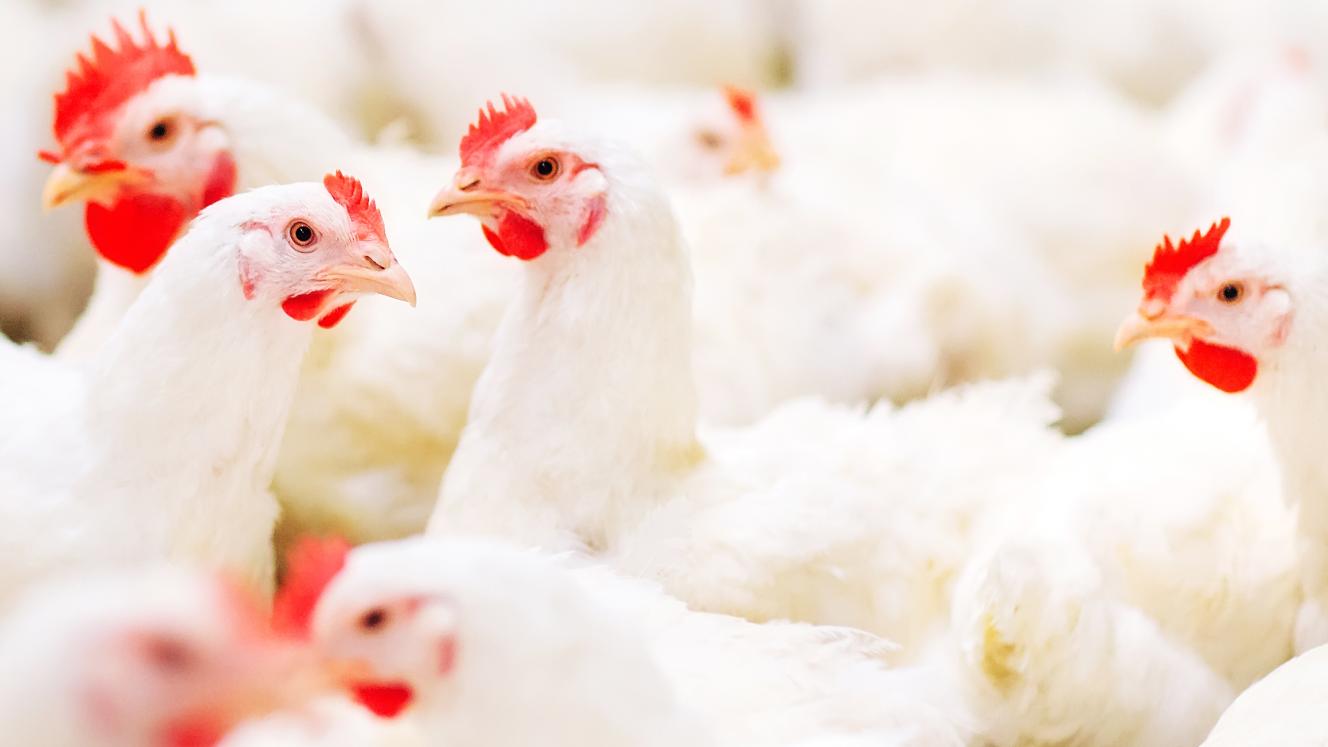
South Africa’s poultry industry is handling significantly higher production volumes than it was five years ago, despite ongoing transport, cold-chain and infrastructure constraints that continue to raise costs and place pressure on agricultural supply chains.
The industry’s progress was discussed at the first Economic Oversight Committee meeting between the Department of Trade, Industry and Competition, the Department of Agriculture and Poultry Masterplan stakeholders held last week.
According to the South African Poultry Association (SAPA), production increased from 19.7 million to 23 million birds per week between 2019 and 2025.
CEO of the Broiler Organisation of SAPA, Izaak Breitenbach, says the growth has been achieved despite infrastructure and logistics constraints, as well as municipal inefficiencies, elevated raw material costs and the 2023 Highly Pathogenic Avian Influenza outbreak.
“The poultry industry is no longer in distress. It is a globally competitive, growing sector that continues to deliver affordable protein to South African consumers,” says Breitenbach.
SAPA says 32 large-scale poultry projects have been established since the launch of the Poultry Masterplan in 2019, with an average investment of R45 million each. Total investment across these projects exceeded R1 billion.
The projects included three new hatcheries, about eight egg-laying facilities and 20 broiler contract farming operations. SAPA highlighted the KC Hatchery project, which involved investment of more than R135 million.
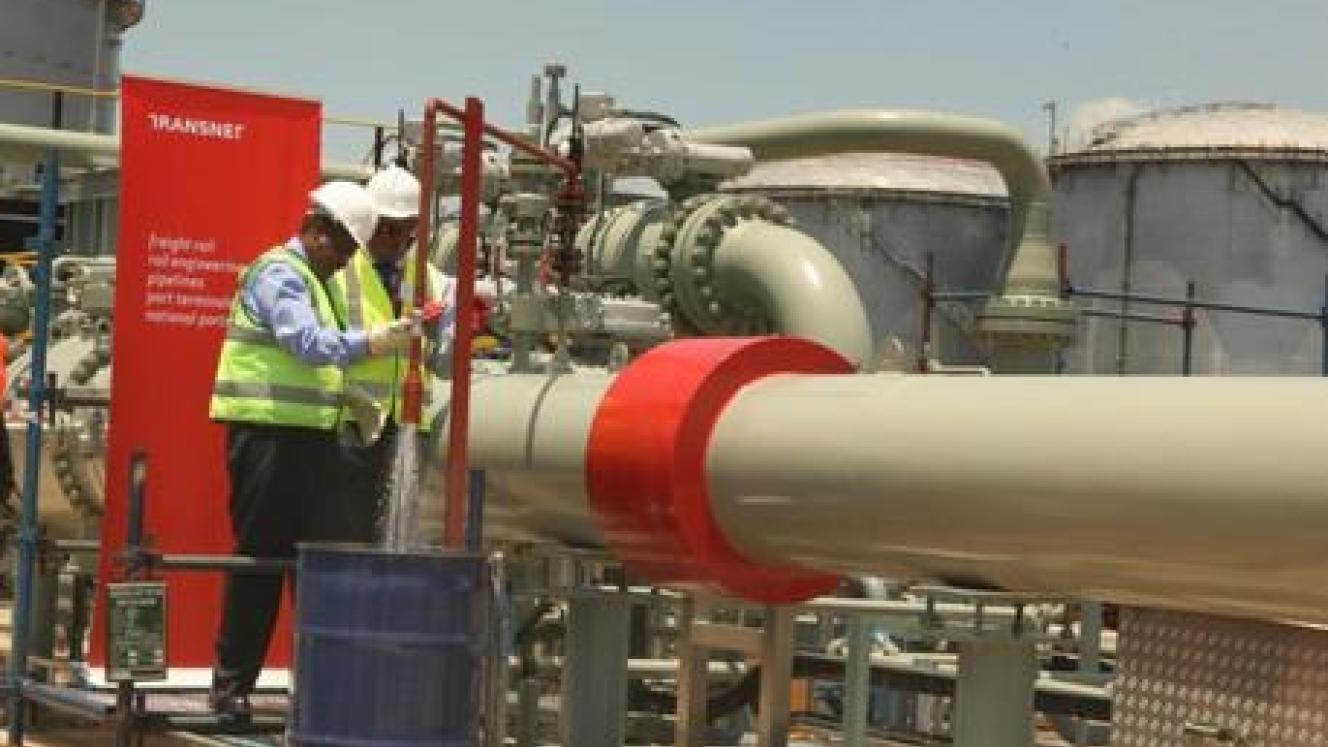
South Africa’s agricultural sector continues to face significant logistics challenges. In a recent analysis of South Africa’s cold-chain environment, the Netherlands Agricultural Network at the Dutch Embassy in Pretoria said delays in storage, transport and ports were undermining supply reliability and increasing costs across agricultural export supply chains.
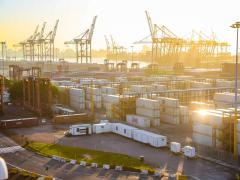
The report pointed to persistent delays at the ports of Durban and Cape Town, operational failures, handling problems and capacity constraints, while also highlighting ongoing dependence on road freight because of infrastructure limitations.
Dumping concerns resurface
The association says this progress represented a significant turnaround from the decade preceding 2019, when the industry experienced sustained decline due to the influx of dumped chicken imports.
Investigations by the International Trade Administration Commission (ITAC) found that nine countries were engaged in dumping poultry products into South Africa, leading to the implementation of anti-dumping duties to protect the local industry.
However, recent data cited by the FairPlay Movement showed that imports of bone-in chicken portions increased sharply during the first two months of 2026 compared with the same period last year.
Despite these pressures, SAPA says the sector has improved its competitiveness significantly. A 2025 study by Wageningen University found that South Africa’s poultry industry was highly competitive globally.
According to SAPA, South Africa has produced more affordable chicken than the European Union for more than 13 years and has now overtaken the United States in cost competitiveness, with only Brazil producing chicken at lower cost levels.