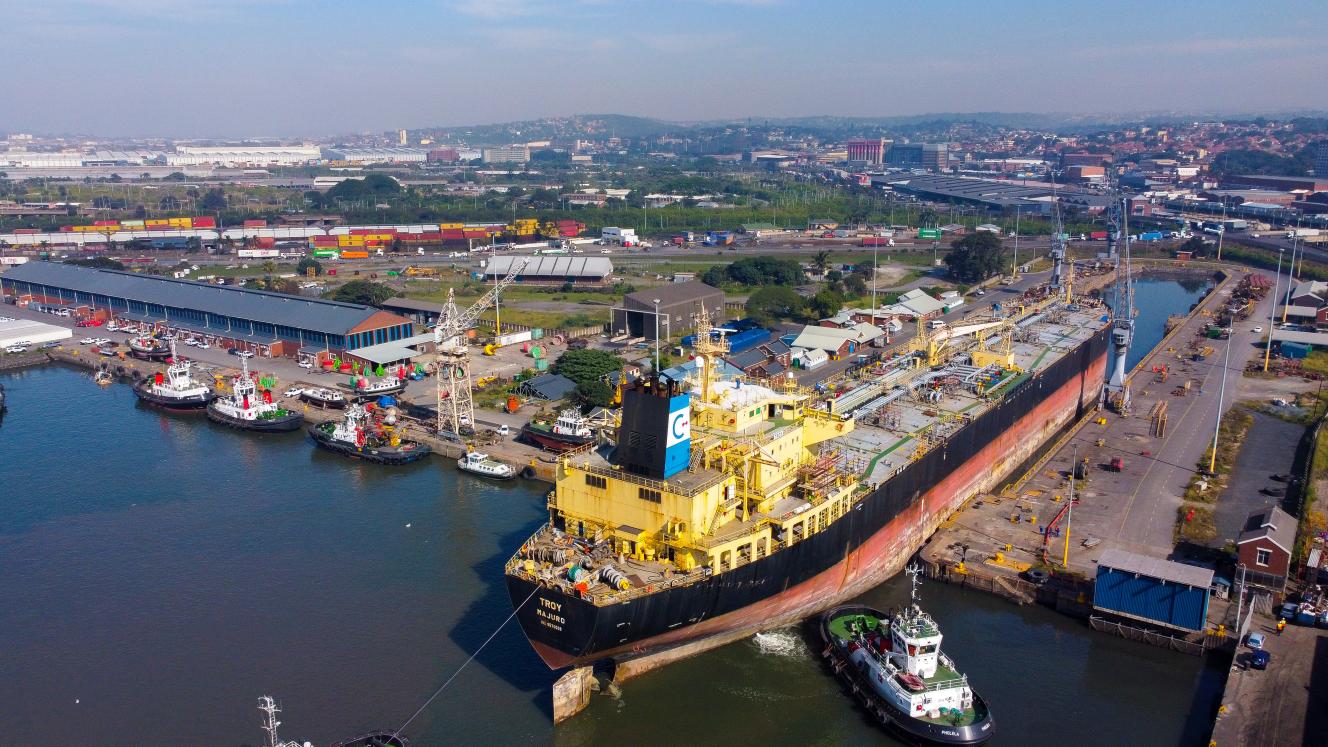
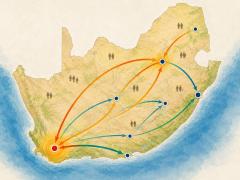
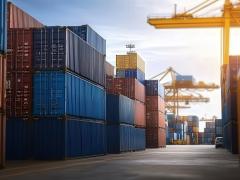
After decades of stagnation there is a new wave of investment in African ports which is challenging everyone along the supply chain to constantly re-evaluate the way they are doing business. FTW’s experience when interviewing freight forwarders, shippers and transporters in neighbouring countries is that many are so invested in “safe and reliable” routes through South African ports that they are missing out on the opportunities being created by investment in ports like Beira and Walvis Bay. Given the nature of the industry, one can assume that the same inertia will be found across Africa, with established companies sticking to the routes they know and trust, allowing others to pioneer the use of routes to newly rehabilitated ports, or even allnew ports. There is so much investment that there is insufficient space to list all the port upgrades and new ports that can be found all along the African coastline. Most of this investment is not happening in isolation – it is accompanied by road and rail infrastructure upgrades, along with customs reforms in order to facilitate the free flow of shipments through the ports. These developments have the potential of realigning freight routes. Tanzania, for example, is working with Rwanda and Burundi to develop a new railway linking the three countries. Tanzania also plans to spend $330 million to upgrade its railway network in order to make it compatible with those across central and southern Africa. The move follows the signing of a tripartite agreement to harmonise operations between the Tanzania Zambia Railway Authority (Tazara), Zambia Railways Ltd and Societe Nationale des Chemins de Fer Du Congo Sarl of the Democratic Republic of Congo — the national railway operators for Tanzania, Zambia and the DRC respectively. In the same region, the governments of Kenya and South Sudan have started consultative talks with several international donors to finance the US$1.08 billion Juba- Eldoret development corridor. A road linking the north-west Kenyan town of Eldoret with the South Sudanese capital Juba is an integral part of the Lamu Port Southern Sudan-Ethiopia Transport (LAPSSET) Corridor. To the west, Angola is working on reviving the Lobito corridor link to the Copperbelt, which will challenge the Beira, Dar es Salaam and Walvis Bay routes. Durban will effectively be out of contention. On a regional scale, the Programme for Infrastructure Development in Africa (PIDA) aims to develop a supply-side web of 37 200km of highways, 30 200km of railways and 16 500km of interconnected power lines by 2040. It also plans to add 54 150 megawatt of hydroelectric power generation capacity and an extra 1.3 billion tons throughput capacity at the ports. PIDA is the joint initiative of a number of leading development agencies and economic communities in Africa. Moving freight in Africa – which is never boring – is becoming more interesting. INSERT 1 Many shippers are missing out on the opportunities being created by investment in ports like Beira and Walvis Bay. INSERT 2 $330m Tanzania’s planned investment in its railway network. CAPTION Beira ... new investment new opportunities.
Port developments could realign freight routes
Comments | 0
© Now Media. This content is protected by copyright and may not be adapted or republished. If you would like to discuss cooperation opportunities, please contact: editor@freightnews.co.za.