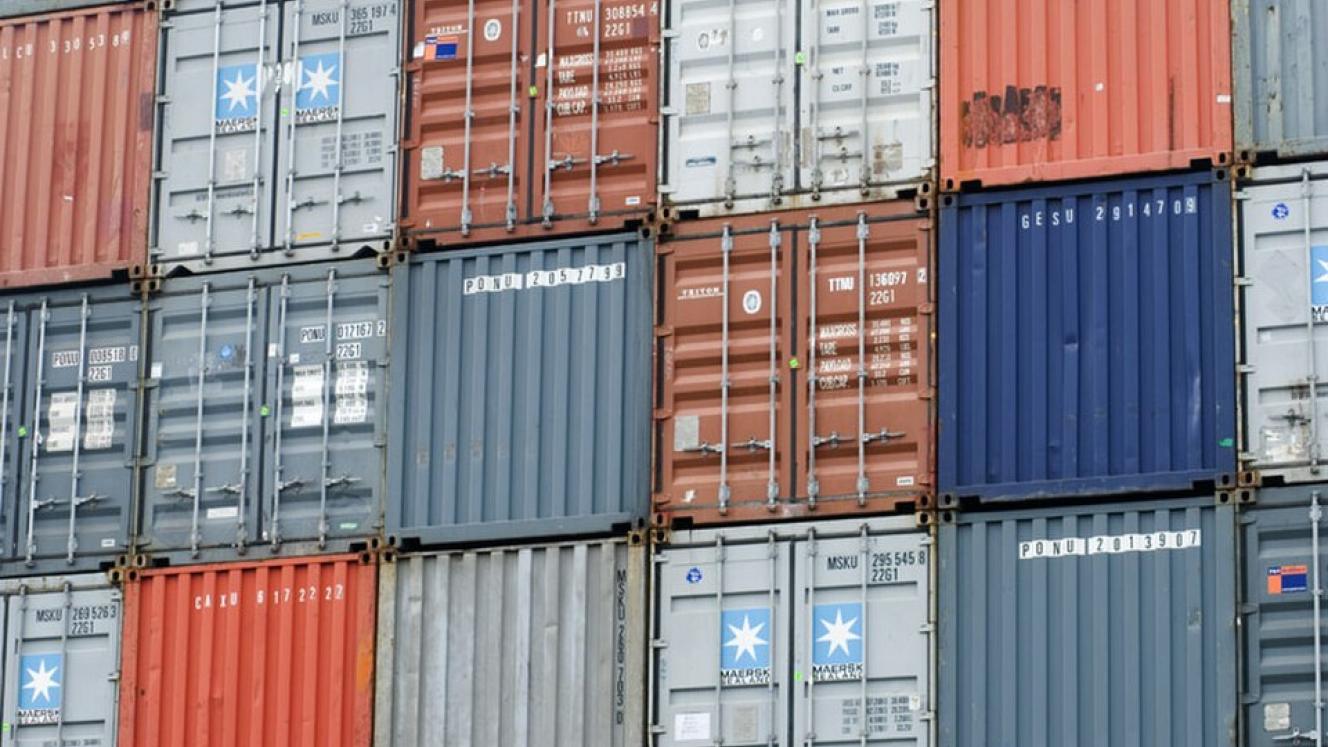
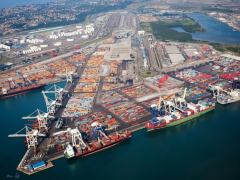
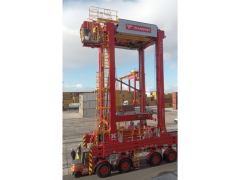
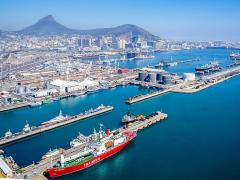
Costs, both direct and indirect, coupled with the poor service associated with using South African ports and terminals are having a negative and possibly irreparable effect on trade with the country. Mark Jensen, managing director of SAFPRO (SA Fruit Promoters) said: “Direct costs such as terminal handling charges and cargo dues are high relative to our global competitors and have a significant impact on our ability to compete in the marketplace. The situation is aggravated yearly with TPT increases consistently above inflation. “Globally the markets are in recession, and on top of this we need to try and deal with these above-inflationary increases on already uncompetitive pricing.” He noted however that the “level of service” in SA’s ports was by far the biggest challenge facing the industry. “Whether it is the Transnet strike of last year, or the disastrous implementation of Navis this year, the commercial effect of this is having an irreparable impact on the South African industry,” he said. “Industrial action and poorly managed system implementations are aggravated by the fact that the crane operators operate at a ‘crane hour’ rate of well below most of the rest of the world.” Jensen said there were significant consequences to this with increased freight rates as shipping lines factor in the recovery of costs incurred in standing idle outside ports and then burning additional fuel steaming at full speed to make up lost time. Other consequences include the unreliable delivery to customers, missed contractual obligations (resulting in price adjustments/penalties), and quality deterioration of perishable products due to delays resulting in lower returns and higher repacking costs. According to various sources, the strike in 2010 was reported to have cost the agricultural sector anything between R600 million and R1 billion. Jensen told FTW that at a recent industry meeting it had been agreed that the consequences of the delays the industry had experienced in 2011 were greater and more costly than the strike of 2010. And the concerns are even greater going forward: “Durban is operating over capacity, and has been for the past few years. This aside, in 2012 they will begin re-dredging the three piers (which is necessary) but which will remove approximately 400 000 TEUs of capacity per annum – meaning the problems will be even greater.” Jensen said there was not enough being done to avoid an even more disastrous 2012. “Certainly efforts are being made in some areas but I fear it is like trying to douse a building on fire with buckets.” Ngqura has the required capacity to help ease pressures on other ports and its new berths come into operation from early 2012. “This is the perfect time for Ngqura to step up as a transhipment port to take on this capacity from Durban,” said Jensen. However, this could be restricted, as there doesn’t seem to be a drive to equalise the Transnet rail service from PE-JHB to the same as DBNJHB. “I am extremely concerned about the year ahead,” said Jensen.
Port delays cost fruit exporters more than last year’s strike
Comments | 0
© Now Media. This content is protected by copyright and may not be adapted or republished. If you would like to discuss cooperation opportunities, please contact: editor@freightnews.co.za.