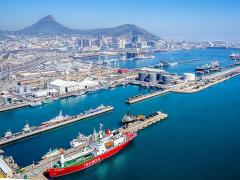
Namibia’s Orange Sub-basin remains Africa’s most prominent high-impact exploration hotspot since 2022, according to the African Energy Chamber (AEC). In a recent report, the chamber said more than six billion barrels of oil had been discovered in less than four years, with the pace of exploration drawing comparisons to Guyana’s rapid offshore development. Major energy companies – including TotalEnergies, Shell, Galp and Rhino Resources – have all reported successful exploration activity in the basin. According to the AEC’s chairman, NJ Ayuk, upstream activity continues to gain momentum as the country rapidly transforms from a frontier exploration site into a full-scale industrial development phase. The Namibian government has committed to scaling up infrastructure, having a clear understanding of the important role that ports, logistics and marine services will play in enabling offshore development at scale. Expansion of the Port of Lüderitz is on the cards following a N$13 million project agreement with the Port of Rotterdam which will see Lüderitz develop a green- energy export terminal. Plans are also in place to extend the quay wall and address the 8.75m draught limitation. “Timely project development, enabling infrastructure and strong institutional frameworks will be critical to sustaining investor confidence and delivering first oil on schedule,” said Ayuk in a statement. The Venus project remains the most advanced in the country, with plans for first oil targeted by 2029 through a floating production, storage and offloading (FPSO) vessel with an estimated capacity of 150 000 barrels per day. According to Duncan Bonnett, a partner at Africa House, the country remains on track to develop itself as a green hydrogen hub, although it did suffer a slight setback following the decision by German power utility RWE to withdraw from the $10 billion project last year. LV
Offshore exploration is on the up and up
Comments | 0
© Now Media. This content is protected by copyright and may not be adapted or republished. If you would like to discuss cooperation opportunities, please contact: editor@freightnews.co.za.