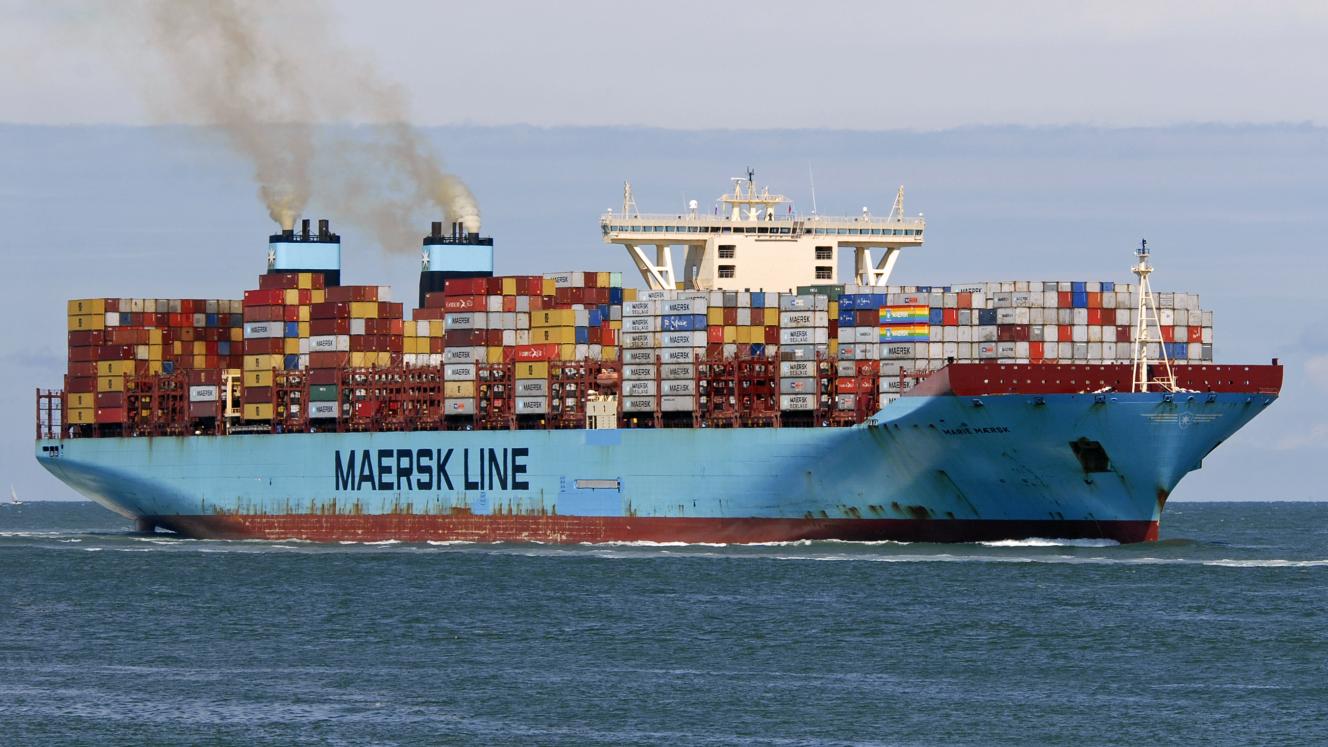
The massive amount of project
cargo required to build the
proposed chain of nuclear
power stations is unlikely to
start moving any time soon.
This because the
department of energy’s justreleased
draft integrated
resource plan (IRP) said the
first reactor would only be
needed by 2037. This was
seen by many observers as an
indefinite delay of the nuclear
build programme – certainly
beyond the Zuma presidency.
However, there’s every
indication that a battle
is brewing between the
department of energy and
Eskom on the timing of the
introduction of a chain of new
nuclear power plants.
Not only this, there is even
an internal nuclear skirmish
between the department and
its minister, Tina Joemat-
Pettersson.
In its response to the
draft plan, Eskom almost
immediately announced plans
to issue a request for proposals
(RFP) for the nuclear scheme
before the end of the year.
Meantime, Joemat-
Pettersson, reported to be
a staunch Zuma supporter,
is very much a fan of SA’s
newbuild nuclear power plant
scheme. The nuclear energy
expansion programme, she
said in her budget speech in
May, “is a central feature of
our future energy mix”.
This, despite the fact that
her own ministerial advisory
council on energy had itself
raised questions about the role
of nuclear in the plan.
There’s even a suggestion
from department of energy
deputy director-general,
Ompi Aphane, that the draft
plan’s limits on power from
renewable sources are not set
in concrete.
Solar photo-voltaic (PV)
additions per year are limited
to 1 000 megawatts (MW)
and wind to 1 800MW – the
same limits as in IRP 2010
and IRP 2013.
But the 2016 IRP also
allows 17 600MW of new
solar PV capacity between
2021 and 2050 and 37
400MW of onshore wind
over the same period.
But Aphane stressed
that these figures could
change materially, as at
least 12 scenarios were to
be tested before the IRP
could be finalised. And
one of these would include
“unconstrained renewables”,
which could either diminish
or even exclude extra nuclear
capacity in SA’s future mix.
It is becoming more
difficult to make the case
for nuclear, according to a
detailed CSIR study released
prior to the IRP – but based
on a similar modelling
exercise, and using the same
software platform.
It found that 70% solar
PV and wind power, backed
up by natural gas, would
be the cheapest for the SA
power system and would
meet SA’s needs up to 2040
– without investment in
additional coal or nuclear
power stations
It argued, too, that this
“re-optimised” mix would
be almost R90 billion a year
cheaper by 2040 than the
business-as-usual scenario,
which relied more on coal
and nuclear.
Nuclear energy battle has just begun …
Comments | 0
© Now Media. This content is protected by copyright and may not be adapted or republished. If you would like to discuss cooperation opportunities, please contact: editor@freightnews.co.za.