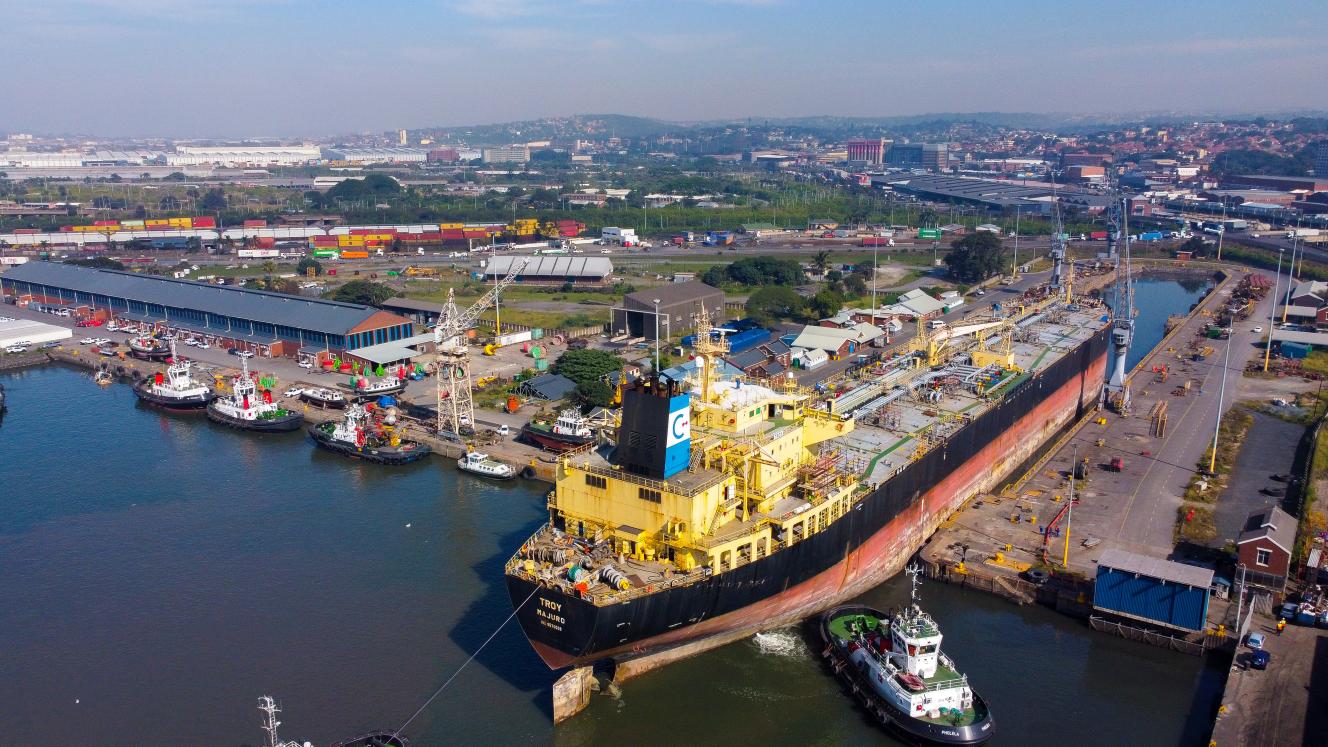
By July 2016 shippers of export consignments and all those involved in their transportation will, by law, have to be ready to comply with the new IMO/ ILO/UNECE Code of Practice for Packing of Cargo Transport Units (CTU). IMO is the International Maritime Organisation; ILO the International Labour Organisation; and UNECE the United Nations Economic Council for Europe. This will apply to any cargo, whether general freight, refrigerated or dangerous goods by road, rail or water, in any form of container, trailer, tanker or rail car. The new code basically means that the consignor – in other words, the company responsible for packing the contents – will be liable for all the costs associated with any damage incurred should an incident occur while the cargo is in transport. Compliance requires contents to be firmly secured to prevent movement when transported, particularly under turbulent conditions. It also demands a stable distribution of weight (within the weight limitations) inside the container prior to sealing and shipping the consignment. But the crux of the new code is container weight verification, according to both overseas and local analysts. Captain Richard Brough from London, director of the International Cargo Handling Coordination Association (ICHCA), for example, said: “It is crucial as part of this whole process. Being a tonne or so out on your calculations can have devastating effects and cause major accidents and losses.” And Justin Reynolds from the international maritime insurance company, TT Club, added: “Disastrous transport incidents are often the result of a domino effect following a single cause, whether it's weight, packing or securing related.” On the SA front, Dave Watts, maritime adviser to the SA Association of Freight Forwarders (Saaff), told FTW: “Our members and their export clients should be aware of the forthcoming developments concerning the weighing of export shipping containers prior to loading on vessels.” And he advised FTW readers to take note of a synopsis sourced from the International Marine Organisation (IMO), the World Shipping Council (WSC) and the Global Shippers Forum (GSF) – (See link on www.ftwonline.co.za) “Clearly,” he said, “there are concerns regarding the implementation of these requirements – particularly in developing countries where there may not be weighbridges or other weighing facilities easily available.” Watts also advised freight forwarders who pack groupage containers that they will require calibrated weighing capacity at their pack houses, as will shippers loading their own containers – with certain specific exceptions. He also pointed out that forwarders operating “back to back” bills of lading would require clarity on the correct procedure for certifying container weight. “How ‘verification’ in SA will be addressed, and what agency will be responsible for such verification, has not been decided,” he said. “It needs clarification from government, with the necessary capacity put in place well in advance of the implementation date of July 1, 2016.” As this is a global requirement, more information and clarity should be forthcoming. Watts pointed out that a member of Saaff executive attended an International Federation of Freight Forwarders Associations (Fiata) meeting of the working group (sea transport) in Italy on June 11/12. “He was to raise the matter there for discussion and clarity, and our members and FTW will be kept informed of developments,” he said. “And, in this country, Saaff will continue to engage with state agencies and shipper organisations to ensure that procedures are in place well before the July 2016 deadline.” Meantime, information from the ICHCA revealed that representatives from the SA Maritime Safety Authority (Samsa) and the department of transport (DoT) had attended one of their recent workshops. These officials endorsed the need for greater awareness, implementation and compliance by SA industries to reduce incidents in all modes of transport. CAPTION Disastrous transport incidents like this one are often the result of a domino effect following a single cause, whether it's weight, packing or securing related.
New packaging ruling holds consignors liable
Comments | 0
© Now Media. This content is protected by copyright and may not be adapted or republished. If you would like to discuss cooperation opportunities, please contact: editor@freightnews.co.za.