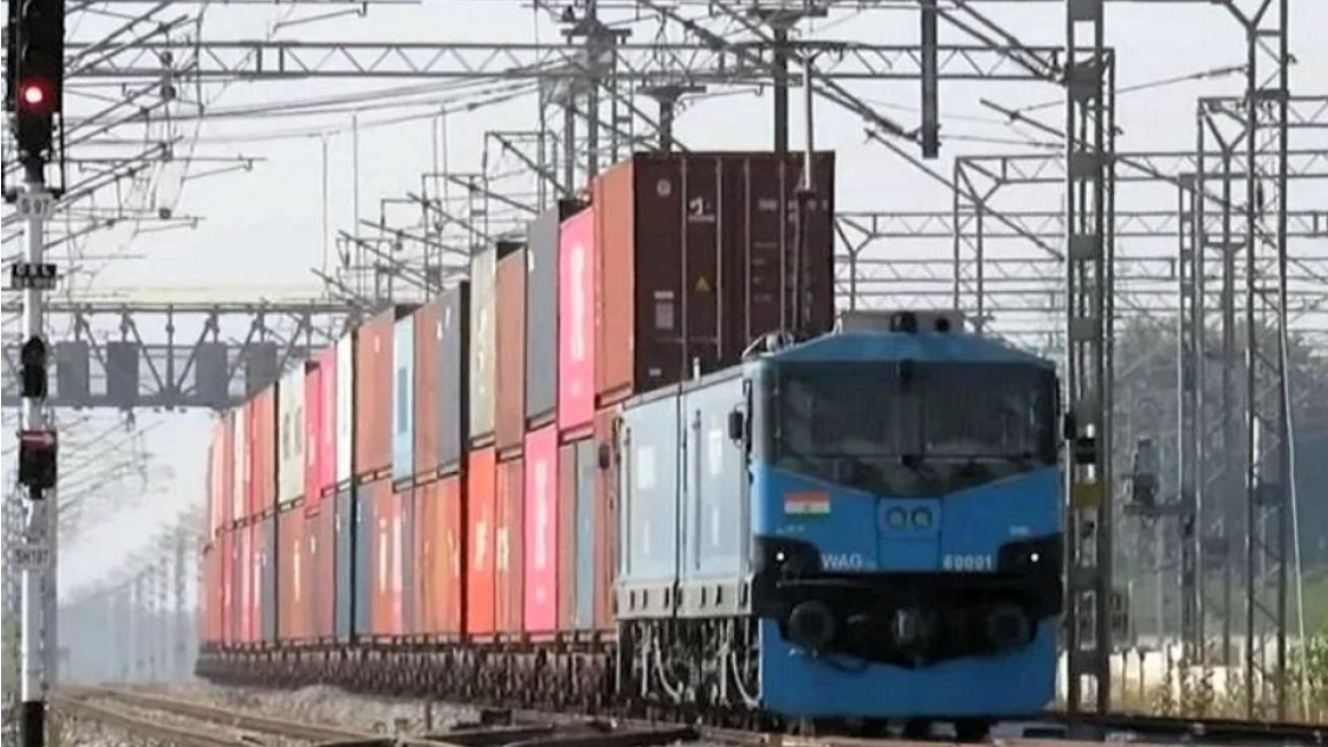
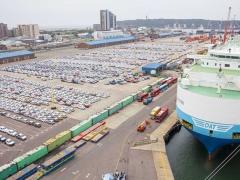
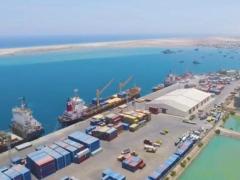
Serious concerns have been raised over provisions in the new Customs Control Bill that will require goods to be cleared at the first port of entry, effectively outlawing the concept of a through bill to City Deep. “Not only will this go against the current policy intention of the Department of Trade and Industry to gradually remove goods from road back to rail but will also have catastrophic consequences for the Port of Durban which is currently facing massive congestion problems as it is,” says Pat Corbin of the Johannesburg Chamber of Commerce and Industry. According to Sars’ legal department, the Control Bill requires that the goods be moved under cover of a national transit declaration to City Deep as opposed to a manifest as provided for in section 18 of the Customs and Excise Act, 1964. Effectively, the cargo must therefore be cleared at the first port of entry. And this, says Corbin, is the root of the problem. “Once you have an intervention at the port, the boxes will move inland by road rather than rail and the concept of a seamless transport move will be lost.” Sars points out that section 18 was drafted in an era when customs declarations were paper based. “International trade operates in an electronic environment where information is available in advance. From a Sars perspective minimum information is required to properly manage risk and control the movement of goods across the Republic’s borders.” Sars has invited Business Unity South Africa to forward in writing its concerns and requested that the submission include international best practice relating to customs clearance procedures for goods destined to inland ports as envisaged by Busa. Comments were due on May 23. Business has suggested that before any policy decision on the matter is taken, research be undertaken through a crosssector study to gain a better perspective on the possible consequences of the content of the Customs Bill on trade flows, especially in view of modernisation. The study, it suggests, could also address concerns related to fraud at inland ports. Government has pointed out that the main objectives of the Control Bill are to control goods moving across our borders. “The security of the supply chain plays an important role to avoid diversion or smuggling of goods,” a spokesman said. “It is not the intention to clog up the ports but to facilitate the seamless movement of legitimate trade. If the required information is available to achieve this objective the goods will be released to be moved.” Corbin however believes that the legislation would further tarnish South Africa’s reputation as a trusted trading partner. “Business recognises that the main objectives of the Customs Control Bill are to facilitate the seamless movement of goods through dedicated control areas as listed in the Bill. “The current document will however effectively prohibit goods from travelling seamlessly and being manifested to and from an inland port such as City Deep. This will result in further congestion and bottlenecks facing the likes of Durban.” The Customs Bill should strike a balance between the interests of security and trade facilitation, says Corbin. If the Bill is passed in its current format, he believes Transnet Freight Rail will lose even its existing business. Ultimately, he points out, it’s the consumer who will yet again foot the bill for increased logistics costs.
New Customs bill raises red flags
Comments | 0