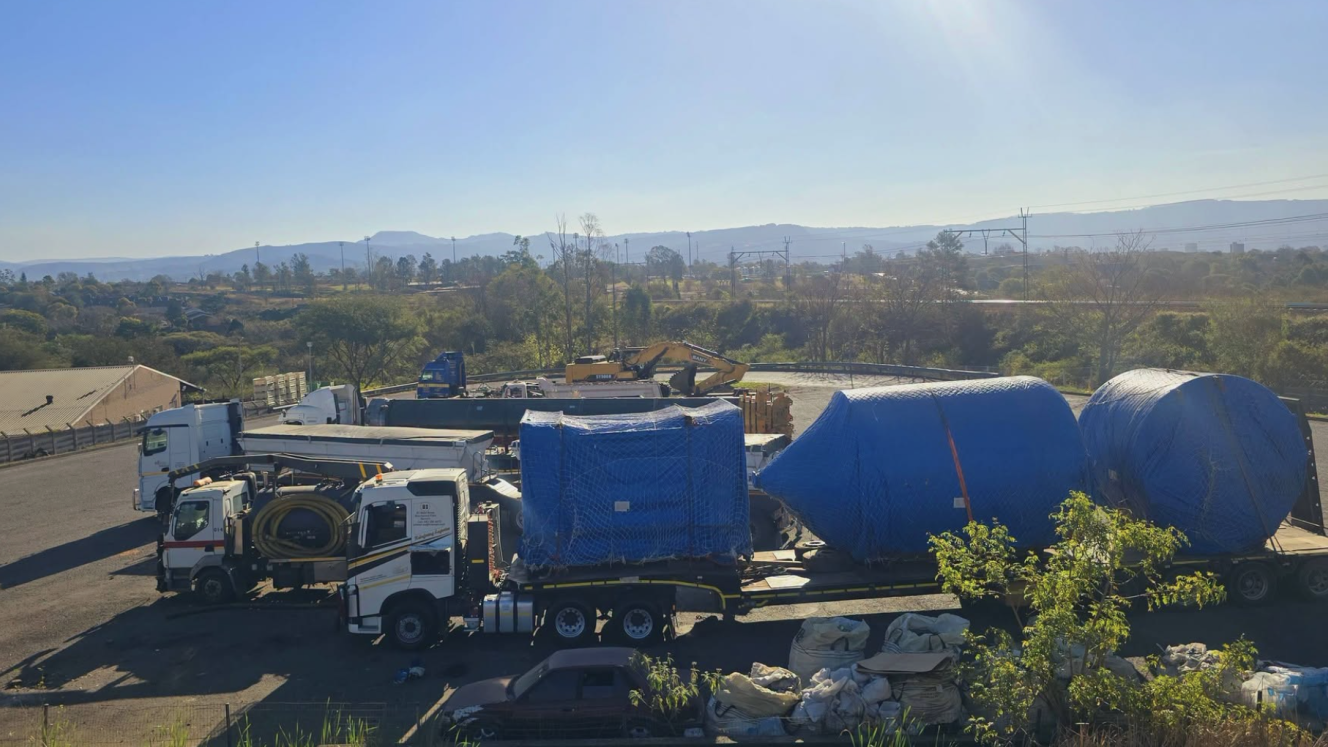
Increasing containerisation of cargo in the West African market, which is supported by investment in container infrastructure both inside and outside the ports, is not diminishing the contribution of multipurpose (MPP) operators, according to Pamela Yerushalmy, Safmarine MPV line manager for the South Africa- West Africa (Safwaf) trade. “Containers have always been an important contributor to our bottom line and form an integral part of our product offering into West Africa, especially for those customers who prefer to have containers shipped directly into niche ports,” she says. “For example, our direct product into Matadi (at mouth of Congo River) is an important option for shippers of containerised IMO 1 cargo, and cargo that does not accommodate transhipment dwell times in tropical conditions very well.” Multi-purpose operators also offer the convenience and peace of mind of shipping multiple consignments (both breakbulk and containers) under one bill of lading and on a single vessel, she added. “These multiple consignments are often made up of a number of pieces in varying shapes and sizes and many shippers prefer the security of shipping these items together on one vessel. The possibility of shipping multiple consignments helps to limit risk, assists in reducing downtime and can reduce cost and administration time at both ends,” says Yerushalmy. These include cargoes such as tanks for the oil and gas industry or machinery for the mining industry which are shipped as breakbulk together with smaller items (spare parts for new or current consignments, pre-fabricated modules and tools) that can be consolidated into containers, she added. “This ensures the entire consignment arrives at the final destination simultaneously.” Safmarine MPV’s Cape Town-based owner’s representative, James Lewer, points out that multi-purpose operators usually deploy self-geared vessels, reducing exposure to equipment breakdowns at the ports during container load and discharge operations. “For us the operation of containers also means increased deck utilisation and relatively quick operational productivity, which all helps in reducing our cost base." He says there's also been positive feedback from customers for berthing at alternative multipurpose terminals in South Africa. “These terminals tend to have lower traffic, less frequent instances of trucking and berthing congestion and importantly, the multi-purpose terminal gives customers more choice. “In addition, the nature of our service allows us to serve ports that are not regularly served by the container carriers, for example, Port Gentil or Sao Tome, which adds to the options.” Although container operators have the advantage of offering more frequent sailings into West African container ports, Lewer says feedback from customers has indicated that “frequency is seemingly not the ‘be-all and end-all’ of the container market from South Africa into West Africa and that choice of product is valued. “While it is possible that the ongoing containerisation of Africa could result in multi-purpose operators losing some of their business to container carriers, we believe that by offering the marketplace a regular and reliable service there’s still plenty of cargo left to develop and carry." INSERT & CAPTION 1 Containers have always been an important contributor to our bottom line and form an integral part of our product offering into West Africa. – Pamela Yerushalmy INSERT & CAPTION 2 The nature of our service allows us to serve ports that are not regularly called by the container carriers, for example, Port Gentil or Sao Tome, which adds to the options. – James Lewer CAPTION Multimodal vessels keep trade moving to the African west coast.
Multipurpose operators keep cargo moving in West Africa
Comments | 0
© Now Media. This content is protected by copyright and may not be adapted or republished. If you would like to discuss cooperation opportunities, please contact: editor@freightnews.co.za.