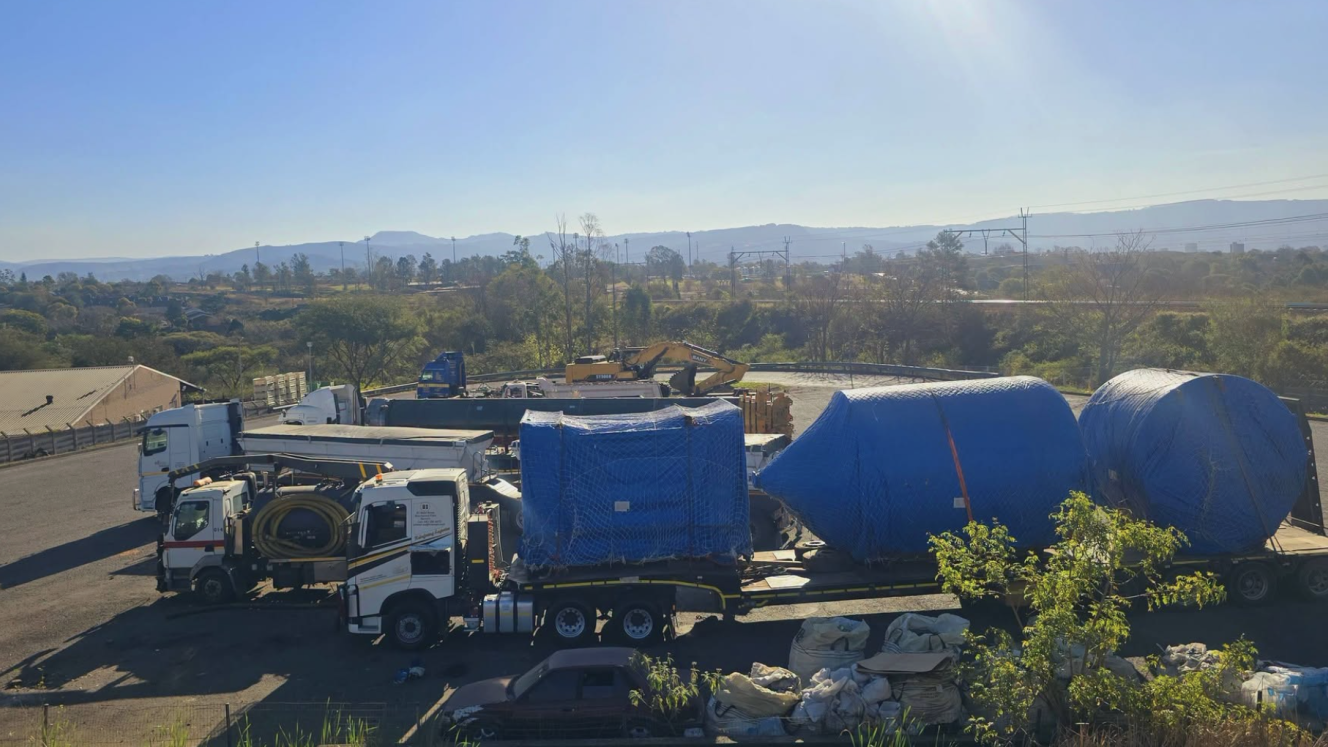
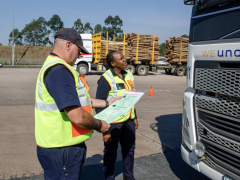
In Ghana any service provider entering the country has to pay a fee of $150 000 that ensures them an operating permit. While some may call this a legitimate fee instituted by the government in a transparent way, others consider it nothing more than another form of corruption – often one of the biggest stumbling blocks on the continent. Dealing with issues of compliance in Africa can be taxing on multinationals that operate according to strict codes of conduct. According to Bill Leader, head of ocean freight UTi, what is considered “the need for compliance” in many African countries is often nothing more than corruption and bribery. “There is far greater transparency in Africa today and major inroads have been made in terms of corruption, but it remains as challenging as dealing with the politics. One needs to be acutely aware of what is happening on the political front at any point in any country in which you are operating.” Elizabeth Adade, logistics trade and compliance manager for Baker Hughes in Ghana, says corruption remains the elephant in the room that no one wants to address. “Fees, permits, licences are what some countries call it, but what they call compliance can easily be seen as corruption. There is no justification for why they exist and the costs incurred are excessive,” she said. And while many operators are managing to sign deals with governments who have realised the benefit of projects, service providers are having a tougher time as they are the ones hit by the duties and taxes. Both Leader and Agade say Africa is capital-intensive. “You cannot hire a building for your offices. In all probability you are going to have to renovate one – and anything that you bring into the country is going to do so at duties of 40% plus,” said Agade. Multinationals who have to answer to a European or American head office, however, sometimes find it difficult to explain some of the costs. “Explaining why an abnormal truck is suddenly having to pay excessive fees for being overloaded when 20km back it was not is not that easy,” said Adade. “Africa is going to have to make it easier for multinationals to do business here and also more costeffective. At the same time African countries are going to have to be patient and invest in the skills transfer of their people because while one understands the need for local hire, much of the equipment that is brought in and operated on projects is not only expensive, but sometimes takes a year to make. You cannot just have anyone working with this kind of equipment.” Leader said while massive inroads had been made to date, there was still a long way to go. CAPTION Bill Leader and Elizabeth Adade … ‘Service providers are the ones hit by the duties and taxes.’
Multinationals slate excessive 'compliance' fees
Comments | 0
© Now Media. This content is protected by copyright and may not be adapted or republished. If you would like to discuss cooperation opportunities, please contact: editor@freightnews.co.za.