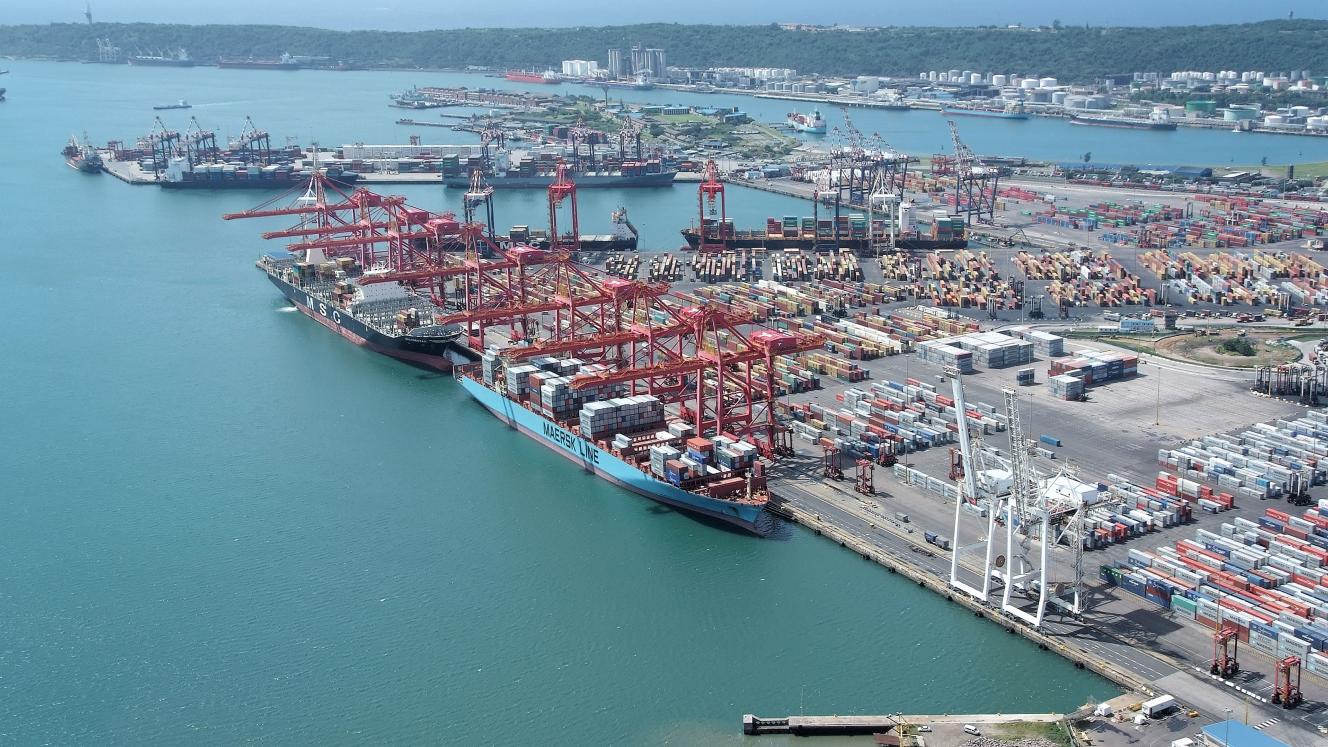
Transnet National Ports Authority (TNPA) will soon announce winners of a bid for a mega project to deepen and lengthen berths at Durban Container Terminal (DCT): Pier 2 after it put the multi-billion rand Main Marine Construction Works package out to tender last month.
This followed the two environmental approvals secured from the Department of Environmental Affairs (DEA) last year for marine and landside works. The tender process for the landside works will follow at a later stage.
TNPA chief executive, Richard Vallihu, said: “The continued investment in infrastructure and modernisation of our flagship Port of Durban is pivotal in meeting the ever-increasing demands of the maritime industry, in particular the ever-increasing size of container vessels pulling into our ports.”
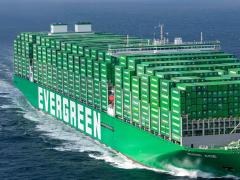
He explained that the increased size of container vessels calling the Port of Durban had resulted in DCT: Pier 2 berths now operating beyond their original design specification with regard to water depth.
“DCT: Pier 2 handles approximately 65% of the total containerised cargo of South Africa and is the main link to the country’s industrial and economic hub, Gauteng. It is estimated that the demand through the Port of Durban is expected to grow from 2.5 million TEUs to 3.5 million TEUs over the next 10 years,” said Vallihu.
He pointed out that the overall R7-billion project aimed to improve efficiencies and reduce costs for vessels calling at the port by deepening Berths 203, 204 and 205, as well as the basin and approach channel, from 12.8m to 16.5m.
According to Vallihu, the effective berthing length will be increased from 914m to 1210m, to safely accommodate the simultaneous berthing of three Super Post Panamax vessels of 350m in length with a draught of 14.5m.
Currently Super Post Panamax vessels take up two berths on the North Quay which decreases port capacity. In addition, large vessels requiring a deeper draft than 12.2m can only enter the channel at high tide, resulting in delays. Increasing the draft will enable vessels to enter at any time, reducing the queue of vessels waiting at anchorage to enter the port.