The development of a second
container terminal at the
Port of Mombasa in Kenya
is progressing well with the
second phase of construction
set to begin in July.
The first phase of the
development, which will
increase container handling
capacity at the port to a
whopping 2.6 million TEUs,
has already been completed.
According to Patrick Nyoike,
general manager of finance at
the Kenya Ports Authority, the
development is part of a longer
term vision of the country
to grow container volumes
and to increase hinterland
connectivity.
“We have seen impressive
growth at the port with
container traffic having risen
from around 500 000 TEUs in
2007 to more than a million at
present. This is a growth rate
of more than 100%,” he said.
Construction of a second
container terminal at the port –
a project that comprises an area
of 40 hectares – was well under
way with the first phase already
in operation since April last
year, he added.
“The second phase is
currently at the design stage,
but we hope to break ground
in July this year. This phase is
expected to bring additional
capacity of 450 000 TEUs
while the third phase will add
another 450 000 TEUs.”
Nyoike said 550 000 TEUs
of capacity had been added
during the first phase of
construction.
“Our latest traffic forecast
indicates that throughput at
the port will rise from 27.3
million tons in 2016 to 30.4
million in 2018. Container
traffic is forecast to grow from
the 1.091 million TEUs in 2016
to 1.2 million this year.”
He said the port
authority was aiming to
create a regional transit
and transhipment hub by
no later than 2018 and all
developments were geared
towards this.
Other developments in
Kenya include the construction
of the Lamu Port which is
currently about 20% complete.
“The administration block
has been completed, but
dredging is ongoing. The port
authority is keen to partner
with terminal operators and
other stakeholders around this
port development which is set
to be commissioned by no later
than 2020.”
He said Lamu would be a
deepwater port. “Currently
the plan is to have three
berths with a draught of
18 metres. It will have the
capacity to handle some of
the larger vessels and is an
opportunity for East Africa
to grab some of this traffic
as many of the African
ports simply do not have the
facilities for the larger TEU
vessels.”
He said the port would
ultimately have 23 berths but
this was part of its long-term
strategy.
CAPTION
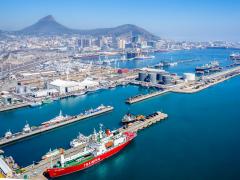
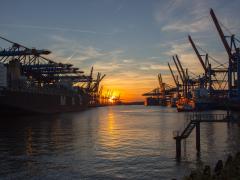
The Port of Mombasa ... aiming for regional transhipment status by 2018.
Mombasa’s second terminal on track
Comments | 0
© Now Media. This content is protected by copyright and may not be adapted or republished. If you would like to discuss cooperation opportunities, please contact: editor@freightnews.co.za.