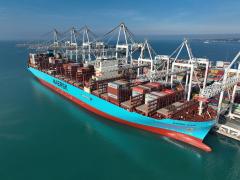
Shipping lines will accept responsibility for their mistakes – true or false? That’s a question posed by Hariesh Manaadiar in his Shipping and Freight Resource blog, and one which FTW has investigated amongst a range of shipping specialists. The question arose in a case study that is raging in one of the social media forums. A forwarder booked two 20-foot containers with a shipping line to Doha on behalf of his client. Due to a mistake by its staff, the shipping line shipped 1×20′ to Doha and put the other with another client’s container – and shipped it to Bremerhaven. By the time the forwarder found this mistake, the container was already on its way to Bremerhaven. The shipping line has advised that the container will be rerouted but the container will take about 60 days to reach Doha instead of the original transit time of 20 days if it had gone directly. Due to this delay, the forwarder has lost his client (the shipper), because the shipper blames the forwarder, the shipper has lost future orders with his client and has lost his credibility in the market. When the forwarder placed the shipping line on notice and raised a claim against it, the shipping line tried to hide under its bill of lading clauses (See box on pg 11). “The hapless freight forwarder is left without a solution,” said Manaadiar, “as the shipping line is rejecting his claim for delayed delivery and loss of current and subsequent business of their client while the shipper is blaming the freight forwarder for the mishap and is expecting it to sort out the problem.” Now Manaadiar thought that the forwarder had a valid case, as the delay was due to the shipping line making the mistake, so FTW posed this question to our group of specialists. “I think the carrier has a strong case for rejecting the claim in contract law, given the wording of the bill of lading (B/L) clauses,” said Mike Walwyn, director of Seaboard Maritime and national vice-chairman of the SA Association of Freight Forwarders (Saaff). “However, I would think the forwarder has a strong claim in delict, given that it is a generally accepted principle CAPTION: The case of the rerouted container .. does the forwarder have a leg to stand on?
Misdirected container raises liability issues
Comments | 0
© Now Media. This content is protected by copyright and may not be adapted or republished. If you would like to discuss cooperation opportunities, please contact: editor@freightnews.co.za.