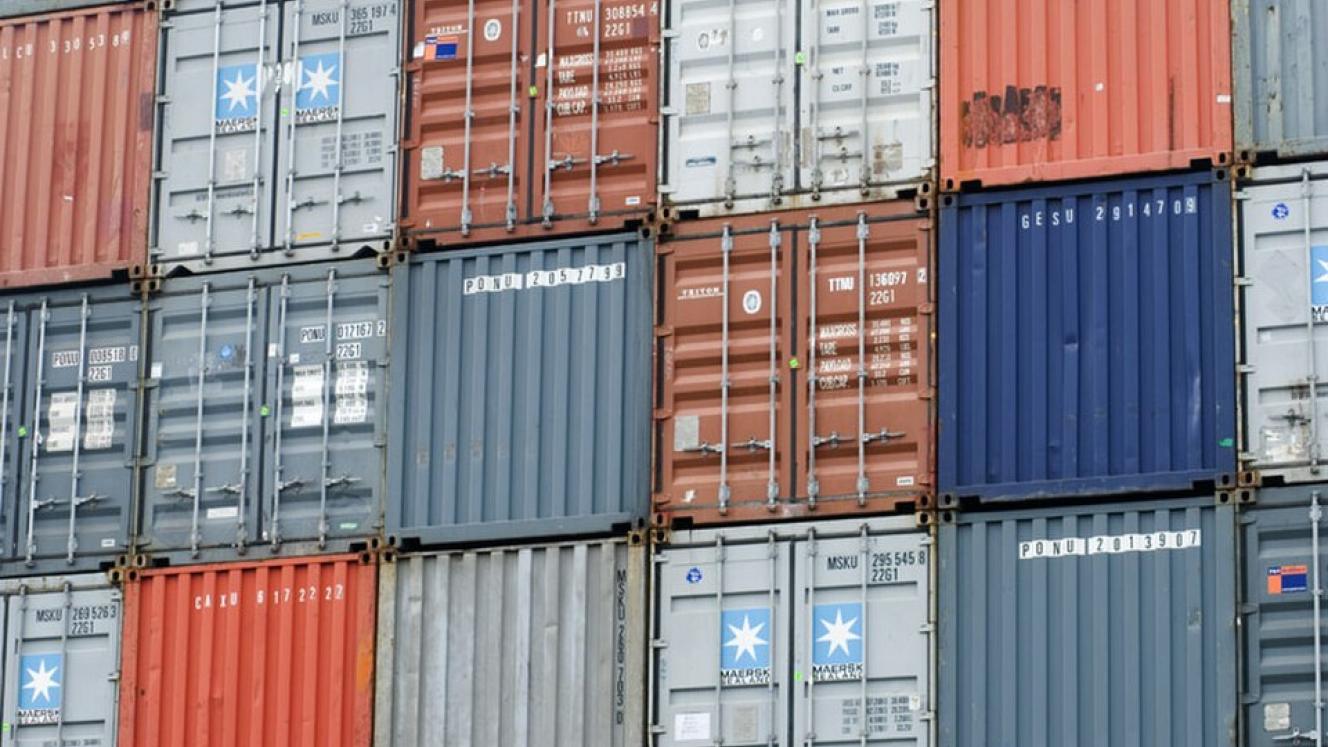
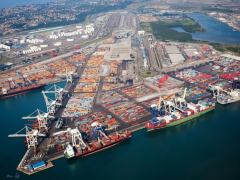
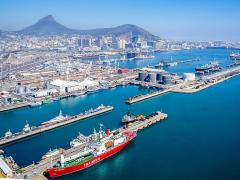
Seemingly neglected by the parastatals and national government, East London is retaining and growing its economic base through a number of partnerships between the private and public sectors. Business and the local and provincial authorities have combined forces to lobby Transnet to invest in the rail and port infrastructure serving East London, as well as the neighbouring povertystricken former homelands of Transkei and Ciskei. They have an ally in Public Enterprises Minister Malusi Gigaba who questioned during an ANC lekgotla in East London why Transnet was planning to spend just R3 billion of its projected capital budget of R110.6 billion over the next five years in the Eastern Cape – a province with three ports. Efforts to breathe life into the local economy are stifled by the high logistics cost of moving agricultural and manufactured products in and out of the region. The literal “driver” of the economy is Mercedes Benz South Africa. Its East London assembly plant will be one of three in the world to assemble the next C-Class sedan model. They are expected to start rolling off the assembly line in 2014. Transnet has invested R45m in dredging the river next to the terminal to a depth of 11.5m (previously 9m) and adding 1200 parking bays, and will upgrade its container terminal to cater for the volumes generated by the new model. However, the majority of cargo bound for East London now moves by the increasingly potholed roads from Port Elizabeth and Durban. Although Tier 1 and 2 suppliers for the new Mercedes model are expected only to be finalised early in 2012, East London IDZ CEO Simphiwe Kondlo says a number of multinational components companies have already made inquiries about moving into the zone. The IDZ has 192 hectares of space for factories, of which 35 ha is currently in use. Several of the 22 companies are in the IDZ’s auto supplier park. Kondlo says automotive companies will remain the IDZ’s core tenants for the foreseeable future. The IDZ is targeting Chinese, Indian and Korean importers that do not have the volumes to justify their own plants to make use of East London’s shared assembly plant for local assembly.
Mercedes drives East London economy
Comments | 0
© Now Media. This content is protected by copyright and may not be adapted or republished. If you would like to discuss cooperation opportunities, please contact: editor@freightnews.co.za.