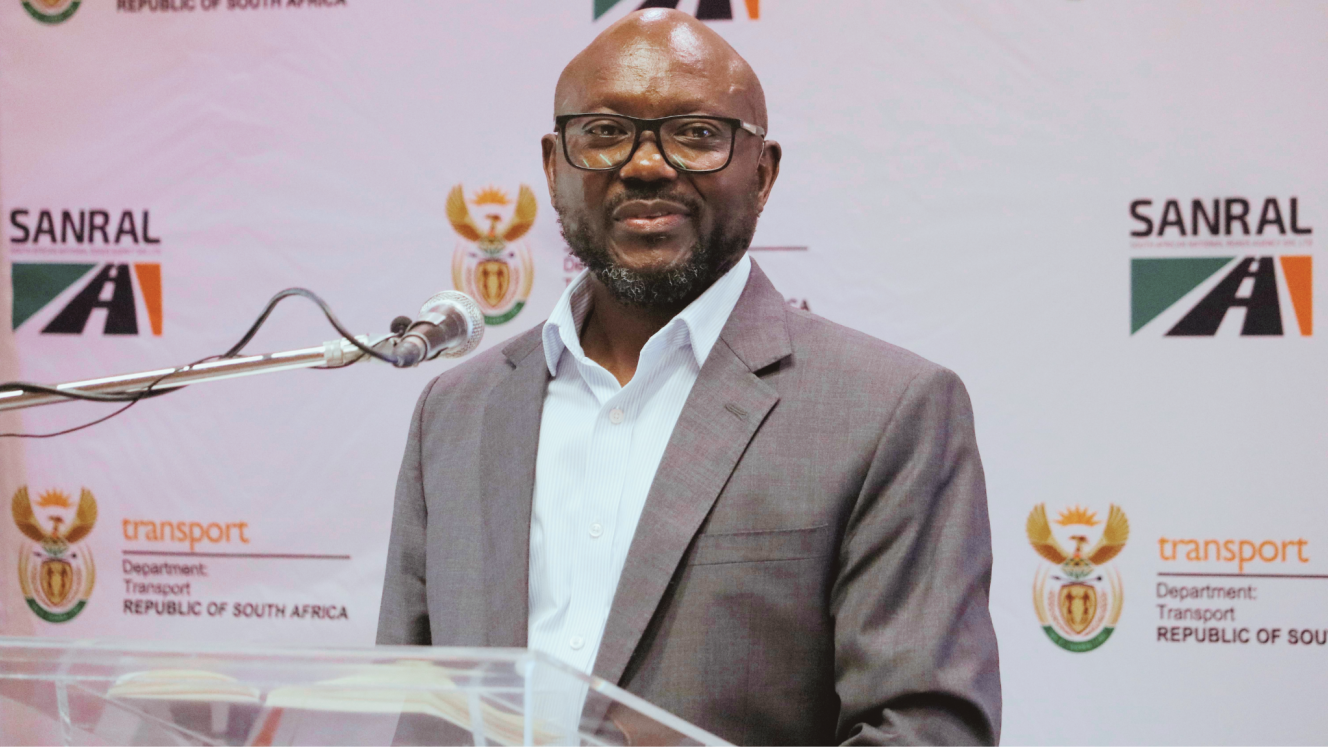
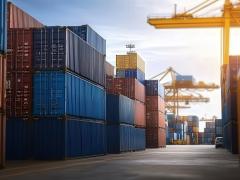
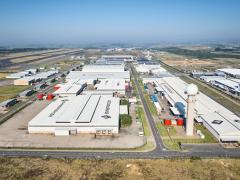
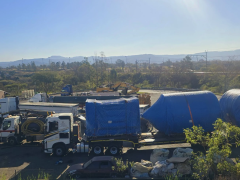
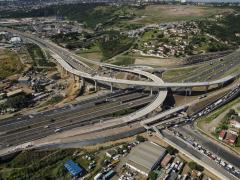
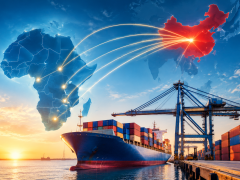
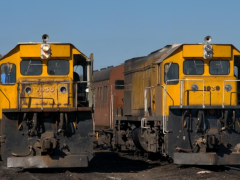
Over the next 10 to 20 years expenditure to address Africa’s infrastructure shortages is expected to amount to $174 billion. This is a clear indication that the continent realises that to benefit from increased interest from abroad infrastructure upgrades will have to be increased. “Currently there are 26 rail and 61 road projects on the go valued at a combined total of $15 billion,” says James Fungai Maposa, consulting manager industrial for research house Frost & Sullivan. “Improving the continent’s transport infrastructure is ideally a function of Africa’s economic building blocks. A majority of the African economy is accounted for by natural resources extraction, followed by agriculture. Both of these industries require the production and transportation of bulk commodities.” With a large portion of these goods sold to export markets in Asia, Europe and North and South America it becomes clear that it is important for Africa to have an efficient transport system that moves goods to export ports and terminals at a low cost. “In addition, intra-regional trade is also expected to rise during the medium- and longer-term. The transportation of mineral commodities, agricultural and retail goods across the continent also warrants investment in transport infrastructure,” says Maposa. According to Paul Runge, managing director of Africa Project Access, there is a definite focus on infrastructure across the continent. “We are seeing projects go up all the time. Not only in the transport sector but also when it comes to power and water there is much work being done.” Runge and Maposa are in agreement that Southern Africa is leading the transport infrastructure investment. “The discovery of expansive mineral commodities within the region (Mozambique, Botswana and Zimbabwe) has resulted in government partnering with the private sector to invest in the necessary infrastructure to transport the mined goods to export ports in Mozambique and South Africa,” says Maposa. “East Africa has also committed to upgrading its transport infrastructure, driven by recent oil, gas and other natural resource discoveries in Kenya, Uganda and Tanzania.” When compared to Southern and East Africa, West and North Africa will lag behind in corridor development and implementation with most of the announced projects expected to be commissioned during the 2030s, he says. While countries have realised the value of investing in infrastructure, there has also been a realisation that political stability is a must. “Most African nations are committed to becoming more politically stable over the next few years,” says Maposa. “Potential rewards such as sustained economic growth are factors that have compelled ruling parties to maintain political stability. But despite these commitments, political stability is threatened by wealth inequity, which often results in civil unrest within countries where there is a sizeable wealth differential. This implies that, although most nations are committed to political stability, a key issue that needs to be addressed is reducing the wealth gap through investment in education and up-skilling the populace within respective nations.” Maposa predicts that if the continent’s wealth gap is not addressed, the risk of civil unrest will always prevail. INSERT & CAPTION The discovery of expansive mineral commodities has resulted in government partnering with the private sector to invest in the necessary infrastructure. – Paul Runge INSERT $174bn Predicted expenditure to address Africa’s infrastructure shortages over the next 10-20 years.
Massive infrastructure expenditure on the cards
Comments | 0
© Now Media. This content is protected by copyright and may not be adapted or republished. If you would like to discuss cooperation opportunities, please contact: editor@freightnews.co.za.