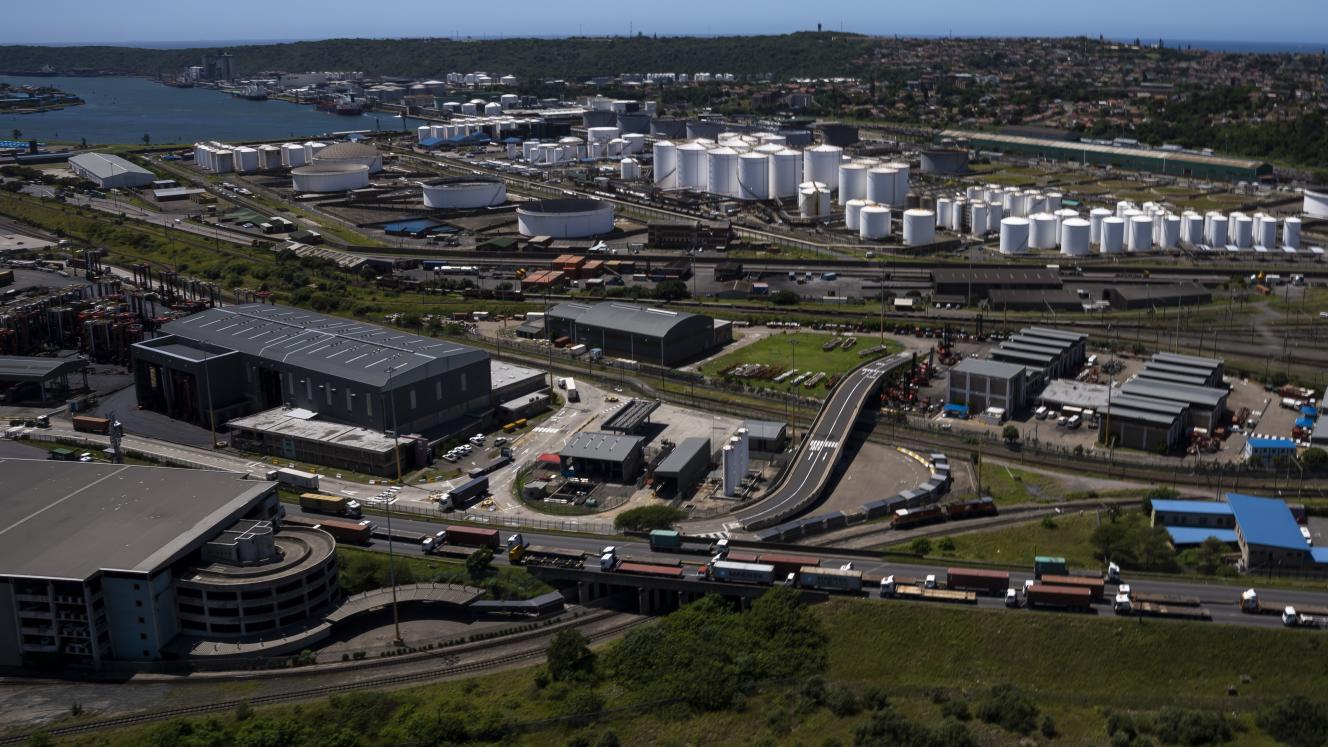
Consistent growth in volumes along the Walvis Bay Corridors has laid the foundation for diversification within the Namibian economy. A total of 682 333 tons of cargo was moved along the Walvis Bay corridors in the 2011/2012 financial year – a growth of 240 000 tons from the previous financial period. The Trans-Kalahari Corridor, which connects the Port of Walvis Bay with the Botswana, South African and Zimbabwean markets, experienced 115% growth. The Walvis Bay-Ndola- Lubumbashi Development Corridor, which connects the Port of Walvis Bay with the Zambian and the DRC markets, showed 75% growth. Growth of 29% was experienced on the Trans-Cunene Corridor, which connects the Port of Walvis Bay to Angola, according to Agnetha Mouton, marketing and communications officer for the Walvis Bay Corridor Group (WBCG). National government has recognised the potential of transport as “a sector with the most potential to create jobs,” she says. Studies have been commissioned to develop bankable projects along the corridors in order to stimulate job creation within Namibia. Logistics-related opportunities will include warehousing, storage, container stuffing and destuffing, and intermodal hubs, amongst others, says Mouton. “The objective is to transform the transport corridors into economic development corridors,” she says. CAPTION Namibia’s road system connects neighbouring landlocked countries to the port of Walvis Bay.
Massive corridor growth lays foundation for diversification
Comments | 0
© Now Media. This content is protected by copyright and may not be adapted or republished. If you would like to discuss cooperation opportunities, please contact: editor@freightnews.co.za.