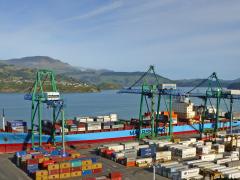
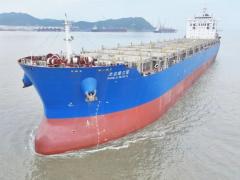
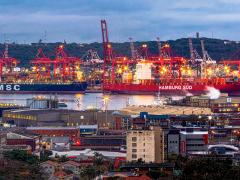
The first dedicated weekly Specialised Reefer Ship (SRS) service carrying citrus out of the Port of Maputo to Northern Europe, the UK and Russia could be launched as early as April/May next year if all goes according to plan. That’s the word from Citrus Growers’ Association logistics development manager, Mitchell Brooke, who told FTW last week that there was a real chance of loading a full ship a week out of Maputo next season. “Given the problems faced in Durban, a renewed focus on Maputo is considered important,” said Brooke who recently visited Baltic Shipping in St Petersburg and Seatrade in Rotterdam to discuss the option. “These companies formed the Reefer Alliance group earlier this year and cooperate by consolidating shipments to Northern Europe, UK and Russia on a shared pool of vessels. Through this alliance and a partnership with producers and exporters the dedicated service in Maputo could become a reality, with product getting to markets a full 10-14 days ahead of containers shipped from Durban,” said Brooke. The SRS vessels will generally have capacity for 50 FEU reefers on deck and 5 000 pallets underdeck. The Maputo Citrus Corridor – extending from Swaziland, Onderberg, Nelspruit, Karino, Hoedspruit to Letsitele – produces and exports 0.6 million tons of citrus annually, 90% of which is currently being transported to the Port of Durban for export – on average an additional 460kms, said Brooke. With a 10% increase in citrus production in the northern areas this year, and bearing in mind congestion, bottlenecks and inefficiency in Durban, Maputo makes logical sense for the northern region. But there are several reasons why Durban is the favoured option – largely related to cost and shipping access to markets. There are limited container options from Maputo to key citrus markets while the costs of transporting to Maputo and Durban are not in line with the geographical location of the port in relation to production, says Brooke. “In most cases, producers can transport to Durban at a lower cost base than Maputo." In a nutshell, until now it hasn’t been possible to load a complete SRS vessel from a single port because exports for Europe, UK and Russia have been loaded independently. This meant a vessel would call multiple ports to consolidate cargo. But all this could change next season. The SRS Reefer Alliance could load one vessel per week, serving Maputo independently of its Durban, PE and Cape Town calls. “To make it financially viable for shippers and to increase demand, a dedicated SRS service from Maputo should make it possible to receive a US$15 per pallet freight rate reduction in the SRS EU tariff based on a full load from Maputo," said Brooke. This is however still to be negotiated by shippers directly with the Reefer Alliance partners, Seatrade and Baltic Shipping. Brooke believes it’s a winwin for all stakeholders. Growers can potentially capitalise on lower export costs and speedier transit to markets while SRS shipping lines trading in SA can combat the threat from containerisation into Europe, UK and Russia. But implementation of the service will depend on shippers heeding the call made by the CGA. This won’t cut down on Durban volumes, says Brooke, because there’s a significant volume of citrus coming from the northern areas which is likely to increase. INSERT & CAPTION Products could get to markets a full 10-14 days ahead of containers shipped from Durban. – Mitchell Brooke CAPTION The Port of Maputo ... real chance of loading a full SRS vessel a week out of the port
Maputo citrus breakthrough
Comments | 0
© Now Media. This content is protected by copyright and may not be adapted or republished. If you would like to discuss cooperation opportunities, please contact: editor@freightnews.co.za.