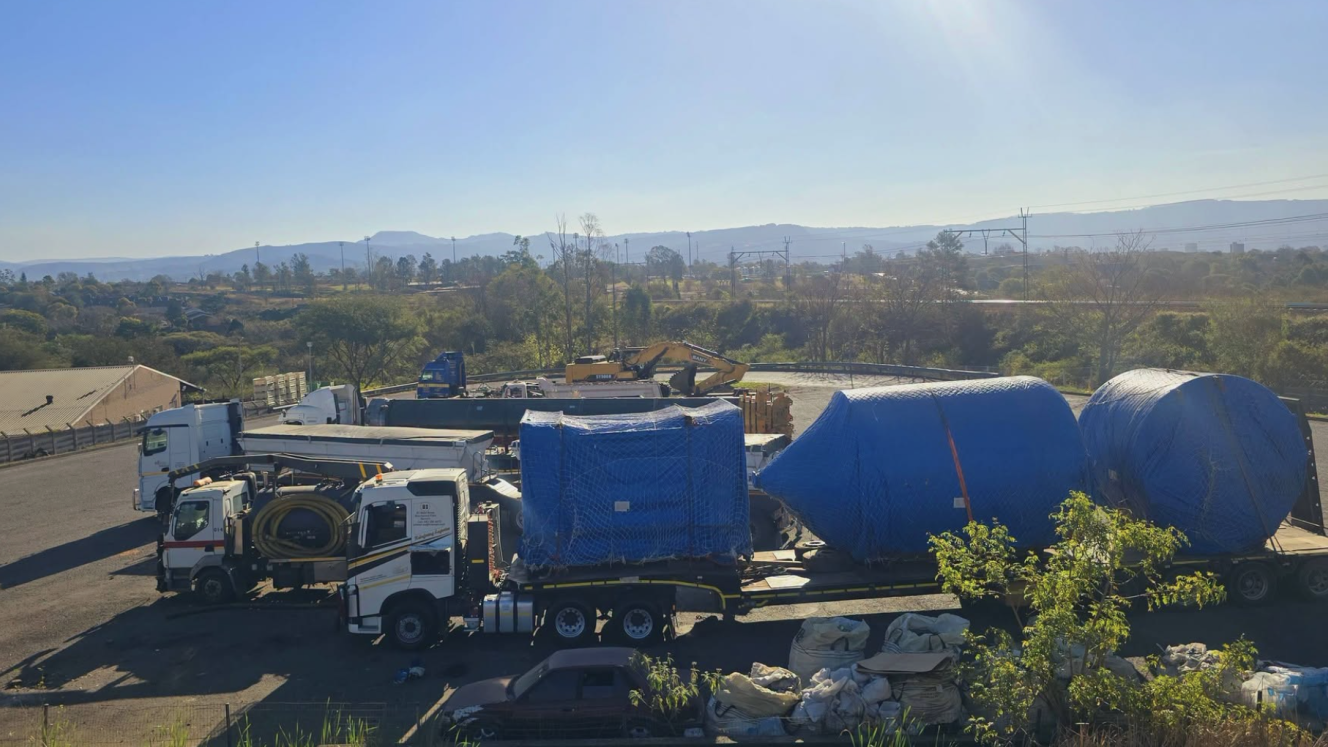
Talk on the Zambian Copperbelt quickly turns to the opportunities just over Kafue River which forms the border between Zambia and the Democratic Republic of Congo (DRC). The capital of the Katanga province and second-largest city in the DRC is the new El Dorado of central Africa. Like the legendary city of El Dorado, it has gold. But, there is much more. Best known for the copper mines, the area also produces cobalt (with half the world’s known reserves), diamonds, zinc and manganese. It has estimated reserves of five million tons of cobalt, and 6 m tons of zinc. The 70 m tons of copper reserves put the region behind Chile, which has reserves of 88 m tons. However, the DRC's deposits are of superior quality, yielding an average 3.5% copper compared with Chile's 0.5%. All of which make for rich pickings for both miners and logistics suppliers, without which no industry can survive. The DRC is seen as the next big opportunity in Africa for the logistics industry, with the initial focus being on the pot of gold that is most accessible from Zambia. Lubumbashi has undergone a demographic and economic transformation over the last 10 years, with a doubling of population to around 1.5 million. By 2020, the city’s population will double to more than 5m, according to the United Nations. The growth is supported by diversification of the economy. Manufactures include textiles, food products and beverages, printing, bricks, and copper smelting. The city is home to the Simba brewery, which produces Tembo beer. It is served by a daily newspaper. Lubumbashi also hosts the headquarters of one of the country's largest banks, Trust Merchant Bank. Korongo Airlines, a joint-venture between Brussels Airlines and the multinational Groupe George Forrest International Afrique, has its head office in Lubumbashi. The airline introduced a Johannesburg- Lubumbashi service in April 2012. Some of the larger mining companies in the area include Anvil Mining Congo SARL, First Quantum Minerals, Kababankola Mining Company, Tenke Fungurume, Ruashi Mining, Somika, Freeport-McMoRan Copper & Gold and Glencore International. The city’s rapidly growing population needs to be housed and fed. But, in contrast to many other cities in the region, Lubumbashi is growing its own rather than importing all its requirements. A Food and Agriculture Organisation (FAO) project has created a flourishing urban and periurban horticulture (UPH) sector. The area under horticulture has risen from less than 100 hectares to 725 ha. Market gardens ringing the city produce more than 60 000 tons of vegetables a year. This still creates business for the logistics supply chain as fertilisers and farming equipment is mostly imported, and must of necessity travel through Zambia. Rapid growth and urbanisation come at a cost in terms of stability. In April this year the city was invaded by Mai-Mai Bakata Katanga secessionists, followed by fighting which left 35 dead. South African troops are part of the United Nations peacekeeping force in the eastern Goma province. The city of Goma is around 1600 km from Lubumbashi. No one said life would be easy in El Dorado. The DRC is currently ranked 181st out of 185 countries on the World Bank’s Ease of Doing Business index. Zambia is ranked 74th. Logistics providers are opting to retain their base in Zambia. Mines are also storing chemicals and other supplies in Zambia – which has created a demand for warehousing on the Copperbelt and as far south as Walvis Bay. INSERT The DRC is seen as the next big opportunity in Africa for the logistics industry, with the initial focus being on the pot of gold which is most accessible from Zambia. CAPTION Hakuna Matata (No worries): The banner on the back of this Congolese truck making its way through Ndola says it all.
Lubumbashi the new El Dorado
Comments | 0
© Now Media. This content is protected by copyright and may not be adapted or republished. If you would like to discuss cooperation opportunities, please contact: editor@freightnews.co.za.