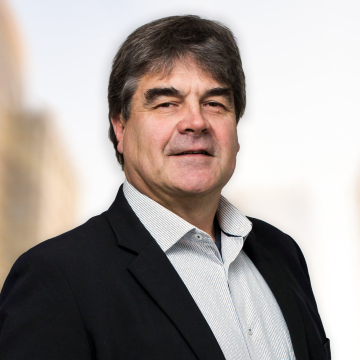
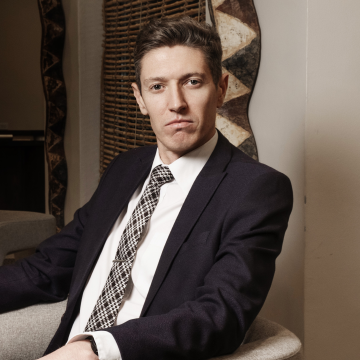
While restful visions of full ships, no debt and robust bottom lines will elude ship operators for a while yet, AP Moller-Maersk, world’s largest container shipping group, realises full well a key component in the road back to profitability is forging longterm customer contracts. None of this three-month, six-month stuff, but three of even more years, is the symbiotic thinking of Eivind Kolding and Tomas Dyrbye, CEOs of Maersk Line and Safmarine respectively. Kolding, speaking at the JOC Transpacific Maritime Conference in the USA recently, said long-term contracts were a more constructive alternative to shippers hedging rate fluctuations through the new-fangled container derivatives, “a potential casino,” in his view. He argues contracts (of the shorter kind) have tended not to be honoured historically and that longer-term contracts will enable the lines to improve reliability and reduce transaction costs for shippers. Apprised of Kolding’s California comments, Dyrbye, thousands of kilometers away in Cape Town on his second official visit to South Africa since assuming office recently, agrees emphatically. “Most of the customers I have spoken to at Safmarine also agree that volatility in the marketplace is a very big problem for all. ”In our industry, contracts don’t have that many legally binding commitments and what we are seeing in some instances is that when the market goes up customers stand firm on a rate but when it goes down, they suddenly don’t. “Many contracts are for perhaps three months, not even covering a full calendar year, and what we would like to see is contracts of one to three years, even longer.” The AP Moller-Maersk Group lost US$1 billion overall last year. Freight rates for the Group’s container activities were 28% lower than in 2008, resulting in a negative segment result of US$ 2.1 billion for container activities. Dyrbye is not telling how much Safmarine lost, though he concedes its losses were less than the considerably bigger Maersk Line. Safmarine’s new East Africa Mashariki Express service launched on March 2 is a clear acknowledgement that the line needed to up its service offering in the region but that is where it stops, certainly for now. “At this very moment, it’s about restoring profitability, so we don’t have any plans for West or South Africa. “We must be able to produce a profit this year and a decent profit next year.” The AP Moller-Maersk connection has clearly benefited Safmarine, volume growth since the takeover in 1999 up from 180 000 to 800 000 FFEs, which has enabled the carrier and the group to further stamp their presence on Africa, a core business. In the process, says Dyrbye, Safmarine has really become more of a global than a South African player. Indeed many decisions taken nowadays are of a global nature. A source of pride is the remarkable growth of the Safmarine newbuild fleet programme, seven ships slated for delivery this year and next, to swell the fleet to 27 owned ships by 2015. “A great achievement,” says Dyrbye.
Long-term contracts the key to carrier profitability
Comments | 0
© Now Media. This content is protected by copyright and may not be adapted or republished. If you would like to discuss cooperation opportunities, please contact: editor@freightnews.co.za.