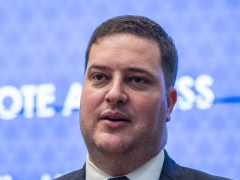
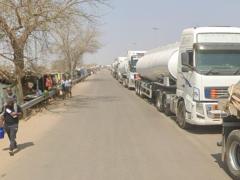
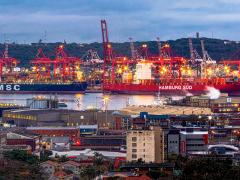
Being prepared for the unpredictable is one of the few constants in the logistics industry. And 2010 has provided its fair share of surprises – in the form of the volcanic ash cloud and the Transnet strike, which impacted both air and seafreight volumes. “It’s challenges like these that demonstrate the importance of networks, global partners, a delicate geographical split of trade routes, and the ability to make quick contingency plans,” says Neil Harris, managing director of logistics operator Freightit. While Freightit used the recent global economic slow down to focus on increasing back-office efficiency, servicing its customers and opening new strategic accounts in anticipation of recovery in the second quarter of 2010, in reality it was faced with the impact on airfreight volumes of the volcanic ash cloud and the crippling effect on seafreight volumes of the 17-day Transnet strike. “But through our set-up in Durban we delivered all 29 of our containers within a week of the strike being resolved.” As volumes have increased, airfreight rates have escalated through the roof on the China-SA route, says Harris. “Europe has also strengthened its rates as everyone tries to make up for lost time, particularly as the World Cup bolsters volumes into the country.” Streamlining processes through improved freight management systems is crucial – and part of the motivation behind Freightit’s recent investment in the Core Freight system. “It will further enhance speed of quotations, processing of EDI documentation and management information,” said Harris who told FTW the company would be looking for acquisition opportunities in the industry in the future.
Logistics operator hints at further acquisitions
Comments | 0
© Now Media. This content is protected by copyright and may not be adapted or republished. If you would like to discuss cooperation opportunities, please contact: editor@freightnews.co.za.