Russian military forces have taken control of the eastern Ukrainian city of Pokrovsk, a strategic logistics hub on the E50 supply chain link from Kyiv to Ukraine’s eastern border region of Donetsk.
The Kremlin’s announcement on December 1 that it had taken control of the heavily bombed-out city came after weeks of intense fighting.
Reuters reports that President Vladimir Putin had been briefed on the “liberation” during a visit to a frontline command post.
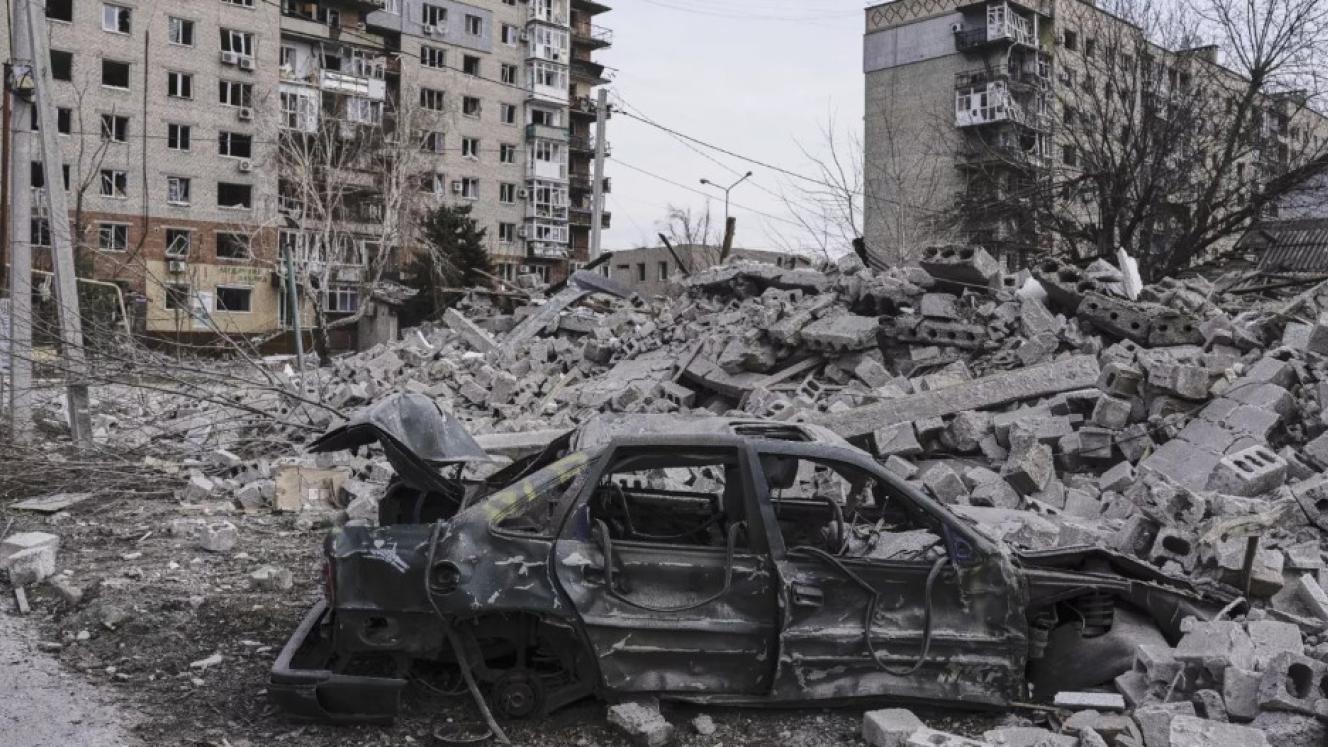
Moscow released footage it said showed Russian troops in the town, which had sustained significant destruction of its civilian infrastructure.
Russian commanders and state media framed the operation as a significant step towards securing supply lines and advancing on other strategic objectives in Donetsk.
Kyiv, however, has disputed Moscow’s claim. Ukrainian military sources and officials describe fighting in and around Pokrovsk as continuing and say their forces are still contesting parts of the town. Independent, on-the-ground verification of who controls the city in full remains limited amid ongoing hostilities.
Pokrovsk has been contested for months because of its logistical importance.
The town sits on important road and rail links that connect other front-line towns in Donetsk, and its capture – if confirmed and consolidated by Russian forces – would complicate Ukrainian supply and reinforcement routes in the region.
Before the recent offensive, observers warned that the city’s transport networks were already under severe strain from drone strikes, artillery bombardment and repeated attacks on lines of communication.
Analysts caution that the operational importance of Pokrovsk has been eroded by months of fighting: roads and railways in the area have frequently been disrupted, forcing Ukrainian commanders to adapt supply routes.
Nonetheless, control of the town would be tactically useful for any force seeking to press further into Donetsk and to interfere and potentially disrupt Ukrainian movements between nearby strongholds.
The fighting for Pokrovsk comes as international diplomatic activity intensifies. Western and regional actors are engaged in shuttle diplomacy aimed at de-escalation and possible negotiations even as battlefield events continue to shift.
Observers warn that claims on either side may be timed for political effect and that independent confirmation is essential before any definitive judgement about the city’s status can be made.
For now, the situation remains fluid: Russian officials describe a milestone, Ukrainian sources report active resistance, and reporters and analysts caution that control of towns in active combat zones can change rapidly.
Further independent reporting will be required to determine whether Pokrovsk is securely in Russian hands or remains a contested battleground.