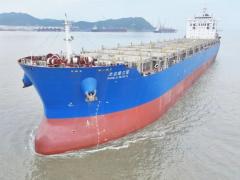
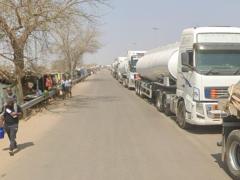
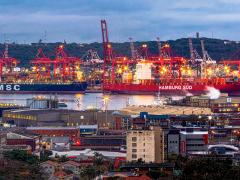
Most have heard the saying “Africa is not for sissies” - but more so when you plan to import heavy, bulky mining and rail equipment. Bradken, an Australian-based manufacturing business, figured as much despite surviving the great depression, two world wars and a financial crisis. An internationally recognised manufacturer of quality engineered products, the company saw much potential in growing its African operations but realised it would need a local presence. In February 2010 it opened its doors on African soil employing Africans to take the business forward on the continent. “The first rule of good importing is having the right people in the right positions – and that is why the office was opened with local people as they have the right knowledge and expertise,” says Pieter van Zyl, Bradken South Africa commercial manager. “Bradken is a customerfocused company, at heart committed to providing innovative products. To achieve that it is necessary to be close to one’s customer base at all times.” The South African office has seen rapid growth in the past year, showing the knack, much like its Australian mother-company, of being able to adapt and change its direction to suit market demand. Van Zyl says this is due in part to finding the right people for the job but also being in contact with customers at all times. “An example in point was a recent contract for tracks that we signed with a mine in Botswana. Once we had visited the mine we realised that the order would have to be amended as the wrong type of tracks had been purchased for the terrain on which they would be used.” From the beginning, the family orientated company developed a commitment to research and development. This can be seen in its South African operations. “We believe in using well-qualified and experienced technical specialists,” says Van Zyl. “It is important to ensure our product developments are meeting our customers’ needs and expectations in terms of safety, performance and costeffectiveness.” With a new manufacturing site planned for China, the company has shown resilience through some extremely hard economic times but continues to grow. This, says Van Zyl, is due to its open communication policy with customers. “It is important to give customers exactly what they want and need especially when one looks at the type of equipment we import – it is big, bulky and heavy and just by its nature leaves very little room for mistake.” Van Zyl says when it comes to heavy equipment of any nature experience speaks volumes. “You have to use reputable transporters who understand that they cannot make mistakes and have the right equipment at hand to move the goods through the country.” On average it takes the company about four weeks to bring goods into South Africa through the port of Durban. “We then use road to deliver to the door of our clients. We have a policy to ship to the closest port so our other African clients are serviced the same way but using the port closest to the customer.” Project cargo manufactured in another country usually has to be returned to the country of origin should it be broken as the facilities in the country of delivery usually are not able to do so. The cost implications along with the huge amount of time it would take means that reliability and dependability become crucial factors in the transportation of the cargo. “Our shipping up to now has been reasonably easy and our biggest challenge remains the strikes at the port as these impact negatively on delivery times. We believe success lies in using reputable transporters who know how to move big, heavy and bulky equipment.” Van Zyl agrees that success lies not just in having the right equipment to move project cargo, but also in ensuring safety at all times. “This cargo is big and it is heavy and if it falls it means someone gets hurt. Safety of the people involved is key, but also the safety of the equipment as it is not easy to just send back to fix.” While the experts, like Bradken, may make it look easy to move big heavy pieces of equipment seamlessly across continents it all comes down to good planning. Handling large, heavy and complex equipment requires very special skill sets as the consequences of not getting it right can be huge.
Local expertise does it for Oz manufacturer
Comments | 0
© Now Media. This content is protected by copyright and may not be adapted or republished. If you would like to discuss cooperation opportunities, please contact: editor@freightnews.co.za.