Fortune favours the brave, the saying goes, but does that include the prospect of missile strikes and undersea mine detonation, not forgetting Iran’s aerial and submerged weaponised drone capabilities?
According to Greek ship owner George Prokopiou, all is fair game, especially if the price is right.
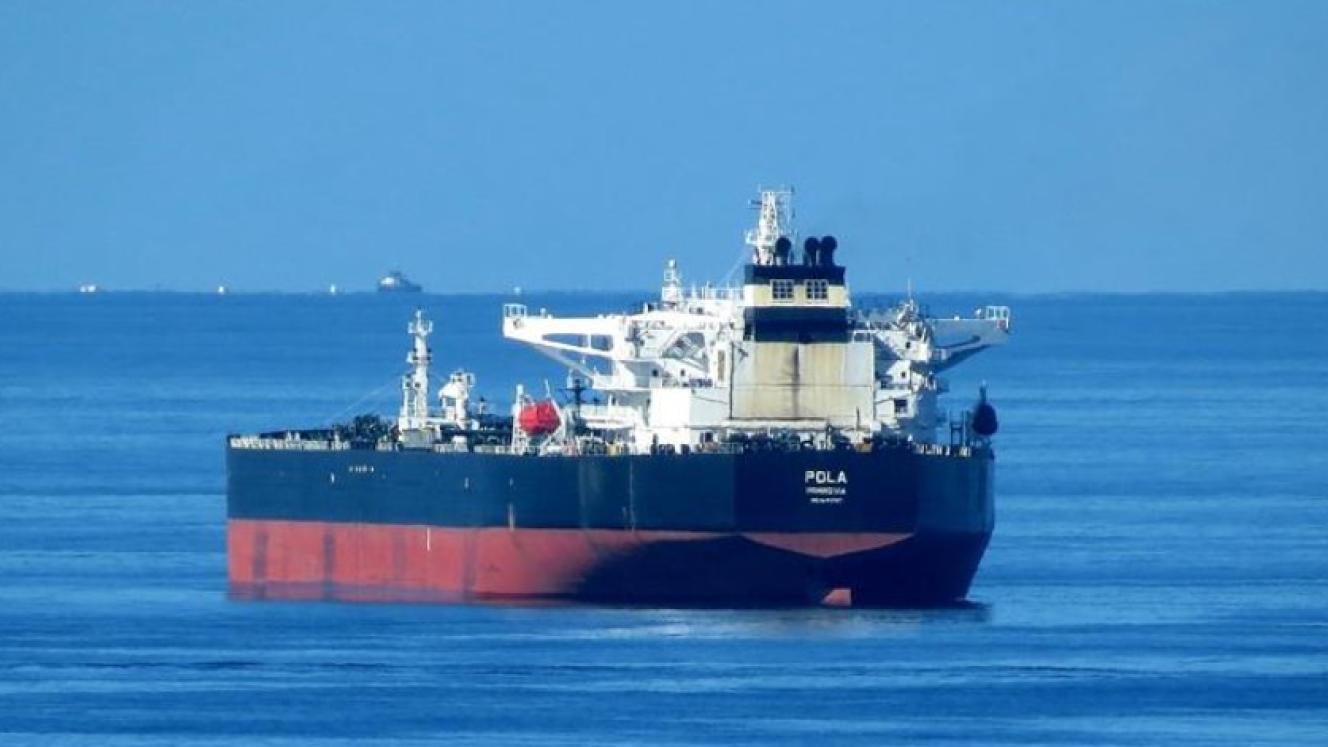
Earlier this week, after tanker and container vessels stopped sailing through the Strait of Hormuz and withdrew into safer waters off the coast of the UAE and Oman, the risk-taking owner of Dynacom Tankers sent a Suezmax carrier through the war-risk waterway.
Reuters reported that on Tuesday evening the Pola switched off its Automatic Identification System (AIS) and sailed through to Jebel Dhana, about 240 kilometres off Abu Dhabi, where it remains, according to maritime tracking.
Switching off AIS is a violation of the International Convention for the Safety of Life at Sea, a key treaty administered by the International Maritime Organization, and it remains to be seen what Prokopiou’s decision will be once the vessel is done loading cargo at the Abu Dhabi National Oil Company.
According to Richard Meade, editor-in-chief at Lloyd’s List, Prokopiou’s “maverick behaviour”, as some in the industry have described it, does not mean more vessel owners might be willing to follow suit – not by a long shot.
“That the vast majority of his competitors are baulking at the prospect of their crews and assets running the gauntlet of Iranian drone strikes as the casualty list grows by the day, illustrates the consensus view is more mindful of the dangers,” he writes in his Daily Briefing.
Despite President Donald Trump pledging US Navy support to keep oil supply through the Strait flowing, the overriding sentiment is risk avoidance at all costs.
Meade says: “At the beginning of the week, most traders expected disruptions to last days, not weeks. Those same sources are becoming more sceptical, not less, in the wake of Trump’s bid to reassure markets that energy will continue to flow.”
He said Sunday’s incident about 52 nautical miles off Oman’s Port Sultan Qaboos, when an Iranian drone boat loaded with explosives struck a tanker, the MKD VYOM, setting off an explosion and killing a crew member in the engine room, weighs far heavier than Prokopiou’s risk appetite.
“While US naval power boasts some of the most sophisticated defence technology in the world, Iran’s cheap but effective unmanned aerial and waterborne drones are more than capable of sinking tankers, even if the escort service is spun up quickly enough,” Meade says.
Prokopiou has said that the bold Pola move was a calculated decision and that he had risk cover in place, protection and indemnity (P&I) insurance that had since been terminated by most leading mutuals at midnight, March 5.
Even with cover in place, says Meade, sailing through the Strait is simply not an option at the moment.
With the oil price steadily heading north at above US$80 per barrel after hovering around $70 before the US and Israel started attacking Iran, the price response could have been worse if the Pola had been struck.
Meade adds that the current disruption will likely only last days, not weeks, because of the impact stopped supply through the waterway has on the oil market.
“Once days extend to more than a week it will push $100, and if that extends to months the $120 prices will prompt a rethink of energy supply chains that will have a lasting effect across markets.”