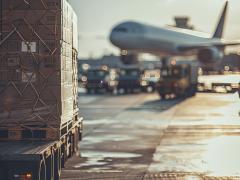
Lightweight nets used to secure cargo shipments on pallets are helping airlines to reduce weight and ultimately cargo emissions.
Virgin Atlantic Cargo is to start using lightweight Dyneema® air cargo nets as part of its contribution towards the airline’s target of reducing aircraft CO2 emissions by 30% by 2020.
The airline has initially ordered 600 of the nets, which at nine kilos each represent a four kilos saving on the weight of a traditional cargo net. They are also designed to be highly durable and have a five-year operating life compared to an average 2-3 years for conventional nets.
Virgin Atlantic Cargo has already invested in more than 1 100 lightweight LD3 containers as part of a programme to phase out 3 200 heavier air cargo units. The new containers are 16 kilos lighter than the old LD3s they have replaced. Every extra gram of weight onboard an aircraft means more fuel use and more emissions. Replacing old, heavier cargo bins and pallets with lighter ones will save around 2 000 tonnes in CO2 emissions.
Lightweight nets reduce weight and ultimately cargo emissions
Comments | 0
© Now Media. This content is protected by copyright and may not be adapted or republished. If you would like to discuss cooperation opportunities, please contact: editor@freightnews.co.za.