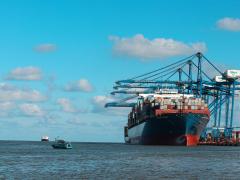
The global shipping industry is increasingly preparing for a prolonged period of disruption in the Strait of Hormuz rather than a swift return to normal operations, according to maritime security and intelligence experts.
Speaking during a Lloyd's List webinar on Thursday, editor-in-chief Richard Meade said the collapse of the ceasefire and continued instability between the US and Iran meant the industry needed to adjust its expectations.
"What if we're entering a long, messy period of instability that becomes the new normal?" Meade said.
He added that shipping companies were increasingly adapting to sustained reductions in traffic through the strategic waterway rather than waiting for a diplomatic breakthrough that would restore normal trading conditions.
The assessment comes as vessel movements through the strait continue to decline. Lloyd's List Intelligence reported that transits had fallen by 24% week on week, from 218 vessels to 164, with the decline driven largely by a sharp reduction in non-Iranian inbound traffic. Preliminary data indicates that only around six non-Iranian cargo vessels exceeding 10 000 deadweight tonnes are currently transiting the strait each day, with most operating "dark" by switching off their Automatic Identification System (AIS) transponders.
Maritime Intelligence and Research Director Bridget Diakun said the worsening security environment had also made it increasingly difficult to monitor vessel movements, with the number of mainstream tankers operating without AIS signals for more than 72 hours rising from 35 on July 1 to nearly 70.
"This includes vessels operated by ADNOC, Sinokor and several Greek companies," Diakun said. She added that the rise in dark activity was making it increasingly difficult to track cargo movements into and out of the Gulf.
Greek maritime risk management company Marisks' chief executive Dimitris Maniatis said shipowners and crews were now more reluctant than at any previous stage of the conflict to transit the waterway.
"We've gone back to the worst-case scenario," he said.
"Crews are even more concerned than they were before. It's no longer about money – fear is now driving decision-making."
He added that charterers were continuing to seek vessels, but many owners were declining to undertake Hormuz transits because of the heightened risks.
Looking ahead, Meade warned that periods of reopening were likely to remain temporary, with disruption continuing to influence global energy markets.
He said analysts were already considering scenarios in which Brent crude would remain above $80 a barrel for an extended period, with more severe outcomes potentially pushing prices to $130 a barrel and weighing on global economic growth.