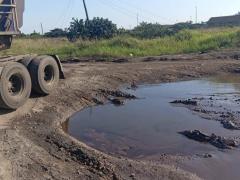
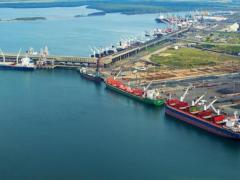
South African service providers are well positioned to handle the ever-increasing project activity beyond the country’s borders but will have to remain price-competitive and offer real value, says Colin Atkins, managing director of World Cargo Services. That means understanding each country’s internal challenges – from congested ports and damaged roads to bureaucracy and corruption, with every challenge amplified 10-fold in complexity and the words “only in Africa” well understood when one moves beyond South Africa. While most of the big players in the industry have substantial infrastructure and capital investment in Africa, that needs to be recovered. Most freight forwarders rely on vital tested relations built up over time with local agents in these countries, says Atkins. “These joint ventures are the key to successful understanding of local conditions.” With a 20-year track record and roots in South Africa, World Cargo Services – through its overseas principals – has been involved with the import of project cargo into southern Africa as well as with cargo originating from SA and moving into East and West Africa across various industries including mining, petrochemical and energy. “We have some serious challenges to address when we look on the South African imports side,” said Atkins. “The question of which KZN port to use remains a continual challenge, with authorities now favouring Durban over Richards Bay. This is despite the fact that large +100-ton items cannot be handled through Durban. It is easy to say “get your supplier to break down the cargo to smaller units” – but this just doesn’t work for items like transformers and frankly it is too late once a project forwarder is asked to tender, to change items designed years before.” According to Atkins, there are also serious issues for project cargo destined for Mpumulanga or Limpopo. “The route up from Richards Bay remains a challenge as the road has now been under construction for over ten years and the road is required to carry a lot of abnormal cargo. Transporters have become accustomed to the route and seem to cope, though travellers try to avoid it at all costs.” He said having recently used the Saldanha Port for a large project in the North Western Cape only good things can be said. “Maybe because they are not so busy, but we can only encourage where possible that this port be used for project freight charters and sub charters. Space is plentiful, lay down areas are adequate and staff are extremely helpful. Ships’ gear is however normally required for unloading a vessel direct onto transport.” Whether one uses, Saldanha, Ngqura or Richards Bay, it seems all large project cargo is destined inland and must go over mountain passes, which always create challenges to vehicles and traffic officials. The message is clear, said Atkins: “Use a professional to do the route survey, consult with Sanral and permit offices well in advance, and double your travel time – getting traffic escorts can be quite a challenge”. He believes the key to successful handling of project cargo is knowing and understanding one’s client’s needs and requirements and planning all phases well in advance along a stringent time line of responsibilities. “We at WCS do not price down to get projects, often keenly tendered for, but try to look objectively at each project to find a different or better way of handling the cargo, reducing risks and the potential of either our clients or ourselves incurring penalties,” he said.
‘It’s not about price – but reducing risks and penalties’
Comments | 0
© Now Media. This content is protected by copyright and may not be adapted or republished. If you would like to discuss cooperation opportunities, please contact: editor@freightnews.co.za.