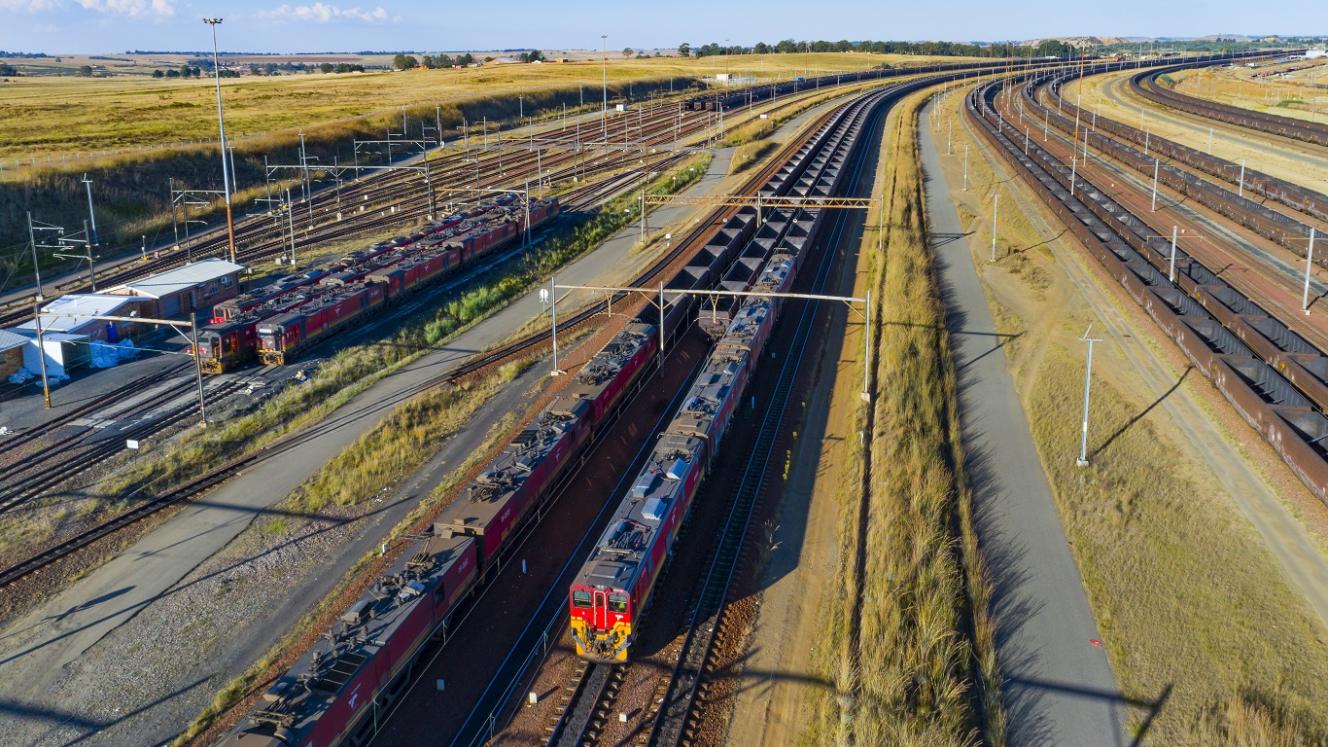
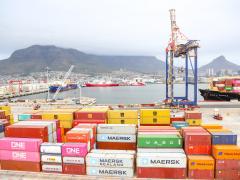
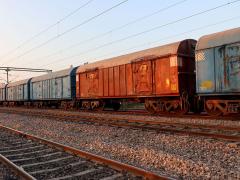
There is no denying that when based on full cost accounting calculations for each mode, including energy resource consumption and other transport cost externalities, rail has a financial and environmental advantage over road. But, says Allen Jorgensen of the Railroad Association of South Africa, only once the total transport costs have been fully investigated in South Africa will the country be able to make informed infrastructure investment decisions that benefit all. “Currently we are relying on studies done in other countries and unless we take an in-depth look at our own country we will never be certain what the real cost of transportation is.” While Jorgensen is a keen lobbyist for rail, there is no denying that road transport is fast and flexible, he says. “There are many ‘hidden costs’, which can place one transport mode at a disadvantage when competing with another mode. This can affect decisions regarding infrastructure investments and the environment.” Taking international studies into account it has been found that when transportation cost externalities such as space usage, accident and congestion costs, pollution, noise and traffic policing costs are calculated and considered, road transport costs would increase by 26-31%, while rail, by comparison, would increase by about 5%. “If infrastructure provision and maintenance costs per net tonne-km were included road freight costs would increase by over 50%,” says Jorgensen in a paper on transport, energy and the environment. He believes it is important to put both the rail and road modes on the same level of infrastructure responsibility and then develop an effective intermodal solution taking advantage of the strengths of each mode.
Intermodal is the way to go, says rail specialist
Comments | 0
© Now Media. This content is protected by copyright and may not be adapted or republished. If you would like to discuss cooperation opportunities, please contact: editor@freightnews.co.za.