Underinvestment in transportation infrastructure is a key factor holding back full implementation of the AfCFTA, according to the World Economic Forum June 2026 Insight Report.
The African Union Development Agency – New Partnership for Africa’s Development (AUDA–NEPAD) estimates that while annual investment needs are between $130 and $170 billion, only $80bn is invested, of which 40% comes from African governments, 35% from donors and 25% from the private sector.
The continent’s investment needs are especially large for cost-effective types of infrastructure, such as roads (32% of the total), railways (24%), fibre-optic cables (23%) and solar power (17%), according to the Organisation for Economic Development (OECD).
It says in a report that “better transport, digital and energy infrastructure would improve Africa’s value chain integration and productivity. Strengthening infrastructure within and between cities is key for productive transformation and narrowing rural-urban divides. Infrastructure maintenance remains important, making up 42% of the total investment needs”.
The OECD estimates African countries need to invest $2.48 trillion up to 2040 to develop their infrastructure to the level comparable to peer countries in other regions.
Achieving such investment levels could boost growth by 4.5 percentage points per year.
One of the flagship continent-wide projects is the Cairo–Cape Town Highway or TAH-4, which is well advanced in parts, a dream of Cecil John Rhodes, which was revived in 1971 by the United Nations Economic Commission for Africa.
It runs for 10 200 kilometres through Egypt, Sudan, Ethiopia, Kenya, Tanzania, Zambia, Zimbabwe, Botswana and South Africa.
Most of the route already exists as national highways.
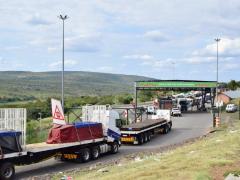
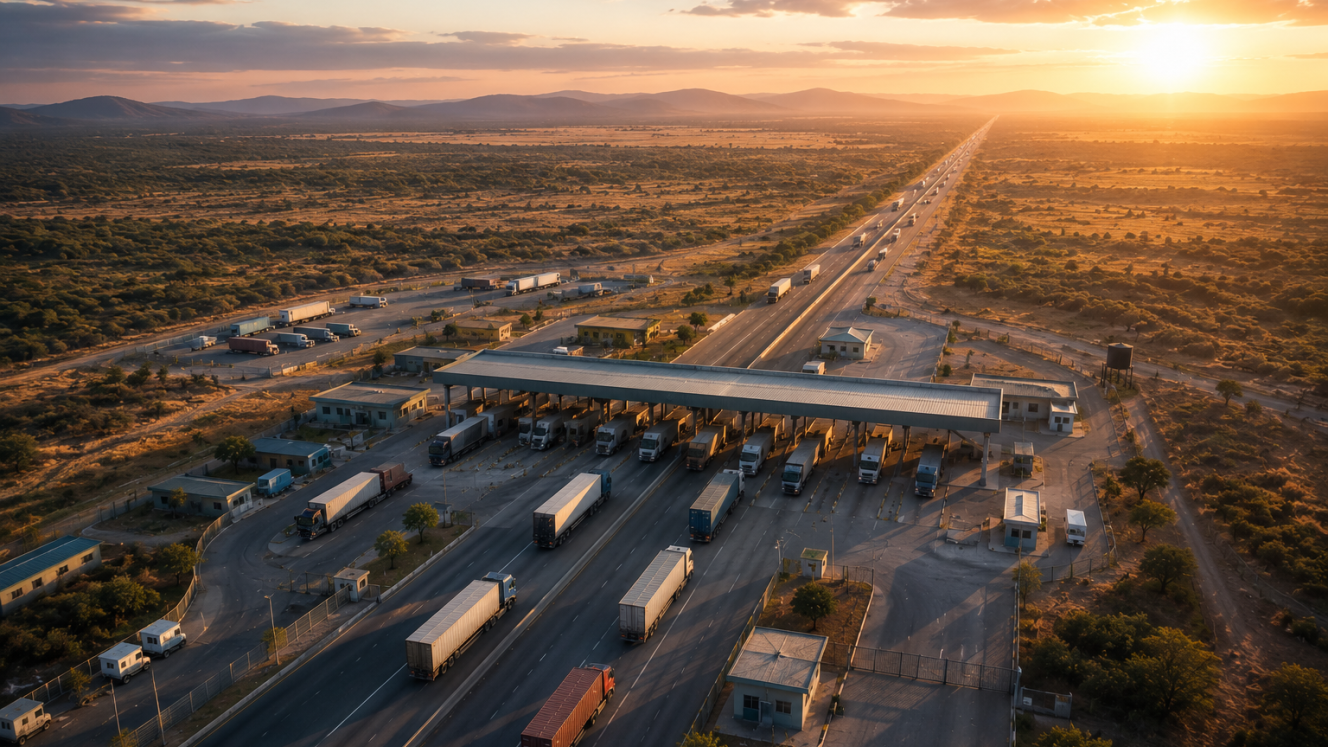
The challenge, therefore, is less about building an entirely new road and more about upgrading lower-quality sections, harmonising border procedures to speed up the movement of freight and addressing security concerns.
In late 2025, Egyptian transport officials announced that about 80% of the Cairo–Cape Town Highway corridor had been completed.
Egypt has finished its own 1 155 km section and is positioning itself as a major northern gateway for continental trade, according to the Egypt Business Directory.
East African links are largely in place, as are the southern African roads.
It is estimated that the project is 80% complete, with construction delays in Sudan, Zambia and Tanzania.
The ongoing conflict in Sudan is the biggest barrier to uninterrupted road transport along the corridor. Even where roads physically exist, security conditions prevent reliable through-traffic on parts of the route through the country.