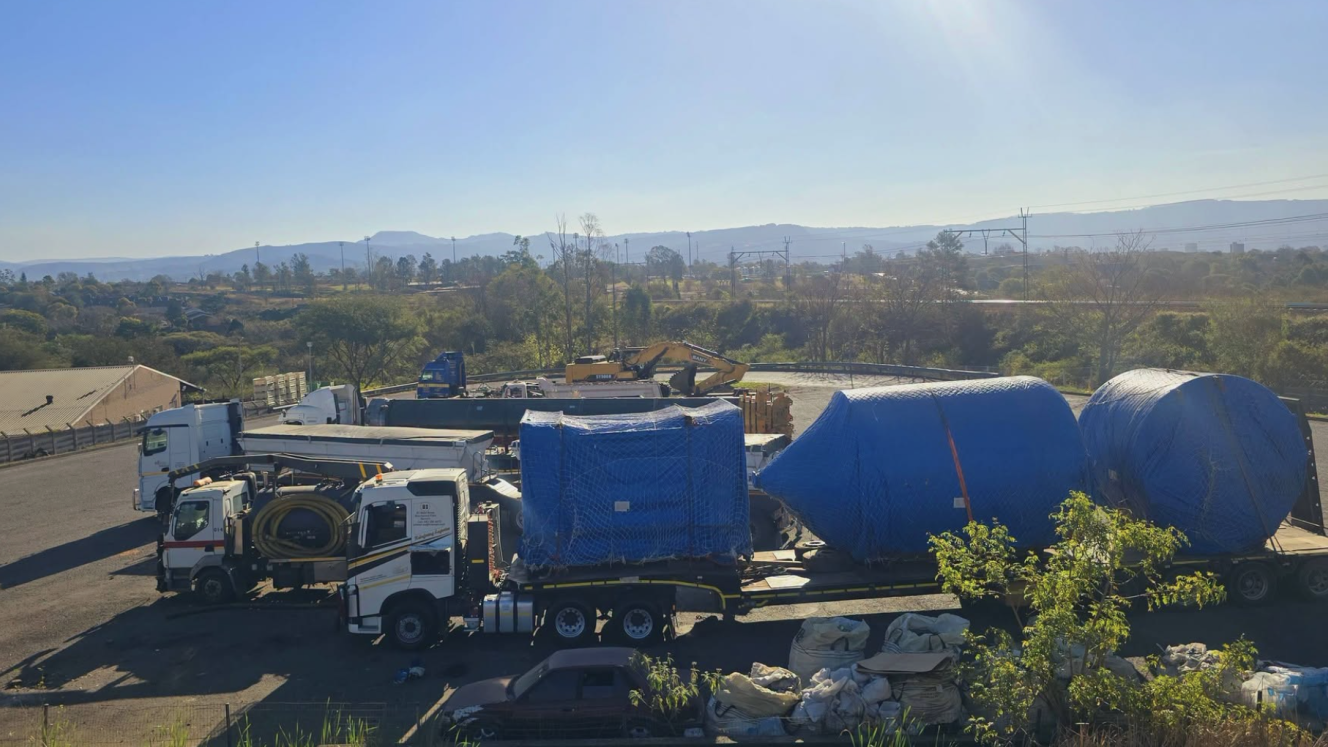
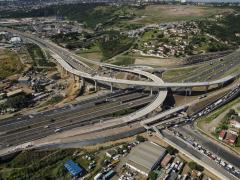
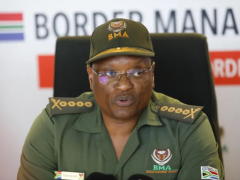
Ports and corridors are only as efficient as their systems and infrastructure allow them to be – and looking at Africa there is much work to be done. According to Kriba Naiken, managing director of Quattro Freight, ports and corridors do not work in isolation and neither do the systems and infrastructure. “Costs and improvements must happen in alignment with each other,” he said. “We must get to a place where there is collaboration in addressing the issues that are affecting inefficiency and cost. We must communicate more across the supply chain and be more persistent in demanding solutions.” According to Naiken, working together in addressing the issues would also go a long way to addressing bottlenecks at ports and border posts. Captain Salvatore Sarno, managing director of Mediterranean Shipping Company (MSC), says it is essential to work in a planned and systematic way to address congestion. “If one looks at a port, it is important to remember that infrastructure around it is just as important. Durban for example will benefit greatly by the substantial investments planned by Transnet, but the port has a major problem outside it. Getting into and out of the port affects operations just as much.” According to Sarno, it is about looking at problems holistically and finding solutions that way. “Vessels are getting bigger and bringing more cargo in at any given time. The neglect of infrastructure outside ports will have to be addressed otherwise one is just going back in terms of allowing more volume into the port,” he said. “If we are bringing in more cargoes it means we want to get more cargoes out of the port and therefore the access roads and the corridors must develop along with the ports.” He said investments must be made taking the big picture into account. “The port, the rail and road network, the capacity at border posts must all be taken into consideration.” According to Naiken, it is just as important to take maintenance of infrastructure into consideration. “Once we have the capacity we must be in a position to take care of it. Some 20 years ago we stopped investing in rail in South Africa because it became uncompetitive and there was a demand for road. Now we have a major problem on our hands as there is too much cargo on road and rail can’t take more because it does not have the capacity.” Barbara Mommen, chief executive officer of the Maputo Corridor Logistics Initiative (MCLI), believes the solution lies in long-term planning. “When it comes to projects we are often only looking at a shortterm solution. We deal with the immediate need never looking at the long term.” She says getting the right market information and planning and strategising for the future is what will bring ultimate change. “We need to look at funding a resource in an organisation such as ours that can map the logistics chain from beginning to end and start to look at trends – and see what happens in ten years’ time when the demand for coal, for example, in Mozambique suddenly goes down.” She said many companies entered Africa for specific projects, implementing short-term solutions to move their cargo, but that was not necessarily beneficial over the long term. “We must also start looking at regional solutions rather than just each country on its own. We are too protectionist at the moment and if we don’t start thinking regionally we are doomed.” CAPTION 1 Trucks wait patiently on Bayhead Road ... what good is a fluid port if cargo is delayed outside? CAPTION 2 Salvatore Sarno … ‘Access roads and the corridors must develop along with the ports.’
Holistic approach to infrastructure critical - Sarno
Comments | 0
© Now Media. This content is protected by copyright and may not be adapted or republished. If you would like to discuss cooperation opportunities, please contact: editor@freightnews.co.za.