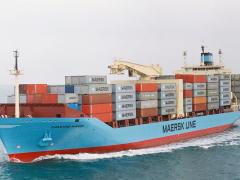
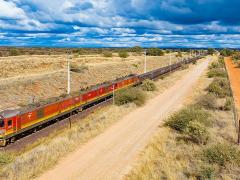
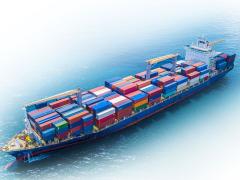
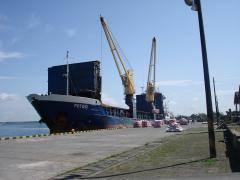
When you are assessing risk factors related to cargo movement you need to think like a lawyer, politician, sociologist, forwarder, transporter and more all rolled into one, according to Sue Wood, operations director of Cargocare Freight Services. “Much of the risk going forward is due to factors outside of our control,” she told FTW, “but the implications of these events have to be taken into account in your risk management.” In consultation with company MD Roland Raath, a list of major factors of the moment was compiled. “Some new risks are arising, like global climate change and piracy on the Horn of Africa,” said Wood. “In terms of climate change, you have to think about the last decade of weather, with things like tsunamis and higher sea levels and the risks these pose to vessels and ports. “And, apart from the hijacking of ships off the coast of Somalia and the entry to the Gulf, you also have the potential for piracy at congested African ports – where vessels are just sitting ducks. “Then there’s the issue of vessel ageing and safety standards not being adhered to. This, of course, has been heightened due to the global economic crisis.” But, while these are events on the global stage, Wood emphasised that risk factors also extended closer to home. “These local factors affecting us include SA Revenue Service (Sars) and other government decisions,” she said, “and issues arising from policy determinations by Transnet, the department of trade and industry (dti) and Eskom. “We would also have to add the local implications of decisions coming from the International Air Transport Association (Iata) and the SA Civil Aviation Authority (SACAA) affecting the global movement of air cargo to and from SA.” Wood believes that all these organisations are significant pressure points, and that any changes in their strategic direction or regulations can become a risk to the business. “You have to keep your ears to the ground to pick up on them, and respond effectively.” The Cargocare crystal ball is a bit cloudy this year, according to Wood. “I think that a big risk is going to be the difficulty of market prediction in 2010,” she added, “probably even more difficult than last year. “But the two biggies that should really be at the top of the list would be HIV and crime, and we’re addressing both actively.” The two company executives also agreed that another, much more complex risk for the freight forwarding industry would be supply chain integration. “That is the biggest risk, but its successful solution will offer the biggest reward.” A long-term, but real concern that deserves mention is the whole oceanfreight scenario, according to the two executives. They are convinced that global warming and supply chain developments will eventually pressurise international sea cargo movement downwards, according to Wood. “Meanwhile,” she added, “countries are building unnecessary extra port capacity – with a current global 40% underutilisation of existing facilities – and everbigger ships. “In this scenario, the lines are trying like crazy to reduce their overcapacity of smaller vessels that are coming to the end of their lives. This as they forecast that demand will keep dropping – and their 10-year projections are normally pretty accurate. “Anyway, that’s one that’ll come later rather than sooner – I hope.”
HIV and crime are key risk factors for the decade ahead
Comments | 0
© Now Media. This content is protected by copyright and may not be adapted or republished. If you would like to discuss cooperation opportunities, please contact: editor@freightnews.co.za.