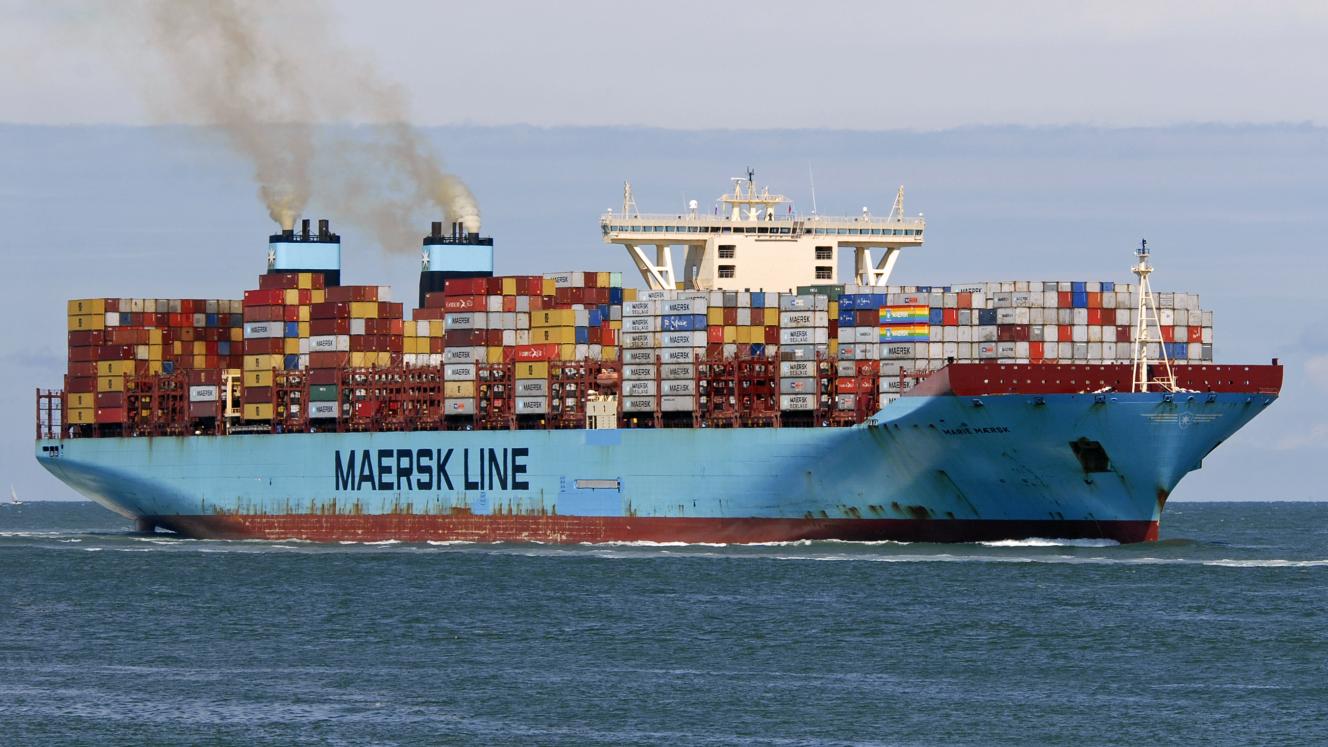
Imports remain widely misunderstood in the public debate around South Africa’s trade policy, according to Francois Fouche, research fellow at the Centre for African Management and Markets at GIBS, who argues that imports are not simply a threat to local industry but a fundamental part of economic growth. “Trade benefits an economy not because you get to send things away, but because you get to use those earnings to bring things in,” he said. “The imports are the economic benefits. The exports are the work that needs to be done to be able to afford them.” Speaking to Freight News, he said the persistent political framing of exports as a victory and imports as a threat to jobs obscured the role imports play in supporting downstream industries and consumers. “When the government imposes heavy tariffs to block cheap imports to protect a few local manufacturing jobs, it actually punishes the entire downstream economy,” he said. “Local businesses are forced to buy more expensive domestic inputs, which stifles their growth, hurts consumers and ultimately costs more jobs than the tariffs saved.” At the same time, shifts within South Africa’s food trade illustrate the complexity of the country’s import profile. While the country remains a major exporter of high-value agricultural products such as citrus and wine, it is increasingly reliant on imported staples, which, according to Fouche, has significant implications. “While South Africa is a net exporter of food overall, it is quietly becoming a net importer of foundational calories – like wheat, poultry and certain grains,” he said. “The growing reliance on imported food is increasing the country’s vulnerability to foreign markets. “While we export luxury crops to the wealthy world, we are increasingly importing the basic staples needed to feed our own population. This makes local food security hypersensitive to the rand-dollar exchange rate and global supply chain shocks.” Imports also play a central role in the country’s broader macroeconomic cycle. “If you’ve ever wondered why the South African economy seems to hit a brick wall every time it starts to gain a little momentum, allow me to point straight to the import bill,” he said. “We are, like many middle-income nations, trapped by a powerful balance of payments constraint that effectively aborts the growth process before it is able to deliver rising per capita incomes.” Because South Africa lacks sufficient domestic production of heavy machinery, technology and refined fuels, economic growth requires a surge in imports to support higher levels of activity. “Buying all those foreign goods drains foreign exchange reserves and weakens the rand,” he said. This, in turn, can trigger monetary tightening as policymakers attempt to control inflation, which can slow the very growth that initially drove the increase in imports. LV
Heavy tariffs punish industry’s downstream economy
Comments | 0
© Now Media. This content is protected by copyright and may not be adapted or republished. If you would like to discuss cooperation opportunities, please contact: editor@freightnews.co.za.