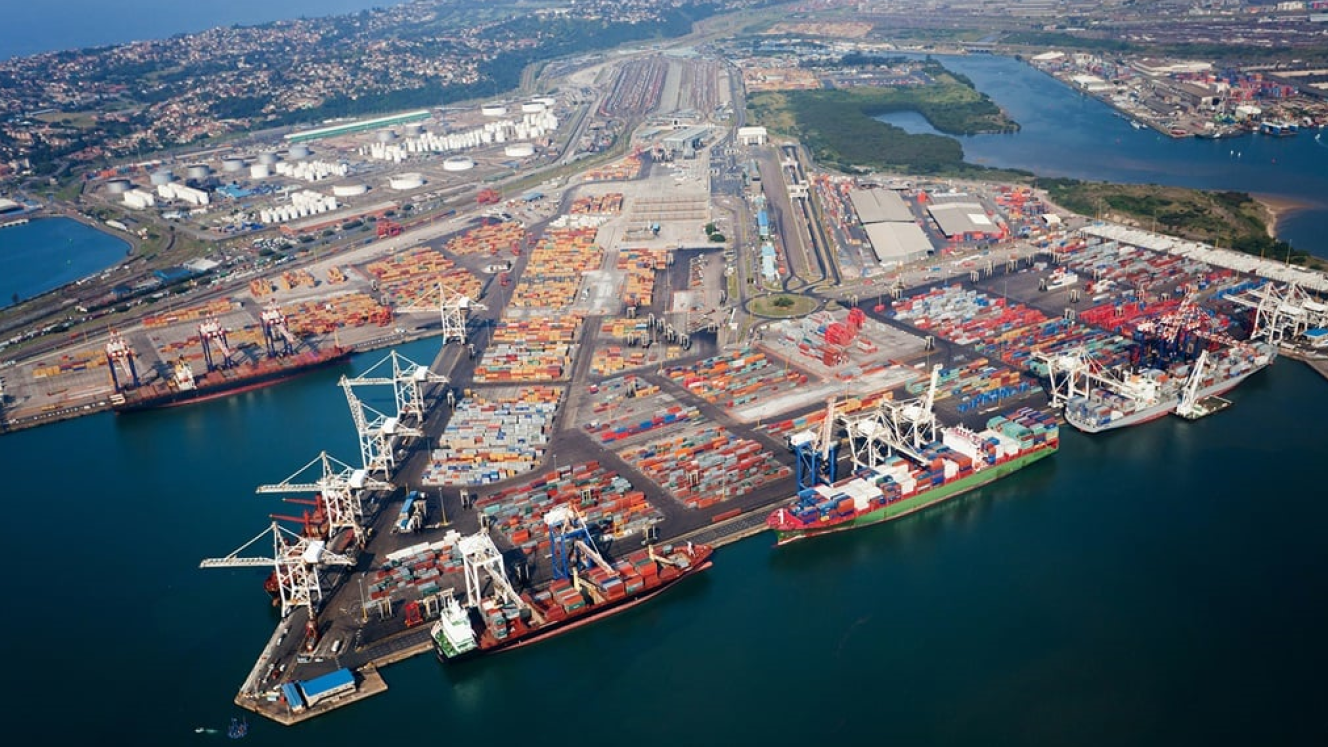
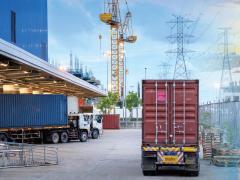
Proposed regulations banning trucks over 9 tons from all public roads during rush hour will not just have a drastic effect on the freight industry but will increase transport and logistics costs significantly, said Road Freight Association spokesman Gavin Kelly. Minister of Transport, Dipuo Peters, last week announced that new regulations restricting goods vehicles with a gross vehicle mass (GVM) exceeding 9000kg from operating on public roads between 6-9am as well as 5-8pm weekdays would be implemented by the end of the year. “The proposed legislation is ill-conceived and not clearly thought through and will damage logistics, raising costs and causing severe bottlenecks in the logistics chain,” he said. “Just as worrying is the fact that these comments around the introduction of regulations are being made without any public comment or industry input.” Already in their draft phase, it is believed the minister aims to have the regulations implemented by the end of the year. “It would seem irrespective of what anyone says these regulations are going to be introduced,” said Kelly, who confirmed the RFA was obtaining legal counsel on the matter. “We are also going to be engaging urgently with the Minister’s office in an effort to get clarity on several issues, including why the Minister is choosing to restrict freight on these specific days and at these proposed times. What is the basis for these restrictions?” Kelly said the Department of Transport would be asked to not only provide information supporting its proposal but also the research conducted to determine the effect these regulations would have on traffic flow, freight movement and scheduling, to name but a few. “This is not just affecting the trucking industry but a host of other sectors – retailing, manufacturing and warehousing will have to re-examine their operations because trucks have been taken out of operation for six hours a day,” he said. The restriction is also being applied for public roads across the country. “That means trucks are not moving on the N3 between Durban and Johannesburg during those hours. Does the truck now only leave the port at 9am en route to Johannesburg for example? Where does it go at 5am when it has not yet arrived at its final destination? Do the drivers park on the side of the road? What is the security risk of this and has it been determined? Who carries the cost of overtime of workers at depots, warehouses, retail outlets and the host of other industries affected, not to speak of the drivers?” he asked. “To make up the time lost during the day are we going to increase truck activity at night? Is that a safer option than the day in light of the fact that the reasoning for this regulation is less road carnage?” In a statement Peters said a spate of truck accidents and the increasing road carnage on South African roads had led to the initiative. While several accidents involving trucks have made headlines in the past few months, organisations such as the RFA are querying this saying there has hardly been a “spate” of accidents. Kelly says it is a misconception that trucks are responsible for road carnage. “In fact statistics on the N3 show that accidents involving trucks have decreased in recent months,” he said. The new regulations do not apply to fire-fighting vehicles, emergency medical response vehicles, rescue vehicles or ambulances. The DoT confirmed the regulations had not been published but said they were already in draft form and would soon be presented to Parliament before being published, like all other legislation and regulations, for public comment and discussion. INSERT & CAPTION Does the truck now only leave the port at 9am en route to Johannesburg? – Gavin Kelly
Hauliers slam truck ban plan
Comments | 0
© Now Media. This content is protected by copyright and may not be adapted or republished. If you would like to discuss cooperation opportunities, please contact: editor@freightnews.co.za.