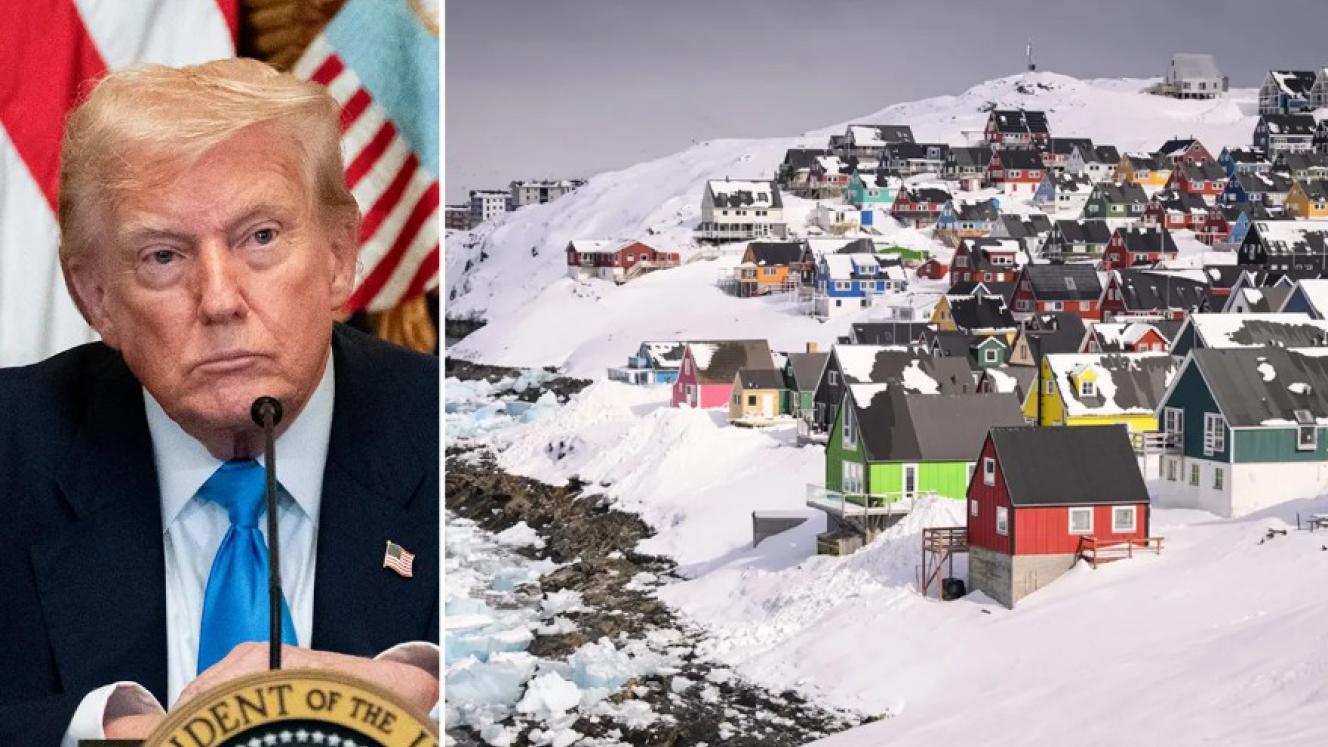
Trade tension involving leading European countries has been dialed down by US President Donald Trump’s announcement that he has cancelled penalty tariffs against Denmark, Sweden, France, Britain, the Netherlands and Finland.
The tariffs were initially announced over opposition to the US’s purchasing of Greenland, with penalties-on-goods escalating to 25% by June 1.
Earlier threats of force by the US if need be, were also replaced by a decidedly more conciliatory tone at the World Economic Forum in Davos on Tuesday, when Reuters reported Trump as saying military action “was not on the table”.
He subsequently also announced on his Truth Social platform a reversal of the tariffs, stressing that a “framework of a future deal” with NATO had been reached.
But ocean freight analyst Lars Jensen has cautioned that it should be kept in mind that the framework “is not a done deal”.
He said this was especially evident in Trump’s reference to the framework as a “solution – if consummated”.
Jensen, CEO of sea intelligence consultancy Vespucci Maritime, points out that “NATO General Secretary Mark Rutte confirmed there was a framework, but also said that the topic of sovereignty was not discussed”.
“Otherwise, he said nothing else.”
In other words, is it too soon to think the tension over Greenland and the possibility of trade deterioration between the US and North Atlantic allies has been quelled?
Most likely, Jensen argues.
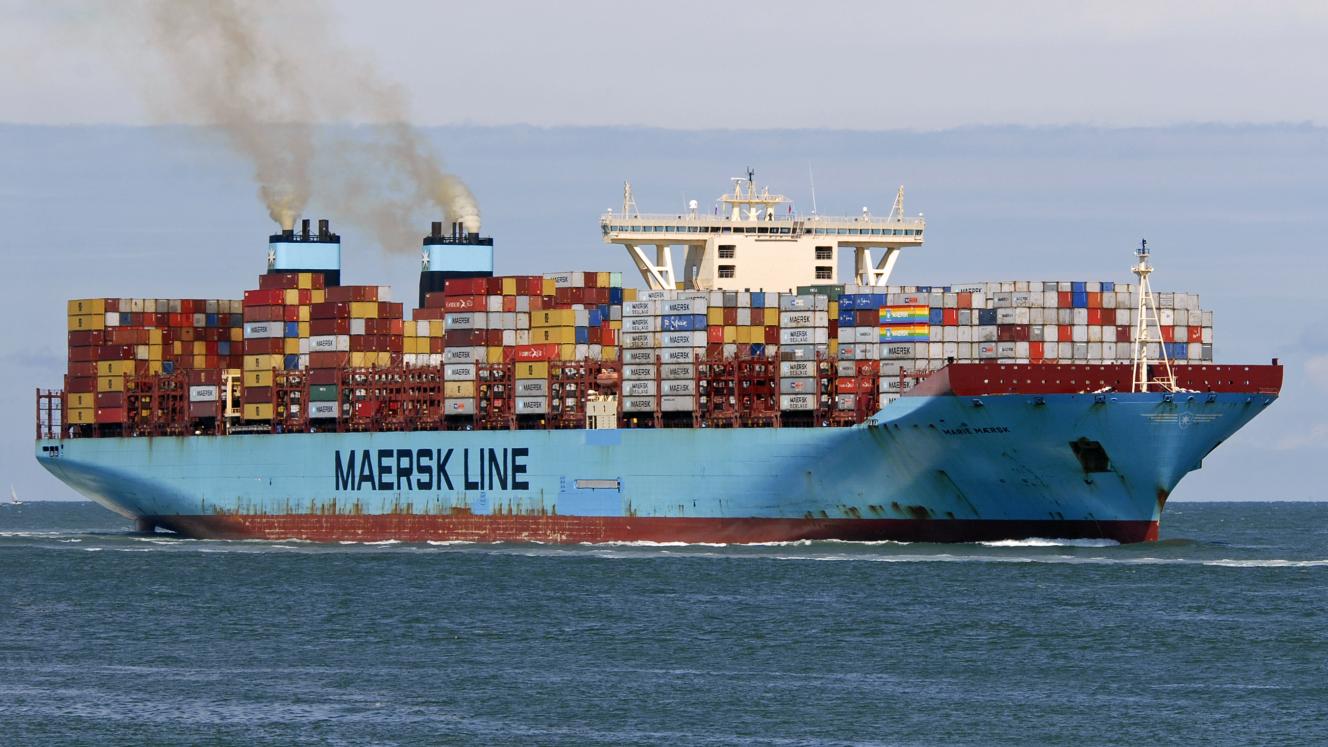
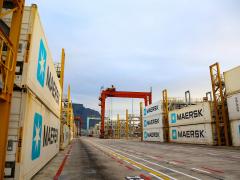
The uncertainty is particularly disconcerting for lines that share a combined TEU capacity of 420 000 containers on North Atlantic shipping – Maersk, MSC, CMA CGM and Hapag-Lloyd.
“The only details coming from Trump were that this (the framework) would include rare earth minerals, the Golden Dome” – the US’s Arctic missile defence system – “and that it would be valid indefinitely.”
Asked about ownership of Greenland, Trump deflected and stated that it was complex but would be explained at a later stage. Underpinning his concern about the lack of sufficient clarification, Jensen says: “There is no information from the Danish or Greenlandic governments apart from the Danish Foreign Minister noting that the process is moving to a negotiation with JD Vance (Vice President) and Marco Rubio (US Secretary of State) and that discussions in a meeting room are better than a fight on social media.”
Jensen adds that there is also no clarification on whether an EU zero tariff on a range of US goods is going ahead.
Similarly, a trade deal between the EU and the South American countries in Mercosur (Argentina, Brazil, Paraguay, Uruguay and Bolivia) which was just signed on Saturday, is at risk of being delayed substantially because of current developments.
Jensen says: “Clearly, the EU has now also stepped into the arena of making trade policy announcements very volatile and unpredictable.”