Delayed wheat tariff decisions, rising input costs and mounting logistics pressures are placing strain on South Africa’s grain sector amid volatile global trade conditions.
Speaking at the NAMPO Harvest Day 2026 held near Bothaville from May 12-15, Grain SA chairperson Richard Krige warned that producers were facing growing pressure from subsidised imports, weakening global wheat prices and infrastructure bottlenecks.
At the centre of the dispute is a June 2024 application submitted by Grain SA and the South African Cereals and Oilseeds Trade Association (Sacota) to the International Trade Administration Commission (ITAC). The application seeks amendments to the wheat tariff reference price and a faster, more transparent tariff publication process.
According to Krige, the application has now been pending for nearly two years while producers continue operating in an increasingly volatile market environment.
“The tariff system is not about protectionism,” Krige said. “It is about ensuring South African producers are not forced to compete against heavily subsidised imports without any effective local mechanism to offset those distortions.”
Delays were increasing uncertainty around production and investment decisions at a time of intensifying global trade tensions, export restrictions and supply-chain disruptions, Krige said.
South Africa remained structurally reliant on wheat imports because domestic production was insufficient to meet local demand, said agricultural economist Wandile Sihlobo. He expects South Africa’s 2025/26 wheat imports to reach 1,74 million tonnes, with current import volumes roughly half of the country’s annual wheat needs of 3,8 million tonnes.
Move more value
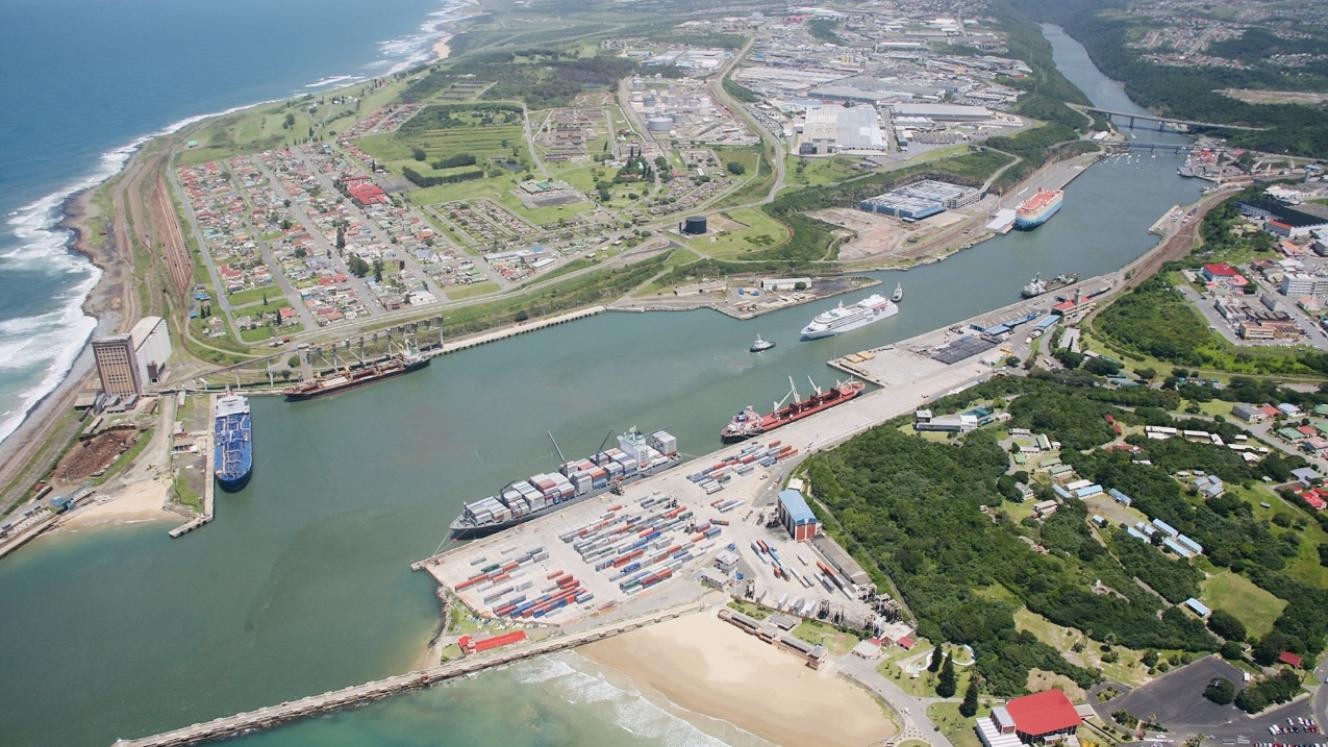
Krige linked the tariff dispute to broader concerns around export competitiveness and logistics performance. Improved rail and port efficiency remained critical as producers attempted to move growing grain surpluses into international markets, he said.
He added that fertiliser and fuel now accounted for roughly 45% of production costs in many grain farming operations.
Krige also advocated for greater value addition within the agricultural value chain through Grain SA’s ‘grain on legs’ strategy, which focuses on expanding livestock, feed and protein industries rather than relying solely on bulk grain exports.
“When logistics systems are constrained, we must not only ask how to move more grain – we must ask how to move more value,” said Krige.